Understanding Anxious Attachment: Signs, Causes, and How to Heal
If you've ever loved someone deeply and still felt scared they'd leave, lost interest, or stopped caring, you may recognise yourself in anxious attachment. This guide covers what anxious attachment is, where it comes from, how it shows up in adulthood and in relationships, and the concrete steps that help it heal.
Anxious attachment meaning
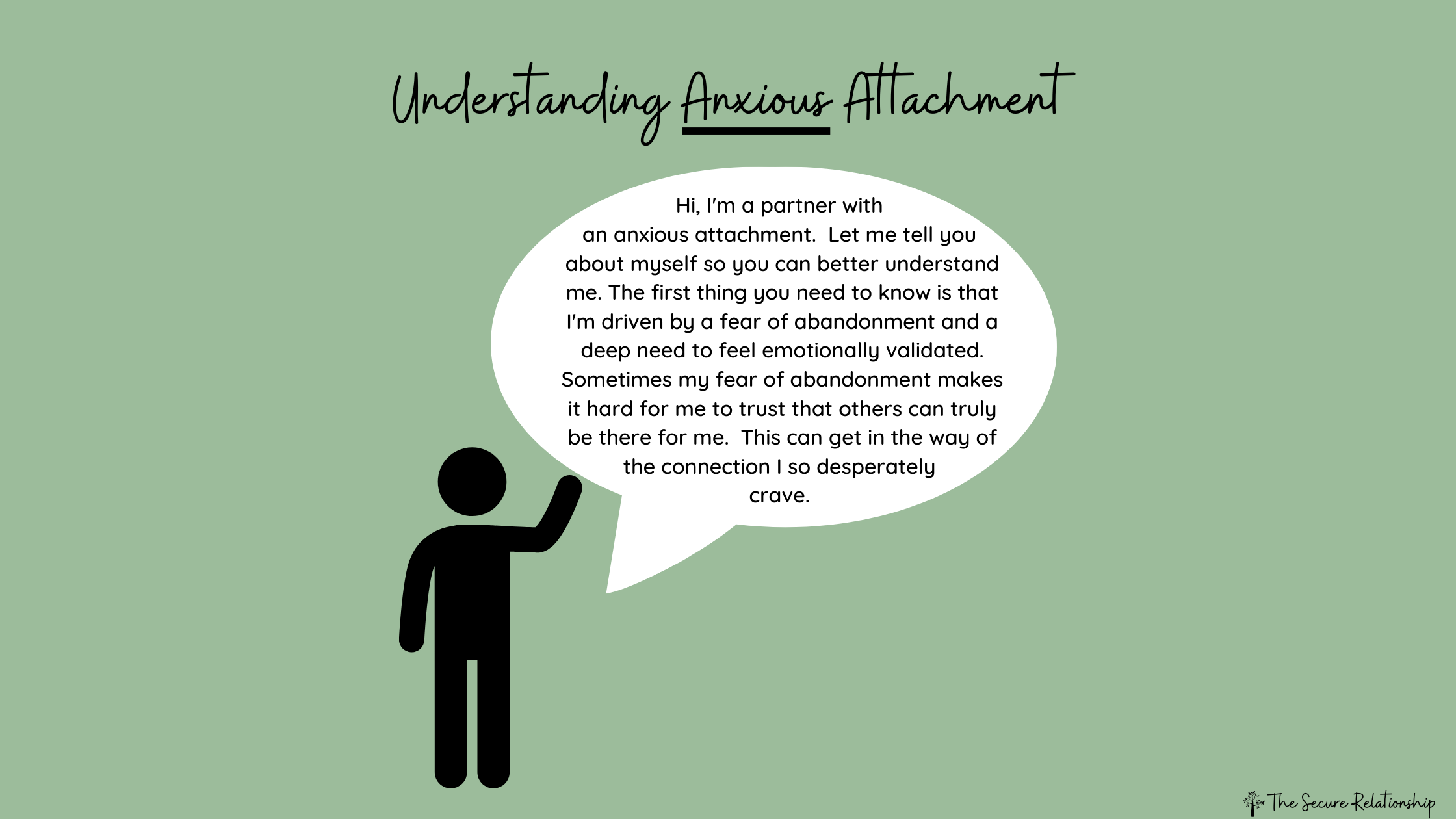
If you're searching "anxious attachment" or "anxious attachment style," here's the core of it: the nervous system often treats uncertainty as danger. You can love someone deeply and still feel afraid they'll leave or stop caring. When that fear spikes, you don't just think it, you feel it in your body.
That fear can show up as reassurance-seeking, sensitivity to small shifts in tone, or protest behaviours like blaming, pushing, or spiralling. Not because someone wants to create drama, but because they're trying to find safety. Anxious attachment is one of four attachment styles, and it sits alongside avoidant, disorganised, and secure.
How an anxious attachment style develops
Attachment styles are deeply influenced by how parents and caregivers respond to a child's emotional and connection needs. An anxious attachment style often forms when a child experiences inconsistent or unpredictable care, which leaves them unsure about their emotional safety.
Three things shape which style develops: how caregivers respond when a child seeks connection or affection, how they handle the child's distress, and what the child feels they must do to be accepted. For a child who becomes anxiously attached, the caregiving is usually unpredictable. Sometimes the caregiver is present and attuned, and other times distant or unresponsive, so the child never quite knows whether their needs will be met. That inconsistency leaves a child hyper-vigilant, and over time they learn that protest, demand, or heightened emotion is what gets them seen.
The role of invalidation
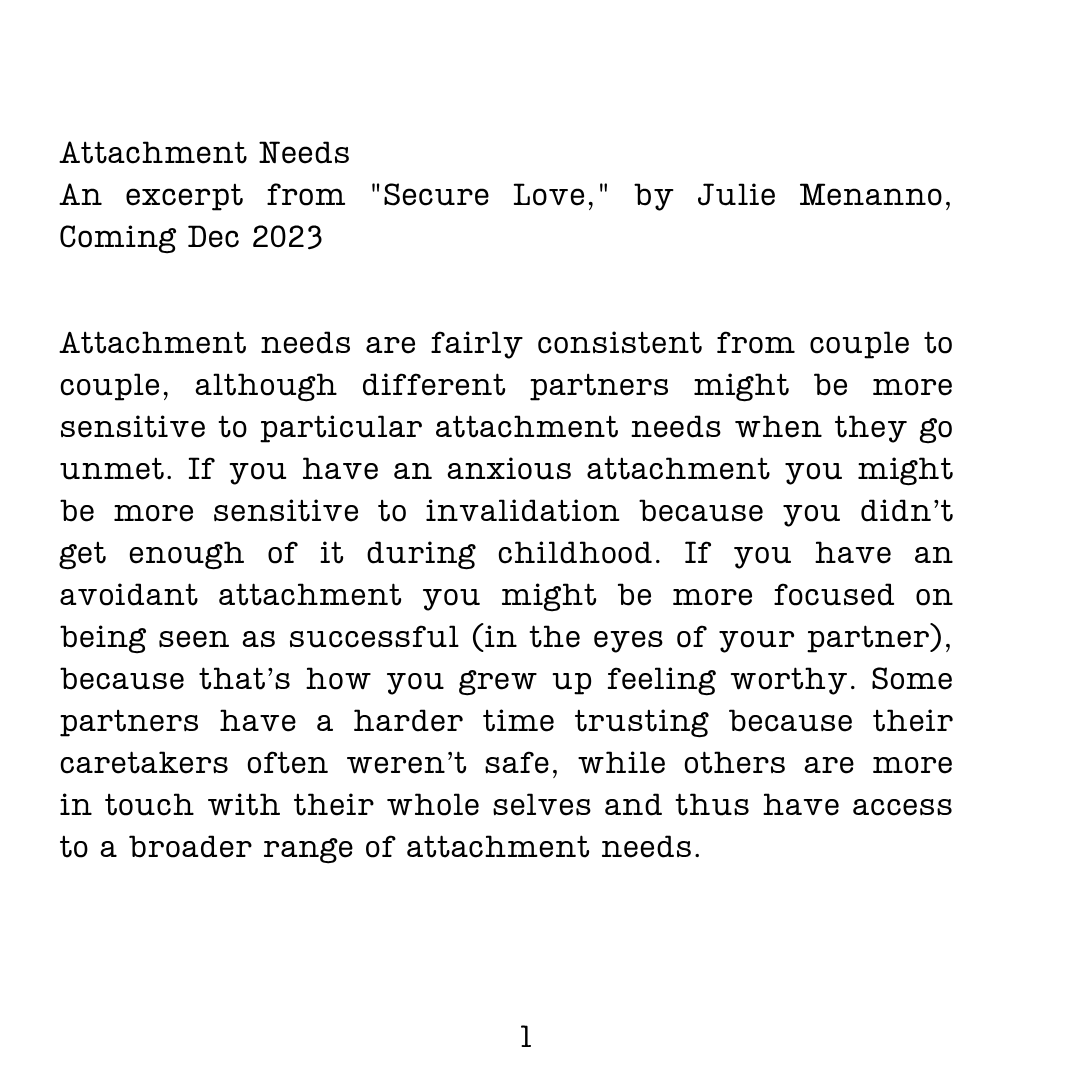
Repeated invalidation of a child's thoughts and feelings contributes significantly to anxious attachment. Messages like "you're being dramatic, it's all in your head," "you need to get over it," or "you're irrational" teach a child that their feelings are wrong or too much. That fuels a lifelong sense that they have to fight to have their emotions taken seriously.
The surprising role of over-protection
Over-protectiveness can feed anxious attachment too, even when caregivers mean well. A child who is constantly rescued from their own feelings can absorb the message that they're not competent to handle challenges alone, and that others must keep them happy because they can't manage on their own. This can look like distracting a child from their feelings instead of helping them process, centring family life entirely around the child, or avoiding ever saying no. Each one quietly denies the child the chance to build resilience.
One reassuring note for any parent reading this: caregivers don't need to be perfectly attuned all the time. Research suggests that getting it right around a third of the time is enough for secure attachment to form, as long as there's genuine repair after the moments of misattunement.
"Anxiously attached children got what they needed enough of the time to know what it felt like and to know what to fight for, but they could never rely on it to be consistently there." — Julie Menanno
How anxious attachment shows up in adulthood
Attachment styles reveal themselves most intensely where the emotional stakes are highest, which is usually romantic relationships. But anxious attachment shows up in the rest of adult life too: striving for a boss's approval at work, seeking constant reassurance in friendships, or staying over-involved in family to hold closeness in place.
Outer-focused behaviours. Adults with anxious attachment often try to manage their anxiety by controlling their environment rather than settling their own nervous system. That can look like trying to control other people's actions or feelings, or leaning on rigid schedules, people-pleasing, over-responsibility, and compulsive busyness. A degree of this is healthy. It becomes a problem when it's taken to an extreme or when it starts pushing the people they love away. The work is learning to steady what's actually within your control and release what isn't, which starts with nervous system regulation.
Compulsive caretaking. Taking on caretaker roles to feel needed is another common expression. It can come from real empathy, but it's also a quiet form of control, a way of managing your own sense of worth through how much you do for others, and it usually comes at the cost of your own self-care.
"Compulsive caretaking sacrifices self-care and usually leads to resentment, which makes it a form of control rather than support." — Julie Menanno
Sensitivity to rejection and criticism. Because the underlying need is to feel worthy and valuable, criticism, invalidation, and rejection land especially hard, and often trigger the controlling behaviours above.
A spectrum. Anxious attachment exists on a spectrum. At the milder end, the anxious patterns only surface under stress or with certain partners, often avoidant ones. At the far end, it can shade into disorganised attachment, where feelings run more intense and trust is harder to build.
How anxious attachment shows up in relationships
In a relationship, a few patterns tend to travel together.
Being outer-focused. Anxious partners often believe that if their partner's behaviour changed, everything would be fine. It's an understandable hope, but it skips over their own inner experience and their own role in the negative cycle, and it keeps blame and protest in the foreground where vulnerability needs to be.
Fear of abandonment. At the heart of it is a fear of being left, physically or emotionally. Because that fear is old, minor conflicts in the present can feel like genuine threats, which drives reactions that look far bigger than the moment seems to warrant. (More on where that fear comes from in fear of abandonment.)
Reactive communication. That fear often comes out as escalation, defensiveness, grudge-holding, or rigid protest. Anxious partners may know in theory how to name a feeling, but in the moment, when they expect rejection, it's genuinely hard to do.
People-pleasing. Working overtime to keep a partner happy can feel like the safe path, but it comes at the cost of honest, assertive communication about one's own needs.
Difficulty trusting good things. A history of inconsistency makes it hard to believe closeness will last, so anxious partners filter for the negative and brace for the drop, which keeps the worry alive.
Difficulty recognising an emotionally available partner. When emotional support was thin in childhood, it can be genuinely hard to recognise the real thing as an adult. The body senses something is off, but without the language to name it, anxious partners often overanalyse and swing between trying to fix themselves and trying to fix their partner.
From the inside: a letter from an anxious partner
Anxious attachment is easier to understand from the inside. Here's how it can feel, in an anxious partner's own words.
I'm deeply driven by a fear of abandonment and an intense need for emotional validation. I can love you and still feel scared you'll leave. I might find myself drawn to emotionally unavailable partners because it feels familiar, even when it hurts. When I do get the connection I want, I struggle to trust it, and sometimes I push it away. I can confuse my anger or sadness with vulnerability, when true vulnerability is the riskier thing underneath, admitting I'm scared I'm unlovable.
I don't always see how this lands on you. I might test your love looking for proof it isn't real. I crave reassurance but struggle to ask for it directly, and when I don't get it, the hurt is hard to voice. When I blame instead of asking, I know it can leave you feeling like you're never enough. That's the cycle I'm trying to step out of.
How to heal anxious attachment
Healing starts with small, intentional changes, not an overhaul. These are the shifts that make the biggest difference.
Notice and name the good. Start catching the moments your partner does show up, and let them know it landed. Try: "When you checked in with me earlier, I felt important to you. Thank you."
Practise true vulnerability. Reach for the fear underneath the protest instead of the blame on top. Instead of "you never care about me," try "I'm scared I don't matter to you right now, and I need some reassurance." If you want a skill to practise here, emotional attunement helps both partners slow down and connect.
Balance your feedback. Name what's working before you name what's hard. It's not about ignoring real problems, it's about making sure your partner hears the good as clearly as the difficult.
Communicate needs clearly. Share concerns from your own perspective rather than as a verdict on your partner's character. "I need us to work on connecting better" opens a door that "you never try" closes.
Break the negative cycle. The struggles are rarely one-sided. Naming the pattern as something you're both caught in, rather than something your partner is doing to you, is what makes change possible. This is the heart of the negative cycle, and it's the difference between "you versus me" and "us versus the pattern."
"When I can step back and express my needs without blame or protest, I open a door for genuine connection, and my partner and I grow closer rather than further apart." — Julie Menanno
How to deal with an anxious attachment partner
If you're here because you searched "how to deal with an anxious attachment partner," start with this: anxious behaviour usually gets worse when a partner feels alone, dismissed, or uncertain, and it settles when support is consistent, warm, and clear.
Offer validation, not a debate. Don't try to talk them out of the feeling. Try: "That makes sense," "I can see why you'd feel that way," "I'm here, you're not alone."
Add clarity where there's ambiguity. Anxious attachment struggles most with "I don't know where I stand." Try: "We're okay. I love you. I'm still here," or "I need a little time to think, and I'll come back at 7."
Follow through. The fastest way to calm attachment anxiety is the repeated experience of you saying something and then doing it.
Don't reinforce the anxiety. Disappearing mid-conflict, giving vague answers, or running hot and cold all feed the fear. Steadiness starves it.
Hold boundaries with warmth. Support and boundaries can coexist. A script that does both: "I want to stay connected, and I also need us to speak respectfully. If we keep escalating, I'll take a short break and come back to repair." If holding boundaries without escalating is the hard part, gentle boundaries is a good next read.
Not sure if this is you?
Understanding your pattern is the first step to changing it. Take the free Attachment Style Quiz to see whether you lean anxious, avoidant, disorganised, or secure. It takes about three minutes and was built by a licensed therapist.
Resources for healing anxious attachment
Anxious Attachment Self-Work Course – A self-paced path to calm attachment anxiety and build secure self-support.
Attachment 101 Course – Understand your style and how it shapes your relationships (includes the attachment style quiz).
Relationship Coaching – Work one-to-one with an attachment-trained coach.
Secure Love (the book) – Julie's bestseller on all four styles and how to heal insecure attachment.
The Secure Love Podcast – Hear Julie coach real couples through these exact patterns.
Frequently Asked Questions
-
Anxious attachment is an attachment pattern often shaped by inconsistency or invalidation, where the nervous system becomes highly sensitive to signs of disconnection and seeks reassurance and closeness to feel safe.
-
An anxious attachment style is the relationship strategy that forms around fear of abandonment and a strong need for emotional validation. It can show up as reassurance seeking, protest behaviors, or difficulty trusting love even when it’s present.
-
Lead with validation, be clear and consistent, follow through, and set gentle boundaries when needed. Avoid ambiguity, dismissal, or hot-and-cold reassurance.
-
Recognizing positives, practicing true vulnerability, balancing feedback, communicating needs clearly, and learning to name the negative cycle instead of blaming.
-
Yes. Attachment styles are learned patterns, not fixed traits, and they can move toward security over time with awareness and practice.
“When I can step back and express my needs without blame or protest, I open a door for genuine connection, allowing my partner and me to grow closer rather than further apart.”
Other Posts You Might Like: