
Life TransitionsYour Relationship Through Life's Big Transitions
A new baby, a loss, an empty nest, an illness, a career upheaval. Life's biggest changes put pressure on even the strongest relationships, often right when you have the least to give each other. Learn how to weather transition as a team, with attachment-based tools and support from therapist Julie Menanno.



National Bestselling Book
1.5M+ Followers

1M Podcast Downloads

Why do life transitions put strain on relationships?
Big transitions like a new baby, grief, or an empty nest overwhelm your usual coping and pull on your deepest attachment needs at the same time. Under that stress, partners often reach for their old protective patterns, one pursuing, one withdrawing, right when they most need to turn toward each other. The change isn't the problem; it's whether you face it as a team.
“Extenuating circumstances such as long-term illnesses, trauma, job loss, discrimination, problems with children, or addiction can exceed one or both partners’ coping mechanisms.”
Julie Menanno, Secure Love
Does this sound familiar?
You're managing the change side by side, but you feel further apart than ever.
You're both running on empty, and it's coming out as short answers and small fights.
One of you wants to talk it through. The other wants to get through the day.
The load feels uneven, and saying so out loud feels like starting something.
You keep waiting for things to settle before you deal with the relationship.
None of this means your relationship is failing. It means the change is bigger than the coping you had built for the life before it.


Relationship after a baby
Why a relationship gets harder after a baby
A new baby is one of the hardest transitions a couple faces. Sleep disappears, roles shift, and the invisible load often falls unevenly. Resentment and distance can build fast, not because love faded, but because you're both depleted.
Staying connected means naming the unfairness out loud and turning toward each other in the exhaustion, rather than waiting for a calmer season that keeps not arriving.
The changes couples feel most
The transitions that test couples most
Different events, the same underlying pattern: your coping is stretched thin and your attachment needs get louder at exactly the same moment.
Grief and loss
Relationship and grief
Grief can isolate partners even as it happens side by side, because everyone grieves differently. One may want to talk, the other to stay busy. Neither is wrong. Making room for both, without reading the difference as not caring, is how couples grieve together instead of apart.
The empty nest
Empty nest and marriage
When children leave, couples can find themselves facing each other across a quiet house, unsure who they are without the shared project of parenting. It's a chance to rediscover the relationship, but only if you turn toward it rather than away.
Illness, job loss, and other upheavals
Navigating change in a relationship
Any change that exceeds your coping can trigger the same pattern: stress pulls you into fight, flight, or freeze, and old attachment fears resurface. The skill is the same across all of them, facing the change as a team.
The work that changes things
How to navigate change together
Five moves that keep a transition from turning into distance. They work the same way whether the change is a birth, a loss, or a job.
1
Name what's changed, out loud
Unspoken pressure becomes resentment. Saying what is different, and what it costs each of you, keeps it from going underground.
2
Expect your patterns to resurface
Stress pulls you back to pursuing or withdrawing. Knowing your cycle means you can catch it early.
3
Regulate first
You can't support each other while flooded. Settle your body enough to stay in the room.
4
Turn toward, not away
The instinct under strain is to self-protect. Connection is the antidote, even in small moments.
5
Repair the ruptures transition causes
Hard seasons create misses. Coming back and repairing them is what keeps the bond intact.
Couples rarely get through a big transition without friction. What protects the relationship isn't avoiding the friction, it's returning to each other afterwards.
The through-line
The change isn't the problem
Every transition asks the same question of a couple: are we facing this together, or are we facing it alone next to each other? Life events will keep arriving, and you can't control most of them. What you can build is the ability to stay on the same side of the change, so the next one lands on a stronger bond than the last one did.
How we help
You don't have to weather it alone
Two steps, from free self-understanding to one-to-one support.

1
Understand your patterns
Take the free Attachment Style Quiz to see how you and your partner react under pressure, and why.

2
Get support
Work with an attachment-trained coach through the transition, individually or as a couple.
Why The Secure Relationship
Guidance you can trust
The Secure Relationship was founded by Julie Menanno, MA, LMFT, LCPC, a licensed couples therapist whose attachment- and EFT-informed work has reached millions of people looking to feel safe in love again.

Therapist-led and evidence-based
Attachment and Emotionally Focused Therapy at the core of every resource.
Support for every stage
Free resources, courses, groups, and one-to-one coaching.
A proven approach
The bestselling Secure Love, a 1.5M+ community, and 800K+ podcast downloads.

How do you and your partner react under pressure?
Take the free Attachment Style Quiz to understand your pattern and what to do about it. About three minutes.
What our community is saying
Real words from people who've used these tools to build more secure relationships.
-
Because big changes overwhelm your coping and pull on attachment needs at once, so partners fall back on old protective patterns right when they most need to turn toward each other.
-
Sleep loss, shifting roles, and an uneven invisible load deplete both partners, and resentment can build. It usually reflects exhaustion, not lost love.
-
By making room for the fact that people grieve differently, and not reading that difference as not caring.
-
Treat the empty nest as a chance to rediscover the relationship, turning toward each other rather than drifting apart.
Frequently asked questions
Posts about Life Transitions
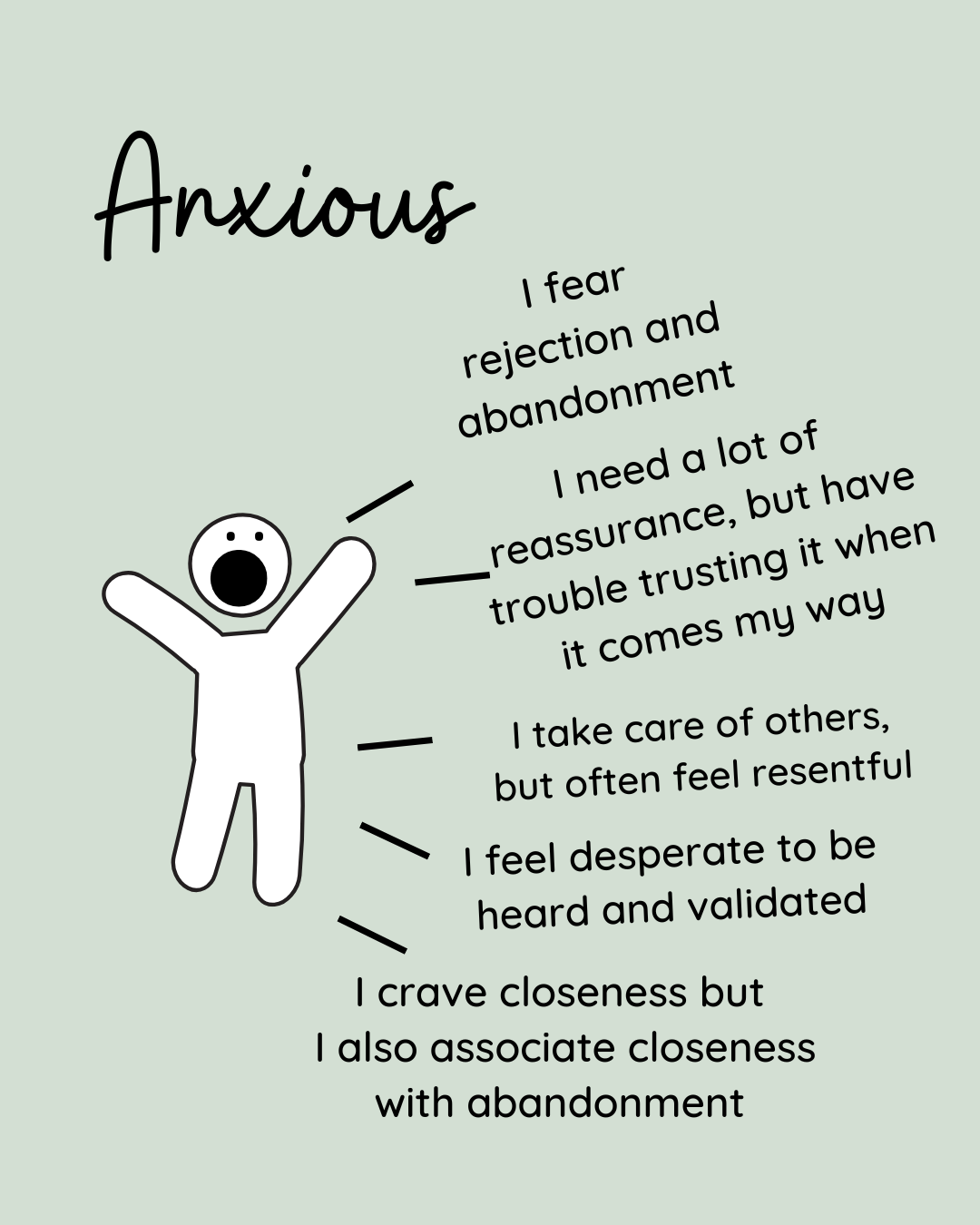
If you feel sensitive in relationships, scan for signs of disconnection, or spiral into protest and panic when you don’t feel close, this course is your starting point for healing. In this self-paced course, Julie Menanno guides you through the deeper emotional work required to stop self-abandoning and start showing up for your own needs, so connection can feel safe again. You’ll learn how anxious attachment develops, how it shows up in adult relationships, and how to build secure self-support,
Podcast Episodes
Book an Appointment
When life brings stress, change, or uncertainty, it can challenge even the strongest relationships. Work with one of our coaches to navigate life transitions with more steadiness, connection, and support as a team.
Hard conversations in relationships can be challenging, but with emotional regulation, empathy, and clear communication, you can create a foundation of safety and teamwork for problem-solving.