
Communication & ConnectionCommunication in Relationships
Most communication problems are not about the words. They are about what is happening underneath, in the cycle between you. Learn why communication breaks down and how to reach each other again, with attachment-based tools, courses, and coaching from therapist Julie Menanno.


National Bestselling Book
1.5M+ Followers

1M Podcast Downloads

Why is communication so hard in relationships?
Communication breaks down in relationships when partners feel emotionally unsafe. Under stress, one partner tends to pursue and protest while the other withdraws and shuts down, and the real message gets lost in the cycle. Better communication is not about better scripts. It comes from understanding the attachment needs underneath the conflict, then learning to express them so your partner can actually hear you.
“No matter how bad your negative communication cycles might feel, there is hope.”
Julie Menanno, Secure Love
Sound familiar?
Does this sound familiar?
Every conversation turns into the same argument.
You try to talk, and they shut down or walk away.
You say what you need, and it comes out as criticism.
One of you pushes to resolve it, the other needs space.
You’ve stopped bringing things up at all, because what’s the point.
These are communication problems in relationships, and they are almost always a symptom of the cycle underneath, not a lack of communication skills.

Communication problems in relationships
Why communication breaks down
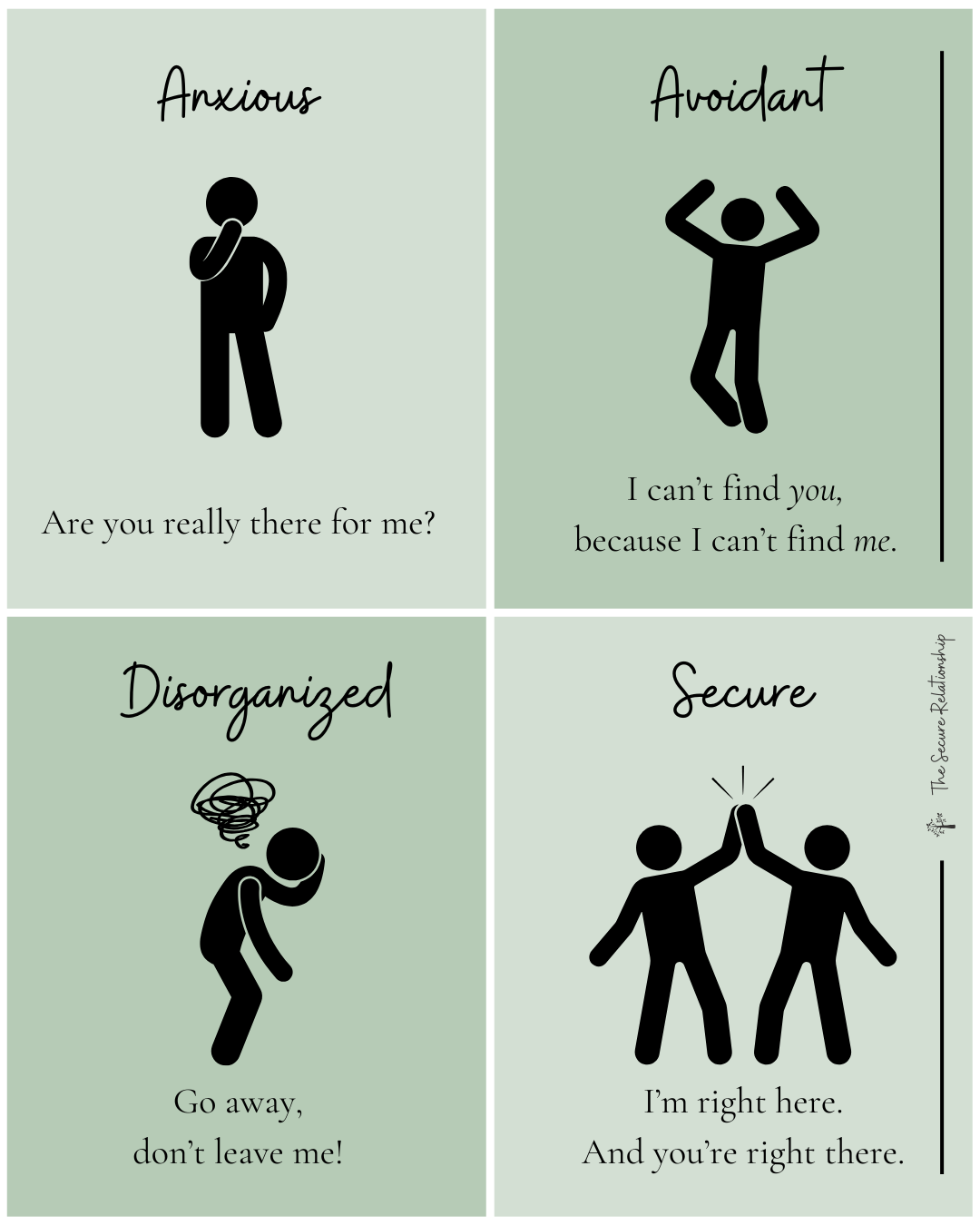
When you feel emotionally unsafe with your partner, your nervous system takes over before your words do. Anxious partners tend to escalate: pursuing, protesting, criticising, trying to get a response. Avoidant partners tend to withdraw: shutting down, going quiet, needing distance to feel safe.
The pursue move
Anxious partners escalate
They pursue, protest, criticise, and reach harder, trying to get a response and close the distance.
The withdraw move
Avoidant partners withdraw
They shut down, go quiet, and need distance to feel safe, pulling back from the intensity.
Neither is trying to hurt the other. Both are trying to feel safe. But the strategies collide, and the message you meant to send is not the one your partner receives. This is the negative cycle, and it is the real cause of most communication problems.

Healthy communication in relationships
What healthy communication actually looks like
Healthy communication in relationships is not about never arguing or always saying the right thing. It looks like:
Naming what you feel and need, instead of what your partner did wrong.
Listening to understand rather than to defend.
Staying regulated enough to stay in the room.
Repairing quickly when it goes badly.
Making it safe for your partner to be honest with you.

How to communicate better with your partner
Small shifts change everything:
Lead with the softer feeling. Underneath anger is usually hurt, fear, or loneliness. Say that instead.
Use "I feel… I need…" instead of "you always…" Blame invites defence; vulnerability invites connection.
Name the cycle, not the person. "We're doing the thing again" beats "you're doing it again."
Slow down. If you're flooded, pause and come back. Regulate before you relate.
Reflect back what you heard before you respond to it.
Ask for repair. "That landed badly, can we try again?" is a complete sentence.
Communication exercises for couples
Communication exercises for couples
Try these together, when you’re both calm rather than mid-conflict:
1
The daily check-in
Ten minutes, no phones: how are you, really?
2
Reflective listening
One speaks, one reflects back what they heard before replying. Then swap.
3
Name your cycle
Each of you describes your move in the pattern (“I chase,” “I go quiet”) and what you’re feeling underneath it.
4
The repair conversation
Revisit a recent argument, not to relitigate it, but to say what you each needed and didn’t get.
5
Appreciation practice
One specific thing you valued in your partner today.
Best practised when you’re both calm — not mid-conflict.
How we help you communicate better
You can learn to reach each other again

1
Understand your patterns
Take the Attachment Style Quiz to see how you communicate under stress.

2
Learn the framework
Attachment 101 explains why your conversations go the way they do, with concrete tools.

3
Work with a coach
Work with an attachment-trained coach on your specific dynamic.

Why The Secure Relationship
Grounded in real clinical practice
Therapist-led and evidence-based
Founded by Julie Menanno, MA, LMFT, LCPC, a licensed couples therapist. Attachment and EFT-informed.
Support for every stage
Free resources, courses, groups, and one-to-one coaching.
A proven approach
The bestseller Secure Love, a 1.5M+ community, and 1M+ podcast downloads.
Free · 3 minutesHow do you communicate under stress?
Take the free Attachment Style Quiz to understand your pattern and what your partner is really hearing. About three minutes.
What our community is saying
Real words from people who've used these tools to build more secure relationships.
Work with us
Ready to change how you talk to each other?
Attachment 101
$39
From mystery to mastery
Includes the Attachment Style Quiz, an hour of expert-led video, and printable exercises.
1:1 & group coaching
Coaching that fits your dynamic
Work with an attachment-trained coach, or explore group programs.
-
Because when you feel emotionally unsafe, your nervous system reacts before your words do. One partner pursues, the other withdraws, and the real message gets lost in the cycle.
-
Lead with the softer feeling underneath your anger, use "I feel / I need" instead of blame, name the cycle rather than the person, and pause when you're flooded.
-
Usually an underlying negative cycle driven by attachment needs, not a lack of communication skills.
-
A daily check-in, reflective listening, naming your cycle together, repair conversations, and an appreciation practice.
-
Slow down, lower the intensity, and make it safe. Avoidant partners withdraw when they feel criticised or flooded, so leading with vulnerability rather than blame helps them stay present.
Frequently asked questions
Posts about Communication


This course is for anyone who’s ever wondered why their relationships feel stuck, why certain emotions keep showing up, or how to build stronger, healthier connections. Whether you’re figuring things out on your own and want to better understand yourself or you're wanting to deepen your bond with a partner this course will help you.
Podcast Episodes
Book an Appointment
When communication breaks down, even simple conversations can feel loaded. Work with one of our coaches to strengthen communication, reduce misunderstandings, and learn how to reach each other more clearly and effectively.
Fear of abandonment makes small distance feel like loss. What it is, where it comes from, how it shows up in anxious and avoidant partners, and how to work with it.