
Topic · IntimacyEmotional Intimacy in Relationships
Emotional intimacy is what makes a relationship feel safe, close, and secure. Learn why it fades, what a lack of intimacy really means, and how to rebuild deep emotional connection, with attachment-based tools, courses, and coaching from therapist Julie Menanno.


National Bestselling Book
1.5M+ Followers

800K Podcast Downloads

What is emotional intimacy?
Emotional intimacy is the sense of feeling safe, seen, and deeply connected to your partner. It is built through vulnerability, empathy, and consistent emotional responsiveness, being able to share your inner world and trust it will be met with care. When emotional intimacy fades, partners can start to feel more like roommates. The good news: it can be rebuilt.
“The deepest moments of bonding happen when we open up about our discomfort.”
Julie Menanno, Secure Love
Does this sound familiar?
You feel more like roommates than partners.
You share a home, but not your inner world.
One of you opens up, and the other goes quiet.
You’ve stopped feeling truly seen, understood, or desired.
The closeness you used to have has quietly slipped away.
If this lands, you are experiencing a loss of emotional intimacy, and it is one of the most common and most repairable patterns in relationships.

What is emotional intimacy?
Emotional intimacy is the felt experience of being close to your partner: safe enough to be vulnerable, confident that your inner world will be met with empathy rather than judgment. It is the foundation of emotional connection in relationships, deeper than shared logistics or even physical closeness.
It shows up in small moments: turning toward each other when one of you is stressed, sharing a fear without bracing for criticism, feeling understood after a hard day. Emotional intimacy is not about never struggling. It is about staying emotionally connected through the struggle.
Emotional intimacy is different from physical and sexual intimacy.

Signs of a lack of intimacy
A lack of intimacy in a marriage or relationship rarely arrives all at once. It builds quietly. Common signs include:
-

Conversations stay surface-level or logistical.
-

You avoid conflict by avoiding closeness.
-

You feel lonely even when you're together.
-

Affection, vulnerability, or desire has faded.
-

One or both of you has emotionally checked out to feel safe.
This is usually not a sign that love is gone. It is a sign of an unmet attachment need and a protective pattern, and both can change.
What causes emotional distance
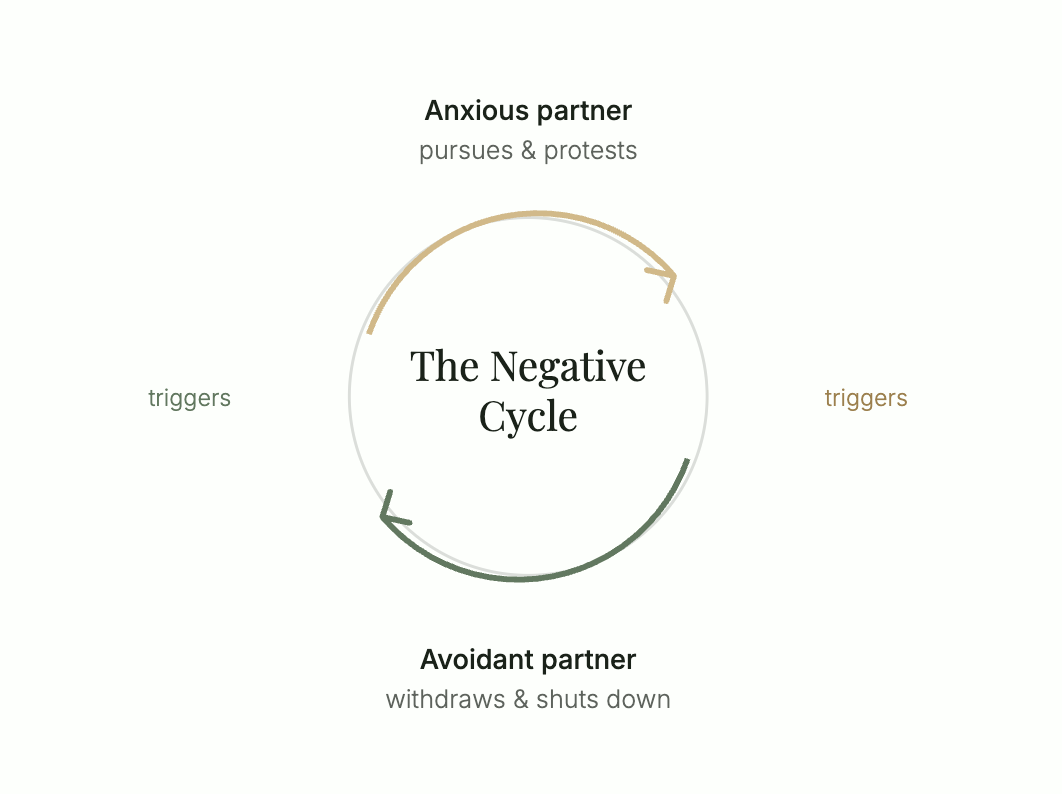
Often, the very ways we protect ourselves block the closeness we want. Anxious partners may pursue and protest; avoidant partners may withdraw and shut down. Both, in different ways, block emotional intimacy and keep couples stuck in a negative cycle. Understanding your patterns is the first step back toward each other.
How to build emotional intimacy
Emotional intimacy is rebuilt through small, repeated moments of safety, not grand gestures. What helps:
-

Turn toward each other
Respond to your partner's small bids for attention and connection.
-

Share your inner world
Name what you feel and need, especially the vulnerable parts, instead of protecting or performing.
-

Meet vulnerability with empathy
When your partner opens up, lead with care rather than problem-solving or defensiveness.
-

Repair quickly
Reconnect after conflict rather than letting distance harden.
-

Regulate before you relate
Calm your nervous system so you can stay present.
How We Help You Rebuild Emotional IntimacyYou can feel close again

1
Find your pattern
Take the free Attachment Style Quiz to understand what blocks your closeness.

2
Do the deeper work
Our courses give you concrete tools to stop self-protecting and start connecting.

3
Get support
Work with an attachment-trained coach, individually or as a couple.
Why The Secure Relationship

Therapist-led and evidence-based
Founded by Julie Menanno, MA, LMFT, LCPC, a licensed couples therapist. Attachment and EFT-informed.
A path for every stage
Free resources, courses, groups, and one-to-one coaching.
A proven approach
The bestseller Secure Love, a 1.5M+ community, 800K+ podcast downloads.

What’s blocking your emotional connection?
Take the free Attachment Style Quiz to understand how you connect, what gets in the way, and your next step toward closeness. About three minutes.
What our community is saying
Real words from people who've used these tools to build more secure relationships.
Anxious Attachment: Self-Work Course
$549
If you spiral into protest or panic when you don’t feel close, this self-paced course by Julie Menanno helps you stop self-abandoning and start showing up for your own needs so connection can feel safe again.
Ready to rebuild closeness?
1:1 & Group Coaching
Work with an attachment-trained coach on rebuilding emotional intimacy.
-
The felt sense of being safe, seen, and deeply connected to your partner, built through vulnerability, empathy, and emotional responsiveness.
-
Usually unmet attachment needs and protective patterns (pursuing or withdrawing) rather than a loss of love, and these patterns can be changed.
-
Through small, repeated moments of safety: turning toward each other, sharing vulnerably, meeting each other with empathy, repairing after conflict, and regulating your emotions.
-
Emotional intimacy is closeness through vulnerability and feeling understood; physical intimacy is closeness through touch and sex. They support each other but are not the same.
-
Yes. Even long-distant couples can rebuild emotional connection by understanding their patterns and learning to respond to each other differently.
Frequently asked questions


From the BlogPosts about Intimacy
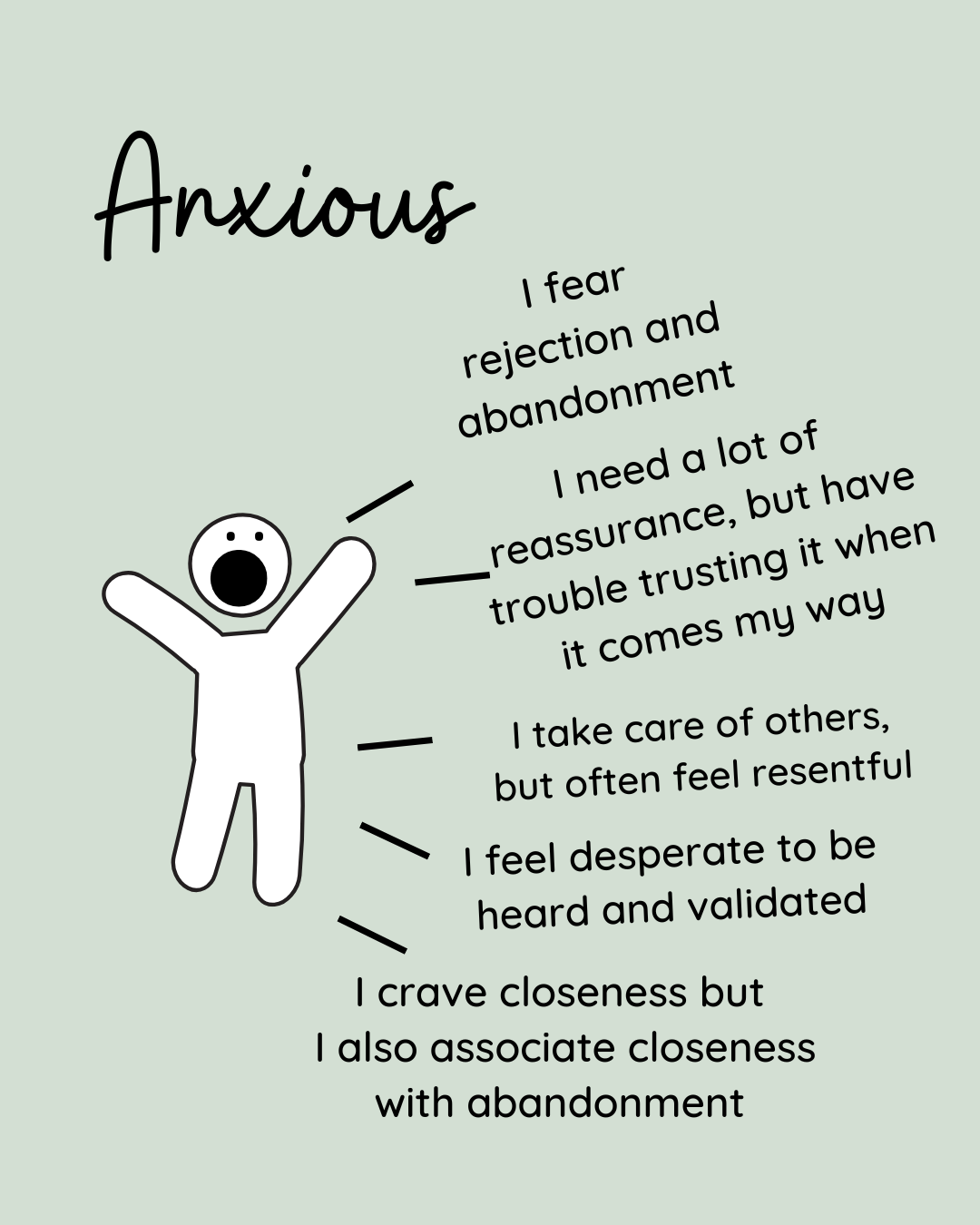
If you feel sensitive in relationships, scan for signs of disconnection, or spiral into protest and panic when you don’t feel close, this course is your starting point for healing. In this self-paced course, Julie Menanno guides you through the deeper emotional work required to stop self-abandoning and start showing up for your own needs, so connection can feel safe again. You’ll learn how anxious attachment develops, how it shows up in adult relationships, and how to build secure self-support,
The Secure Love PodcastPodcast Episodes
Book an Appointment
When disconnection starts to replace closeness, it can be hard to feel seen, understood, and secure with each other. Work with one of our coaches to strengthen emotional intimacy and create a deeper sense of connection in your relationship.
Having sex regularly can support emotional connection, relationship resiliency, and repair. When sex feels safe, mutual, and connected, it can help couples feel closer, more secure, and better able to move through life’s challenges together.