
Attachment Based Relationship Tips
Practical, attachment-based tools from therapist Julie Menanno. Understand your patterns, calm the conflict, and build real emotional safety with your partner.
Browse by topic
New here? Start with these


How Therapy Can Help With an Avoidant Attachment Style
Therapy can help people with avoidant attachment communicate more openly, connect more deeply, and become more emotionally available in relationships.
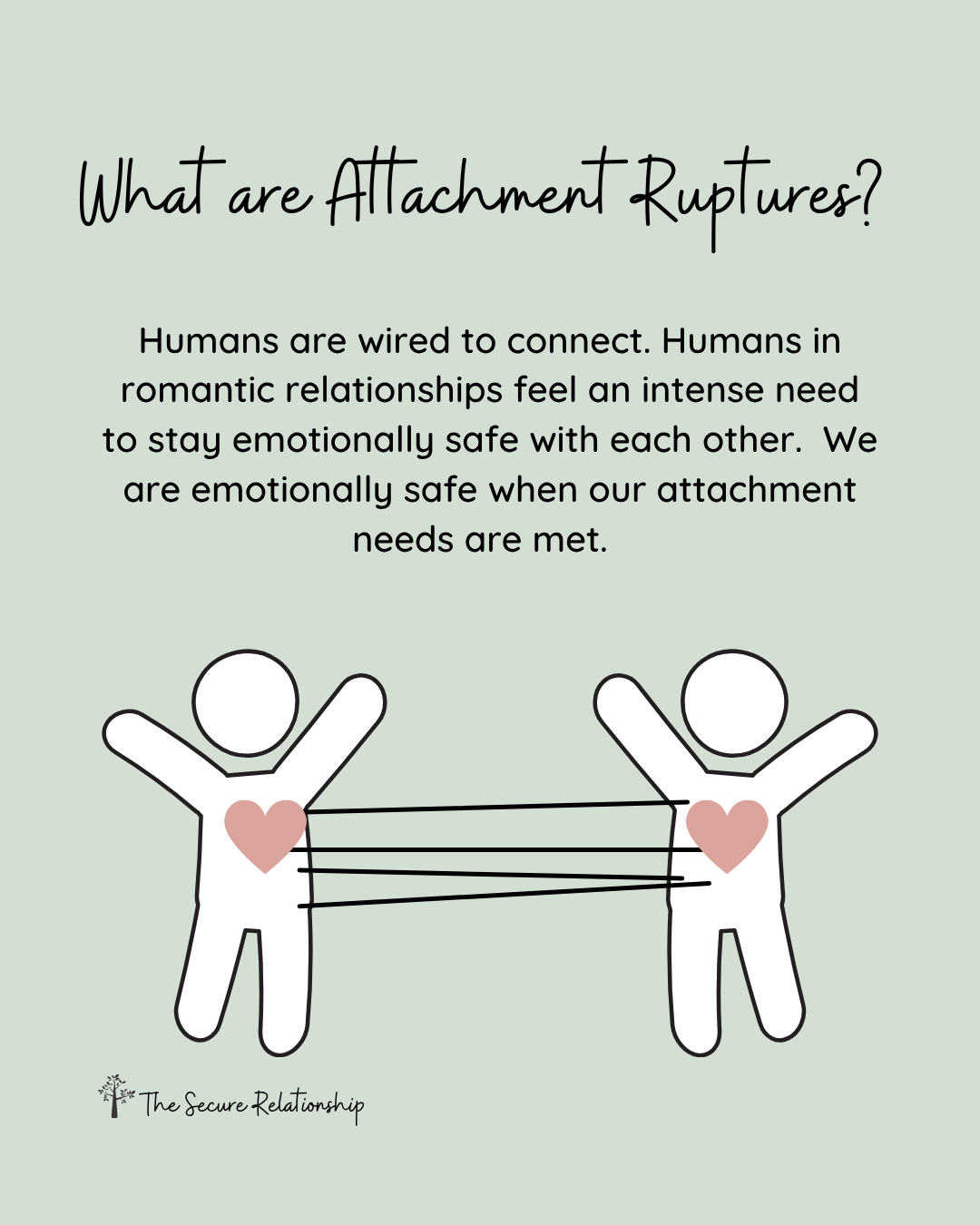
What Are Attachment Ruptures?
Attachment ruptures are normal in romantic relationships. When partners understand the attachment needs underneath conflict and learn to repair along the way, the relationship can become stronger and more secure.

What Is Attachment Theory? The 4 Attachment Styles in Relationships
Attachment theory helps explain why some relationships feel safe, connected, and easy to repair, while others feel stuck in the same painful cycle. In adult relationships, attachment shows up in what triggers us, how our bodies react to disconnection, and the strategies we use to get safe again. Understanding attachment can help you stop seeing your partner as the enemy and start seeing the real problem more clearly.

When Is It Time to Seek Professional Support for Your Relationship?
Not every couple seeks support because they are in crisis. Sometimes the clearest sign is simply repeating the same painful pattern, feeling stuck in distance, or wanting more trust and connection. Here are 8 signs it may be time to seek relationship support.
What Makes a Relationship Thrive (and What Makes It Fail)
Most relationships don’t break because love disappears. They break because emotional safety disappears—usually through unmet attachment needs, unhealed wounds, and negative cycles that keep partners from finding each other again.

The Core Difference Between Anxious and Avoidant Attachment
Anxious and avoidant attachment styles may appear completely different, but they share the same core problem: insecurity and avoidance of painful feelings. Understanding this difference is key to healing and building secure attachment.

Introduction to Emotionally Focused Couples Therapy
Emotionally Focused Couples Therapy (EFT) helps partners break negative cycles and build secure bonds using the science of attachment. Learn how EFT works and why it’s so effective.

Helping Your Partner Emotionally Engage
Emotional engagement is at the heart of connection, but many partners struggle to share their inner experience. This post offers gentle, practical tools to support your partner in opening up without pressure or intrusion.

Reaching and Responding: Chapter 7 of the Secure Love Book Club
Reaching and responding are the smallest, most powerful moves in a relationship—and the ones most likely to be misunderstood. Chapter 7 helps you spot the reach, respond with intention, and change the entire trajectory of a moment.

Preventing Your Negative Cycle: Chapter 6 of the Secure Love Book Club
Learn how to turn everyday interactions into an “attachment-friendly” environment, swap reflexive fight-or-flight reactions for healthy connection, and use Julie’s E-V-I-C-T framework to keep shame (and negative cycles) out of your relationship.

Interrupting Your Negative Cycle: Chapter 5 (Part 1) of the Secure Love Book Club
In Part 1 of Chapter 5, we explore what it takes to interrupt your negative cycle in the moment. Julie shares how to slow down, name the pattern, and choose connection over protection—even when it’s hard.

Understanding Shame: The Missing Link in Relationship Healing
Shame is often the hidden force behind emotional disconnection. This workshop helps you understand, name, and work with shame—so it no longer controls your relationships.

How Do Different Attachment Styles Approach Making Sacrifices for the Good of the Relationship?
Anxious partners over-sacrifice. Avoidant partners resist change. Secure partners give for the greater good. Learn how attachment shapes relationship sacrifices.

How to Recognize Your Attachment Style in Everyday Reactions
The emotional patterns you repeat in your relationship often stem from your attachment style. This post outlines common signs of anxious or avoidant attachment.

Before You Label Your Partner, Try This Perspective
It can feel easier to label your partner than to feel powerless. But what if the answer isn’t in blame, but in understanding the cycle? This post offers a new way forward.

After the Fight: 3 Options That Shape Your Relationship
After a fight, couples often choose between self-abandonment, protest, or repair. This post breaks down the three paths and helps you choose connection over disconnection.

A Secure Attachment Isn’t Bliss—It’s Safety
A secure relationship doesn’t feel like constant bliss. It feels safe. Valued. Trusted. Seen. This post explains what secure attachment really looks and feels like.

Why Your Partner's Bad Mood Triggers You, and How to Deal With It
When your partner is in a bad mood (grumpy, withdrawn, or moody), it can trigger panic and protest. Learn how to deal with a partner's mood swings, regulate your own reaction, and stay connected, from therapist Julie Menanno.

Can You Lean Into Your Partner’s Emotions?
Leaning in—offering empathy even when you don’t agree—isn’t the whole relationship, but it is the beginning. Here’s why it matters and how to do it well.

Testing Your Partner’s Love?
Do you find yourself constantly testing your partner’s love? This blog explores why reassurance never feels like enough and how you can begin to build real trust—from the inside out.