
Emotional Regulation in RelationshipsNervous System Regulation in Relationships
When your partner triggers you, your nervous system reacts before your thinking brain catches up. That's why you shut down or blow up before you can stop it. Learn how to regulate your nervous system and respond instead of react, with attachment-based tools, courses, and coaching from therapist Julie Menanno.



National Bestselling Book
1.5M+ Followers

1M Podcast Downloads

What is nervous system regulation in relationships?
Nervous system regulation is the ability to stay calm and present when your body goes into a stress response. In relationships, conflict and disconnection can trigger fight, flight, or freeze before you consciously decide anything, which is why you escalate or shut down without meaning to. Regulation is the skill of noticing that response and settling your body enough to stay connected.
“Self-regulation starts with awareness.”
Julie Menanno, Secure Love
You're not alone in thisDoes this sound familiar?
You react before you can stop yourself, then regret it.
Small things set you off far more than they should.
You go cold and shut down mid-conversation.
You spiral for hours after a fight you can't let go of.
You know what to say, and none of it comes out that way in the moment.
None of this means you're bad at relationships. It means your nervous system is doing its job a little too well.

The foundation
Why you react before you can think
When you feel emotionally unsafe with your partner, your body responds first. Your nervous system reads disconnection as danger and shifts into fight, flight, or freeze. That's why an anxious partner escalates and pursues, and an avoidant partner goes quiet and withdraws. Neither is choosing it in the moment. This is the gap between knowing what to do and being able to do it. Regulation closes that gap.
Emotional regulation in relationships
Emotional self regulation is the skill of noticing what's happening inside you and settling it, rather than acting it out or bottling it up. In relationships it looks like catching the surge before you speak, staying in the room when you want to flee, and coming back to a conversation once you're calm. It's not about suppressing what you feel. It's about staying steady enough to say it.
Fight, flight, or freeze
Your nervous system reads disconnection as danger and reacts before you consciously decide anything. Fight looks like escalating and pursuing; flight and freeze look like going quiet, shutting down, or withdrawing. Understanding your stress response, and where it comes from, helps you work with it instead of being run by it.
The work that changes things
How to Calm Your Nervous System in the Moment
Regulation is a skill you practise, not a switch you flip. These are the moves that settle your body enough to stay connected, one moment at a time.
2
Slow your exhale
A longer out-breath than in-breath signals safety to your body.
4
Take a real pause
Twenty minutes minimum, and say when you'll come back. A pause without a return is abandonment.
3
Ground physically
Feet on the floor, feel the chair, look around the room.
5
Move
Walk it off. The stress response is physical, so let your body finish it.
Regulation is learnable at any age. The more often you settle your body and return to connection, the faster and more natural it becomes.

Handling relationship triggers
What to do when your partner triggers you
A trigger is when something small in the present hooks something old and much bigger. Your reaction isn't only about what just happened; it's about what it reminded your body of. That's why the intensity feels out of proportion.
Working with a trigger looks like: noticing the surge, pausing before you respond, asking what the feeling underneath is (usually hurt, fear, or feeling unimportant), and telling your partner that softer thing rather than the sharp version.
Calming each other
Co-regulation: you don't have to do it alone
Regulation isn't only a solo skill. Couples co-regulate: your calm helps settle your partner, and their calm settles you. That's what a secure bond does at a physiological level. When both partners are flooded, no one can regulate alone, which is why learning to steady yourselves together matters more than either of you managing it privately.
How we help you stay steady
You can learn to stay steady
Three steps, from free self-understanding to one-to-one support.

1
Understand your patterns
Take the free Attachment Style Quiz to see how you react under stress, and why.

2
Do the deeper work
Our courses help you understand your triggers and build real regulation skills.

3
Get support
Work with an attachment-trained coach, individually or as a couple, on staying regulated together.
Why The Secure Relationship
Guidance you can trust
The Secure Relationship was founded by Julie Menanno, MA, LMFT, LCPC, a licensed couples therapist whose attachment- and EFT-informed work has reached millions of people looking to feel safe in love again.

Therapist-led and evidence-based
Attachment and Emotionally Focused Therapy at the core of every resource.
Support for every stage
Free resources, courses, groups, and one-to-one coaching.
A proven approach
The bestselling Secure Love, a 1.5M+ community, and 800K+ podcast downloads.

How does your nervous system
react under stress?
Take the free Attachment Style Quiz to understand your pattern and what to do about it. About three minutes.
What our community is saying
Real words from people who've used these tools to build more secure relationships.
Work with us
Ready to stop reacting
and start responding?
Self-paced course
$549
Or 3 payments of $183
Anxious Attachment: Self-Work Course
Learn to calm attachment anxiety without spiralling or protest, and build secure self-support. Understand your triggers, settle your nervous system, and respond from steadiness instead of fear.
1:1 & group coaching
Work with a coach
Work with an attachment-trained coach on regulation and your triggers, individually or as a couple. Or join a supportive group and do the work alongside others walking the same path.
Individual & couples sessions
Attachment-trained coaches
Supportive group option
-
The ability to notice when your body has gone into a stress response and settle it, so you can stay present instead of reacting.
-
Because a trigger hooks something older than the present moment. Your body responds to the echo, not just the event, which is why the intensity feels out of proportion.
-
Name that you're flooded, lengthen your exhale, ground yourself physically, and take a real pause with a time you'll return.
-
Noticing what you feel and settling it, rather than acting it out or suppressing it, so you can stay steady enough to communicate.
-
When partners calm each other's nervous systems. Your steadiness helps settle your partner, and theirs settles you.
-
Often twenty minutes or more for the stress response to clear, which is why short pauses rarely work.
Frequently asked questions
Posts about Self Regulation


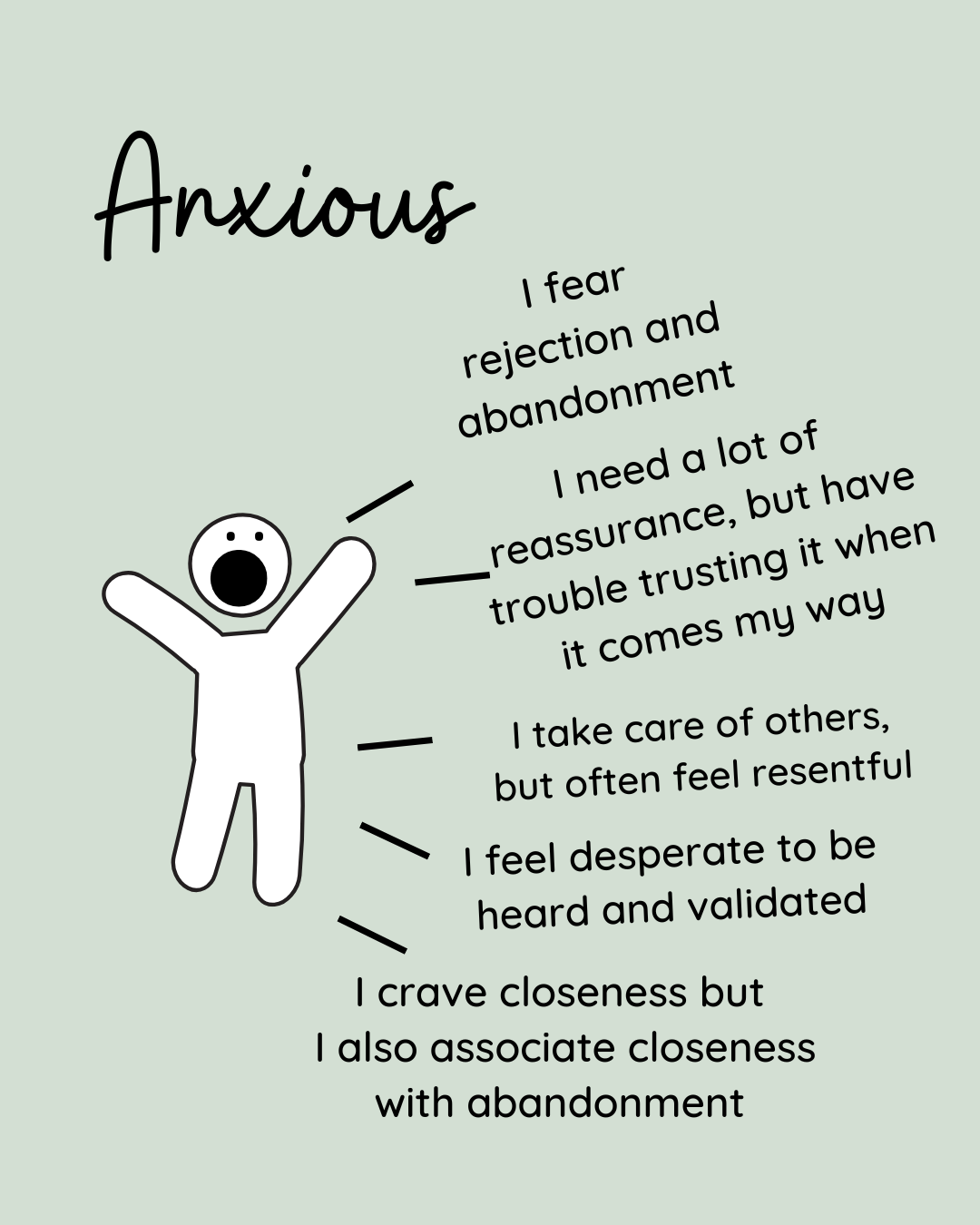
If you feel sensitive in relationships, scan for signs of disconnection, or spiral into protest and panic when you don’t feel close, this course is your starting point for healing. In this self-paced course, Julie Menanno guides you through the deeper emotional work required to stop self-abandoning and start showing up for your own needs, so connection can feel safe again. You’ll learn how anxious attachment develops, how it shows up in adult relationships, and how to build secure self-support,
Podcast Episodes
Book an Appointment
When emotions run high, it can be hard to stay grounded and connected. Work with one of our coaches to build regulation skills that help you respond with more calm, clarity, and intention.
Emotional integration helps you hold multiple inner experiences at the same time instead of bouncing between anger, shame, fear, or protest. When you can make space for the full experience, your relationship responses can become more grounded, clear, and secure.