
Negative CyclesThe Anxious-Avoidant Cycle: How to Stop the Same Fight
If you and your partner keep having the same fight in different clothes, you're caught in a negative cycle. One of you reaches, the other pulls away, and you both end up feeling alone. Learn what drives the cycle and how to step out of it, with attachment-based tools, courses, and coaching from therapist Julie Menanno.


National Bestselling Book
1.5M+ Followers

1M Podcast Downloads

What is a negative cycle in a relationship?
A negative cycle is the repeating pattern a couple gets pulled into during conflict, where each person's protective reaction triggers the other's. Most often it's the anxious-avoidant cycle: one partner pursues connection and protests, the other withdraws and shuts down, and the more one reaches, the more the other retreats. The cycle, not your partner, is the real problem, and once you can see it, you can step out of it.
““Negative cycles prevent the true repair work from happening and so you start avoiding the problem, until you go out with your friends again and it rears its ugly head.”
Julie Menanno, Secure Love
Does this sound familiar?
You keep having the same fight, just about different things.
The harder one of you pushes to connect, the more the other pulls back.
Small disagreements escalate fast and take days to recover from.
You both end an argument feeling like the other one just doesn't get it.
You love each other, and you still can't seem to stop.
That's a negative cycle. It's not a sign you're wrong for each other. It's a pattern, and patterns can change.

The foundation
What is the negative cycle?
Underneath almost every recurring fight is a cycle: a predictable loop where each partner's way of coping triggers the other's. It usually isn't about the topic, the chores, the text, the tone. It's about what those things mean to each of you, and the attachment fears they set off. Once the cycle takes over, you stop talking to each other and start reacting to the pattern.
That's why the same argument can arrive wearing a hundred different outfits. The subject changes. The choreography doesn't. One of you moves toward, the other moves away, and within minutes you're both somewhere you've been a hundred times before, saying things you'll regret and hearing things the other person didn't mean.
A cycle is self-feeding, which is why it's so hard to stop from the inside. Nobody starts it and nobody is running it. You are both keeping it going, moment by moment, with reactions that feel completely reasonable from where each of you is standing. That's also the good news: because you're both holding a piece of it, either one of you can be the one to interrupt it.
The anxious-avoidant cycle
The most common version is the anxious-avoidant cycle. One partner leans toward anxious attachment and reaches for closeness when they feel disconnected: pursuing, protesting, pushing for a resolution. The other leans avoidant and reaches for space when things get intense: withdrawing, going quiet, shutting down.
Each move makes the other's fear worse. The pursuer feels abandoned, so they push harder. The withdrawer feels overwhelmed, so they retreat further. Round and round. Neither of you is overreacting; you're both reacting to a threat the other one can't see.
The pursuer-distancer pattern
Therapists call this the pursuer-distancer pattern (or pursue-withdraw). The pursuer seeks contact to feel safe; the distancer seeks space to feel safe. Neither is wrong, and neither is trying to hurt the other. But because the two strategies collide, both partners end up with the opposite of what they need.
Naming your role in it, "I pursue," "I distance," is one of the fastest ways to start changing it. Roles aren't fixed, either. Plenty of couples swap depending on the topic, and a pursuer who has given up long enough can look exactly like a distancer.
What the cycle sounds like
Cycles are easiest to spot in someone else's relationship, because from the outside you can hear both layers at once: the words on the surface, and the attachment fear underneath them. Here's a version of a conversation almost every couple has had.
What gets said
"You're always on your phone." — "I've had a long day, can I just have five minutes?" — "You never want to talk to me." — "That's not fair, I always talk to you." — "Forget it. Never mind." — Silence for the rest of the evening.
What's actually happening
One partner feels the distance and reaches for contact in the only way available to them, as a complaint. The other hears "you're failing me," so they defend and pull back to protect what little bandwidth they have left. The pull-back confirms the first partner's worst fear, so they escalate, then give up. Now both of them are alone in the same room, and neither one wanted that.
Notice what isn't in that conversation: a villain. Both people are protecting themselves from something real. The problem isn't that one of you is too needy or the other is too cold. The problem is that your two protective strategies are perfectly designed to set each other off, and nobody in the room can see the pattern while it's running.
This is also why "just communicate better" rarely works on its own. You can learn every script in the world and still get pulled under, because the cycle isn't a communication problem sitting on the surface. It's two nervous systems reacting to danger. The way out starts with seeing the loop, not with winning the exchange.

Both sides of the loop
Which side of the cycle are you on?
Most people can find themselves in one of these two descriptions within a sentence or two. Reading the other one is usually the more useful half.
If you're the more anxious partner
Disconnection feels like danger. When your partner goes quiet, your nervous system reads it as "I'm losing them," and you escalate to get a response, through protest, criticism, or pushing to resolve it right now. It can look like anger from the outside. Inside, it's closer to panic.
Silence, a flat tone, or a delayed reply sets off the alarm.
You need to finish the conversation tonight, even at 1am.
You keep raising the volume, hoping something finally lands.
Underneath the intensity is a simple need: to know you still matter to them. Regulation is what gives you access to saying that instead of shouting it.
If you're the more avoidant partner
Conflict and pressure feel like drowning. When emotions run high, your system reads it as "I can't win this," and you withdraw to feel safe, going quiet, shutting down, or leaving the room. Your withdrawal isn't not caring. It's self-protection.
Raised voices or tears make your mind go blank.
You need time before you can say anything useful.
You'd rather say nothing than say the wrong thing again.
Underneath the distance is usually a fear of failing them, or of losing yourself. Naming the shutdown out loud, "I've gone blank, I'm not leaving, I need twenty minutes," is often the whole intervention.
The work that changes things
How to break the negative cycle
You don't break a cycle by winning the argument faster. You break it by changing what you do while you're in it. These five moves are the order they usually need to happen in.
1
Name the cycle out loud
"We're doing the thing again" turns you from opponents into teammates against the pattern. Say it about the cycle, never about the person.
2
Own your move
"I chase when I'm scared." "I go quiet when I'm overwhelmed." Owning your side invites your partner to own theirs, and it's the only side you can actually change.
4
Say the softer feeling
Under the protest or the shutdown is hurt or fear. Lead with that instead of the anger sitting on top of it.
3
Slow down and regulate
You can't break a cycle while flooded. Take the pause on purpose, say how long you need, and come back.
6
Then do it earlier next time
The goal isn't a perfect conversation. It's catching the cycle at minute two instead of hour two.
5
Repair afterward
Reconnect once it's calm rather than sweeping it under the rug. An unrepaired rupture is the fuel for the next round.
How to prevent it
Preventing the cycle is about catching it earlier each time. Couples who break free don't stop having the cycle overnight; they get faster at spotting it, calling it, and stepping out. Over time, the loop gets shorter, the recovery gets quicker, and a positive cycle starts to take its place.
What replaces it
From a negative cycle to a positive one
Cycles don't get deleted. They get replaced. The same sensitivity that pulls you into the negative loop, one of you attuned to distance, one of you attuned to pressure, is what makes the positive cycle possible once you're both working with it instead of against it.
In a positive cycle, the anxious partner learns that reaching can sound like reaching rather than accusing, and starts to trust that a pause isn't abandonment. The avoidant partner learns that staying present for thirty more seconds doesn't destroy them, and that turning toward their partner ends the pressure faster than escaping it. Each move now soothes instead of triggers. That's the whole shift.
It's slower than anyone wants, and it's not linear. You'll fall back into the old loop, probably this week. The measure of progress isn't whether the cycle shows up. It's how long it takes you to notice, how quickly one of you names it, and how much of the old hurt still gets dragged into it. Those three numbers are what change first, and they change well before the fights stop.
Attachment Styles · Repair · Trust & Wounds · Needs & Boundaries
How we help you break the cycle
You can get out of the cycle
Three steps, from free self-understanding to one-to-one support.

1
Find your pattern
Take the free Attachment Style Quiz to see your role in the cycle, and why it makes sense.

2
Do the deeper work
The Negative Cycle Workshop Series maps your cycle step by step and shows you how to interrupt it.

3
Get support
Work with an attachment-trained coach on the pattern that keeps pulling you apart.
Why The Secure Relationship
Guidance you can trust
The Secure Relationship was founded by Julie Menanno, MA, LMFT, LCPC, a licensed couples therapist whose attachment- and EFT-informed work has reached millions of people looking to feel safe in love again.

Therapist-led and evidence-based
Attachment theory and Emotionally Focused Therapy at the core of every resource.
Support for every stage
Free resources, courses, groups, and one-to-one coaching.
A proven approach
The bestselling Secure Love, a 1.5M+ community, and 1M+ podcast downloads.

What's your role in the cycle?
Take the free Attachment Style Quiz to find out whether you pursue or withdraw, and what to do about it. About three minutes.
What our community is saying
Real words from people who've used these tools to build more secure relationships.
Work with us
Ready to break the cycle for good?
Negative Cycle Workshop Series
$349
or 2 × $179
A 5-part path out of the pattern
Map your cycle, spot the attachment fears driving it, learn to interrupt it in real time, and repair after rupture. 10+ hours of video, scripts, and guided exercises, at your own pace.
5-part step-by-step workshop series
10+ hours of expert video guidance
Scripts and guided exercises for both partners
Lifetime access, at your own pace
1:1 & group coaching
Work with a coach
Work with an attachment-trained coach on the cycle you keep landing in, individually or as a couple. Or join a supportive group and do the work alongside others walking the same path.
Individual & couples sessions
Attachment-trained, EFT-informed coaches
Supportive group option
-
The repeating pattern a couple gets pulled into during conflict, where each person's protective reaction triggers the other's. Most often it's the anxious-avoidant cycle.
-
When one partner pursues closeness and the other withdraws for space, and each move makes the other's fear worse. The pursuer feels abandoned and pushes harder; the withdrawer feels overwhelmed and retreats further.
-
The therapist's name for the same dynamic: one partner seeks contact to feel safe, the other seeks space, and the two strategies collide.
-
Name the cycle out loud, own your own move in it, regulate before you engage, and say the softer feeling underneath your reaction.
-
No. Almost every couple has a cycle. What matters is learning to see it and step out of it together.
Frequently asked questions
Posts about Negative Cycles


The Negative Cycle Series is a 5-part, step-by-step path to help you understand why you and your partner keep getting pulled into the same fight, and what to do differently when it starts. You will learn how to map your cycle, identify the attachment fears driving it, interrupt it in real time, repair after rupture, and build a more secure relationship dynamic that lasts. This is the work that turns conflict into clarity, and distance into connection.
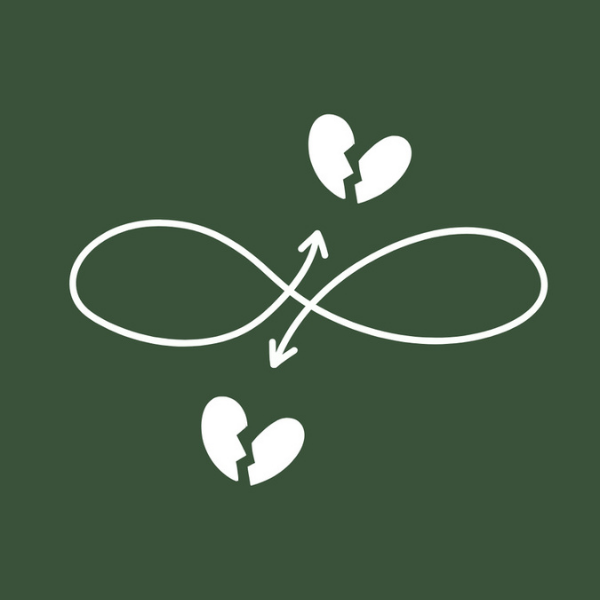
Podcast Episodes
Book an Appointment
Many couples get stuck in the same painful patterns without knowing how to stop them. Work with one of our coaches to identify your negative cycle, understand what is driving it, and start creating a new way forward together.
Attachment ruptures are normal in romantic relationships. When partners understand the attachment needs underneath conflict and learn to repair along the way, the relationship can become stronger and more secure.