Anxious or Avoidant? Understanding the Fearful-Avoidant Style

Attachment styles are often misunderstood, and it's very common to feel you have both anxious and avoidant traits. But in your closest relationships, you usually lean more toward one. This post helps you work out which, why the styles can seem confusing, and what to look at when yours feels hard to pin down.
Your attachment style isn't a label or a judgment. It's a way of understanding what helps you feel lovable, safe, and connected, and what happens inside you when connection feels threatened.
The four attachment styles
Sometimes the quickest way to recognise yourself is to hear each style from the inside. See which one sounds most like you under stress.
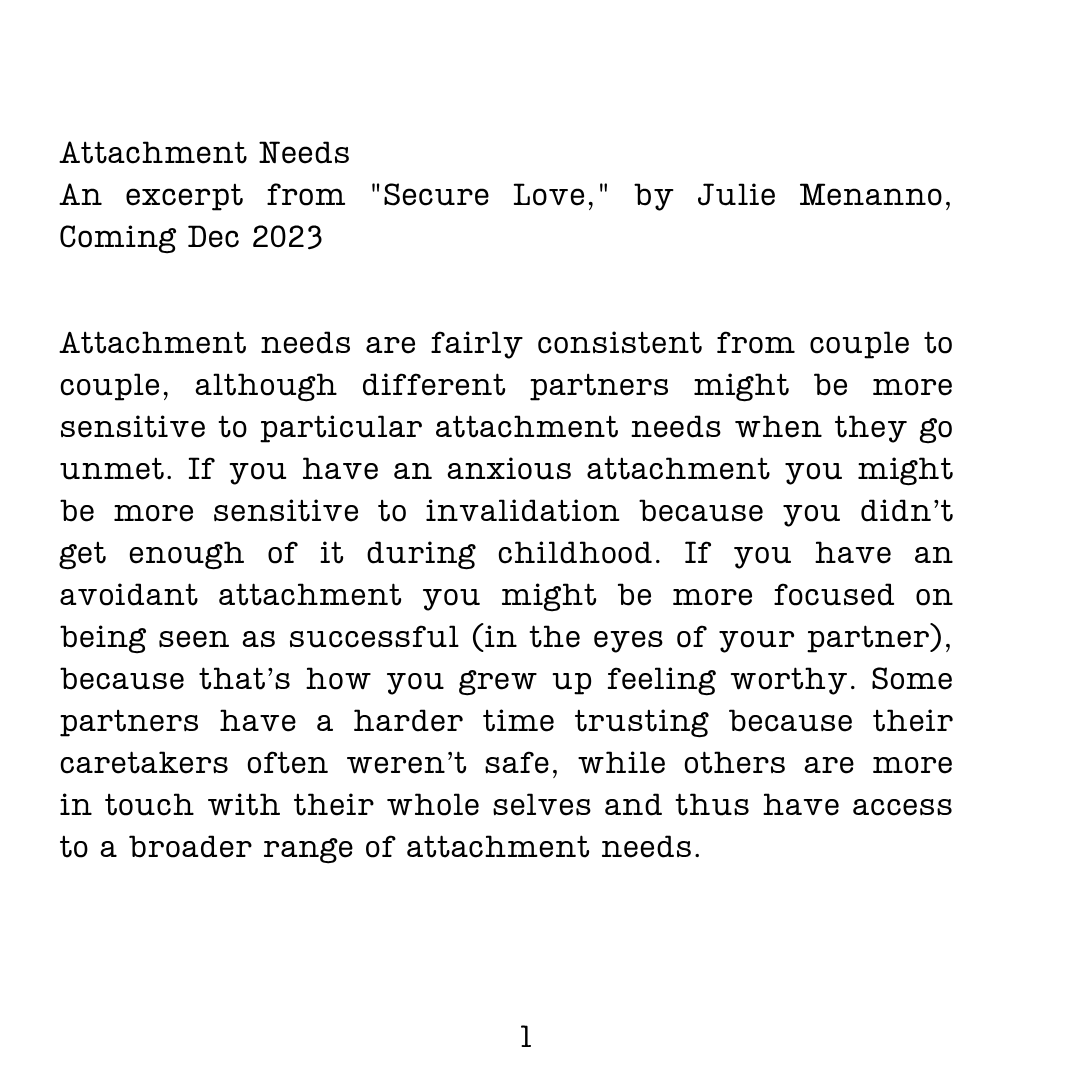
Anxious attachment.I'm preoccupied with relationship problems, and when everything feels on the line, my greatest fear is abandonment, physical or emotional. Of course I try hard to be seen and understood, that's how I feel lovable and safe. It matters even more to me because I didn't get enough of those things growing up. And when I do get them, it's hard to trust they'll last. → Anxious attachment, in depth
Avoidant attachment.I try not to focus on or talk about relationship problems. I help my feelings by pushing them out of awareness, because nobody was ever there to help me with them. To feel safe, I rely on doing a good job and getting things right. Sometimes the pressure is so high I just want to be alone. It's not that I don't have feelings. It's that I learned to stuff them or hide them. → Avoidant attachment, in depth
Disorganised (fearful-avoidant) attachment.I have a hard time trusting anyone at all. I want to, more than anything, but in my experience even the people who love me could hurt me at any moment. The way I respond to stress isn't consistent, because I don't feel consistent inside myself. I just want to feel safe, a safety I've never really known. → Disorganised attachment, in depth
Secure attachment.I don't feel preoccupied by relationship problems, but I know how to face them when they come. I stay emotionally engaged without being overly reactive. My go-to responses are healthy assertion and vulnerability. I can help my own emotions and ask for support, and I trust my partner and I can find a way to work things out.
Understanding Your Attachment Style
Attachment styles are often misunderstood, and it’s common for people to feel they exhibit both anxious and avoidant traits. However, in the context of your closest relationships, you likely lean more toward one attachment style.
This post explores why attachment styles might seem confusing and what factors can make it hard to determine yours.
1) You Notice You Have Different Attachment Styles with Different People
Your attachment style shows up most profoundly in your closest relationships, usually reflecting your most strained childhood relationship with a caregiver.
Why?
Relationships with high emotional investment (romantic partners, family) trigger attachment fears the most.
More casual relationships (co-workers, acquaintances) don’t activate attachment fears as strongly.
This means you might act more secure or avoidant in some relationships but anxious in others where deeper emotional needs are at play.
2) Your Attachment Style Is About More Than Just Behavior
Many people assume attachment style is determined by behavior alone, but thoughts, intentions, and fears also play a huge role.
Example:
Two people might both leave the room during an argument, but their internal experiences could be completely different:
Avoidant Attachment: Retreats to prevent escalation and protect the relationship. Deep down, they fear failure as a partner.
Anxious Attachment: Leaves as a protest behavior, hoping their partner will chase after them and prove they care.
This means two people can behave the same way externally while having completely different attachment fears underneath.
Biggest Clue to Your Attachment Style:
Anxious partners fear abandonment.
Avoidant partners fear being seen as a failure.
If you feel like you have both anxious and avoidant tendencies, you may need to look beyond behavior and examine your core attachment fears.
3) You May Have a Disorganized Attachment
Disorganized attachment is not a mix of anxious and avoidant—it is a completely separate experience marked by intense fear and inner chaos.
Signs of Disorganized Attachment:
Extreme or unpredictable behaviors (e.g., pushing a partner away, then desperately pulling them back).
Intense fear of both abandonment and closeness.
Deep-rooted trust issues and difficulty regulating emotions.
Disorganized attachment often stems from childhood trauma or inconsistent caregiving and is distinct from anxious or avoidant attachment.
4) You Lean Toward Secure Attachment
Secure attachment is the opposite of insecure attachment—it allows for flexibility in emotions, thoughts, and behaviors.
Signs You Lean Toward Secure Attachment:
You feel safe in relationships even during conflicts.
You can adapt to situations without extreme reactions.
You are open to feedback and can reflect on your actions.
If you don’t fully resonate with anxious or avoidant attachment but sometimes exhibit mild traits of both, you may simply be a more secure person with some insecure tendencies.
Final Thoughts: How to Determine Your True Attachment Style
If you’re unsure about your attachment style, here’s what to consider:
You likely have one core attachment style, but behaviors can vary based on context.
Focus on your biggest attachment fear—abandonment (anxious) or failure (avoidant).
If your experiences feel extreme and chaotic, disorganized attachment may be at play.
If you respond with flexibility and don’t feel overwhelmed by attachment fears, you may lean more secure.
Understanding your true attachment style can help you work toward more secure relationships and healthier emotional patterns.
Resources for Understanding and Healing Your Attachment Style
Attachment 101 Course – Understand attachment styles and how they shape your relationships.
Secure Love by Julie Menanno for a deep dive into attachment patterns and relationship dynamics.
Understanding Shame Workshop to learn how unprocessed shame impacts anger and emotional regulation.
Julie’s Group for live discussions on relationships, attachment, and self-awareness.
Coaching Sessions for personalized support in understanding your attachment patterns and building secure connections.
“How you show up in your romantic and closest relationships is what matters most when defining your attachment style.”
Other Posts You Might Like: