When Is It Time to Seek Professional Support for Your Relationship?
Signs Your Relationship May Need Professional Support
Relationships can bring deep love, comfort, and joy. They can also bring moments of distance, hurt, and disconnection. Sometimes the issue is not a lack of love. Sometimes it is that the two of you keep getting pulled into painful patterns that you do not know how to stop on your own.
You do not have to wait until your relationship feels like it is falling apart to get support. Many couples reach out because they want more connection, more understanding, and a more secure bond.
Consider the following questions:
Do you notice repeating the same patterns, no matter the topic, when arguing?
Do you feel things are really good most of the time, but every now and then you get stuck in conflict or distance?
Do you feel any resentment toward each other?
Have you experienced an affair or other major breach of trust?
Do you want more emotional connection?
Do you want to improve your sex life?
Do you crave feeling more appreciated, wanted, and secure?
Do you feel blamed or overly criticized?
If you answered yes to any of these questions, couples coaching can help.
How Couples Coaching Can Help
Couples coaching offers a supportive place to slow down, understand what is happening beneath the conflict, and learn new ways of responding to each other.
Coaching can help you:
identify and break negative communication patterns
rebuild trust after a breach of trust
deepen emotional connection and intimacy
strengthen communication and mutual understanding
address unmet needs and reduce blame, criticism, and defensiveness
Often, couples are not actually fighting about the surface issue. They are getting stuck in a deeper cycle of disconnection. Coaching helps you recognize that cycle, understand what each partner is protecting, and begin building a more secure way of relating.
You Do Not Have to Wait Until Things Feel Extreme
Some couples think they should only get support when things feel severe. But many relationships need help long before they are in crisis.
Maybe things are good most of the time, but the same conflict keeps coming back. Maybe you care deeply about each other, but resentment is building. Maybe there is love, but not enough emotional safety. Maybe one or both of you feels lonely, unseen, or criticized.
Those are meaningful signs. They matter.
Reaching for support is not a sign that your relationship is failing. It can be a sign that your relationship matters enough to care for it intentionally.
Relationship Support Resources
If this post feels familiar, here are a few good next steps:
Individual and Couples Coaching
This is the most direct resource for couples who feel stuck in repeating patterns, distance, resentment, or trust issues. It offers personalized support around the exact dynamic you are living in.
Mapping Your Negative Cycle Course
This is especially helpful if you keep having the same argument in different forms. It helps couples understand the pattern underneath the conflict so they can respond differently.
Attachment 101 Course
If you want to better understand why you and your partner react the way you do, this is a strong place to start. It helps connect relationship struggles to attachment patterns and emotional needs.
Secure Love
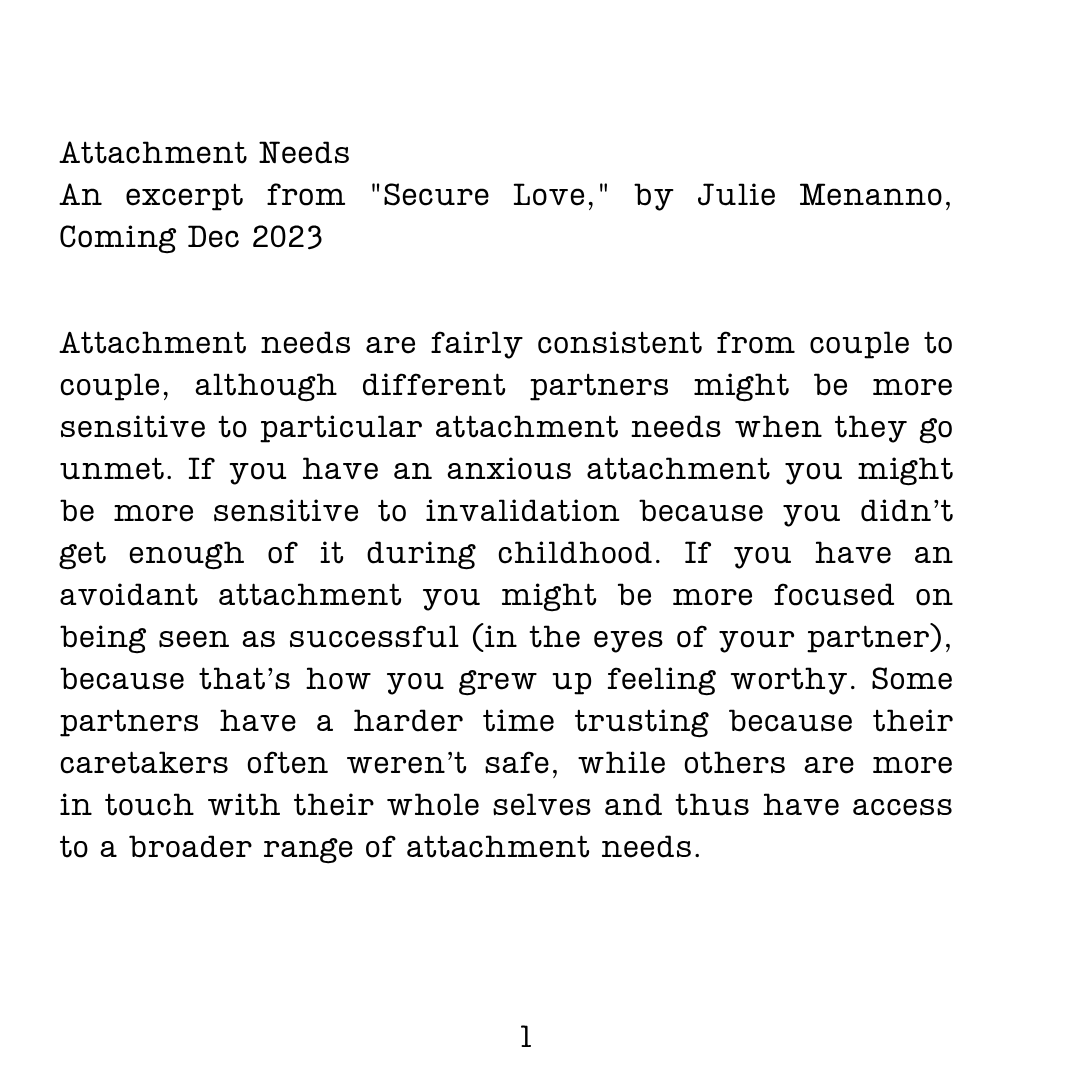
This book is a helpful next step for couples who want a deeper understanding of attachment, conflict, emotional safety, and secure connection in everyday relationship life.
Take the Next Step Toward More Connection
If you are recognizing your relationship in these questions, you do not have to keep trying to figure it out alone.
Support can help you understand the pattern you are in, reconnect around what really matters, and begin creating a relationship that feels more secure, connected, and safe for both of you.
“Reaching for support is not a sign that your relationship is failing. It can be a sign that your relationship matters enough to care for it intentionally.”
Other Posts You Might Like: