
Attachment Based Relationship Tips
Practical, attachment-based tools from therapist Julie Menanno. Understand your patterns, calm the conflict, and build real emotional safety with your partner.
Browse by topic
New here? Start with these

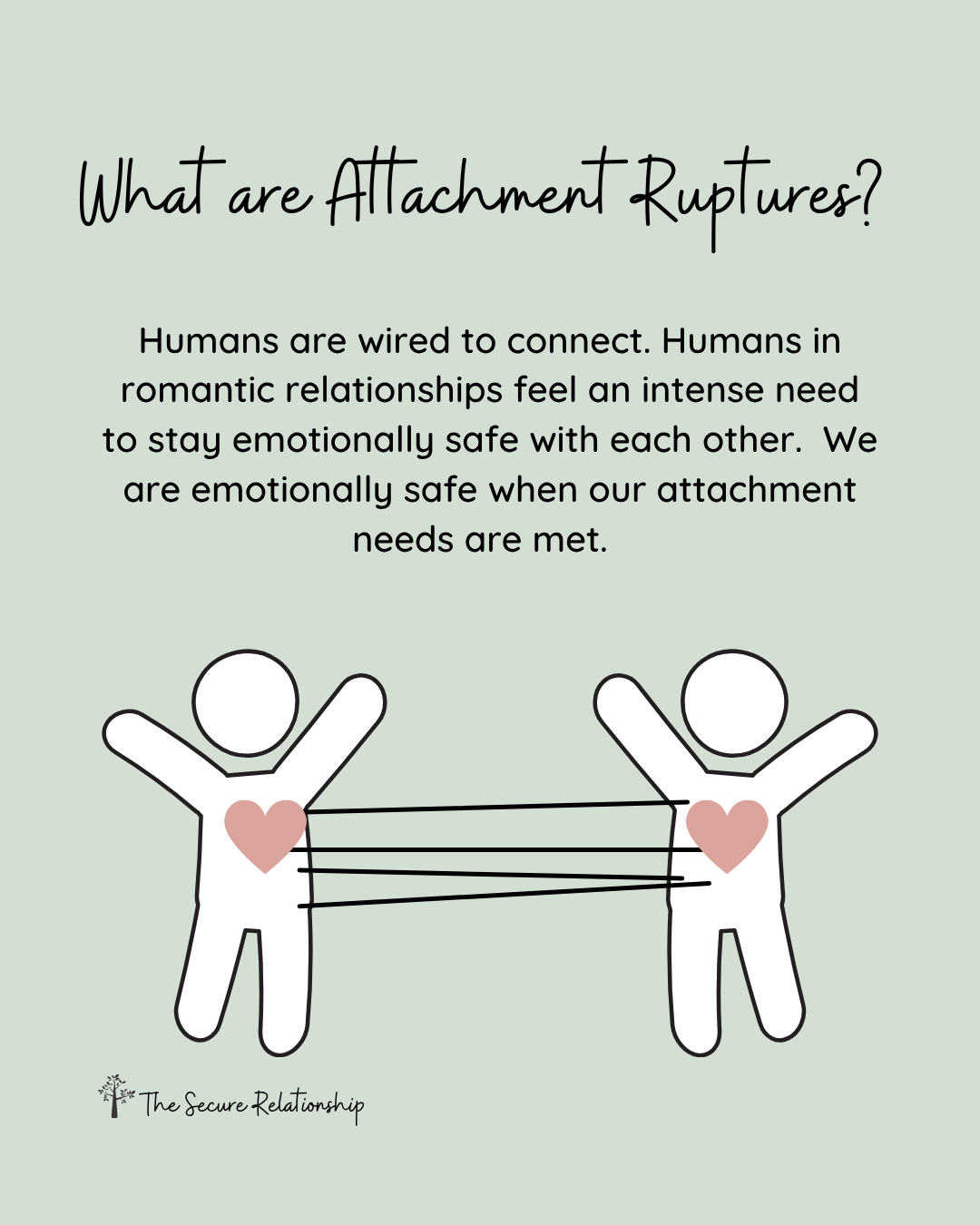
What Are Attachment Ruptures?
Attachment ruptures are normal in romantic relationships. When partners understand the attachment needs underneath conflict and learn to repair along the way, the relationship can become stronger and more secure.
What Emotional Integration Really Means in Relationships
Emotional integration helps you hold multiple inner experiences at the same time instead of bouncing between anger, shame, fear, or protest. When you can make space for the full experience, your relationship responses can become more grounded, clear, and secure.
Are You or Your Partner Selfish?
Selfishness can hurt relationships, but people are not wholly defined as selfish. This post explores what may be underneath selfish behavior, including shame, emotional blocks, addiction, rigid thinking, and early relational patterns.
5 Reasons Having Sex Regularly Is Good for Your Relationship
Having sex regularly can support emotional connection, relationship resiliency, and repair. When sex feels safe, mutual, and connected, it can help couples feel closer, more secure, and better able to move through life’s challenges together.
What Makes a Relationship Thrive (and What Makes It Fail)
Most relationships don’t break because love disappears. They break because emotional safety disappears—usually through unmet attachment needs, unhealed wounds, and negative cycles that keep partners from finding each other again.
Attachment Needs & Fears
Every partner has attachment needs that support emotional safety. Learn how unmet needs and fears drive disconnection—and how to move back toward security.

4 Tips to Help Your Avoidant Partner Feel Safe
Avoidant attachment doesn’t mean your partner can’t connect. Learn four key ways to help them feel safe, successful, and emotionally understood.

Do You Really Want to Be Agreed With? Or Do You Just Want to Feel Valued and Understood?
Constantly arguing over facts in your relationship? You may not be seeking agreement—you may be seeking emotional validation. Here’s how to tell the difference and reconnect.

Met Attachment Needs = Secure Attachment
Secure attachment is built on a foundation of consistent emotional attunement and met needs. When both partners feel seen, valued, and safe, the relationship thrives.

Unmet Childhood Attachment Needs: How Early Experiences Shape Adult Relationships
Many struggles in adult relationships trace back to unmet attachment needs from childhood. Explore how early emotional experiences shape your reactions, defenses, and patterns—and what healing can look like.

How to Break Free from Negative Communication Cycles in Your Relationship
Negative communication cycles are the real enemy of relationships—not your partner. Learn how to identify, interrupt, and prevent them so you can strengthen your emotional connection and resolve conflicts more effectively.

The Anatomy of a Trigger (and How to Do Something New)
Explore the anatomy of a trigger and how vulnerability can transform conflict into emotional safety and connection.

Attachment Needs in Action
Explore how attachment needs show up in relationships and why meeting them fosters emotional safety, connection, and trust between partners and friends.

Blaming vs. Owning: Taking Responsibility in Relationships
Discover the difference between blaming and owning in relationships, and learn how taking responsibility for your emotional needs can create space for healing, growth, and connection.

Common Question: How Can I Have Attachment Needs While Being Responsible for My Emotional Needs?
Learn how to balance emotional responsibility with attachment needs, foster mutual respect, and create closeness in your romantic relationship.

The Fight: What’s Really Happening and How to Do It Differently
Learn how to transform relationship fights by addressing unmet attachment needs, creating emotional safety, and fostering connection instead of conflict.

What Are The THREE Problems When You’re in a Fight With Your Partner?
Uncover the three layers of relationship conflicts—surface issues, unmet attachment needs, and underlying dynamics—and learn strategies for resolution.

Your Part in Relationship Problems: Things You Might Be Missing
Discover your role in relationship problems & learn to address them effectively in this insightful blog by Julie Menanno. Take steps towards healthier dynamics today.