
Secure Attachment Style
Secure attachment does not mean perfect communication, no conflict, or never feeling hurt. It means closeness feels safe enough to return to, needs can be named, repair is possible, and the relationship becomes a place your nervous system can settle.
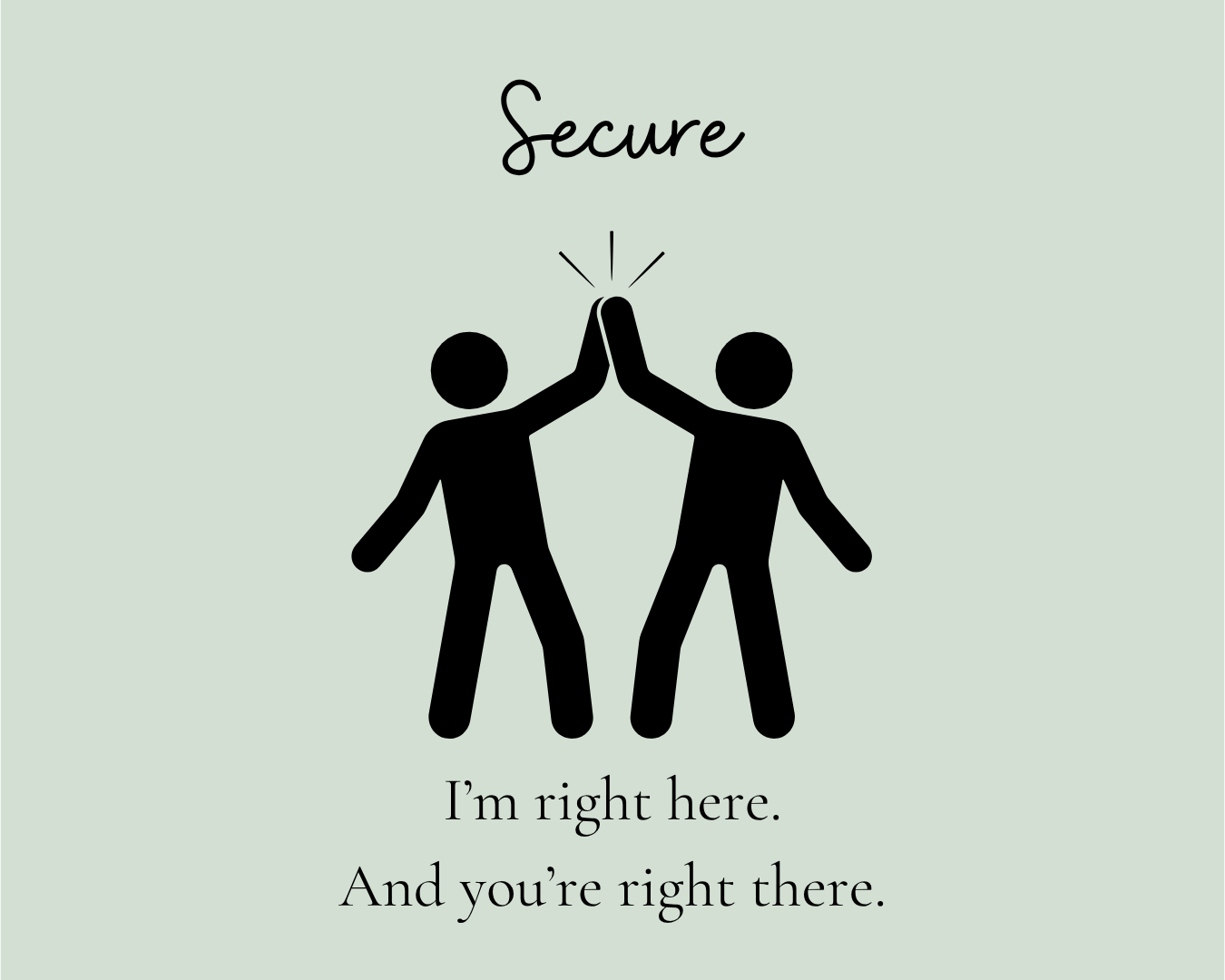
A lot of people hear the words secure attachment and picture a flawless relationship. No conflict. No misunderstandings. No hard feelings. No fear.
That is not what secure attachment means.
Secure attachment is not an eternal state of ease. It is a relationship pattern built on emotional safety, responsiveness, repair, and trust. It is the felt experience of knowing that even when something is hard, the bond can still be protected. It is the experience of being able to reach, be received, misstep, repair, and find your way back to each other again.
If you already have a more secure attachment style, this page can help you understand your strengths and protect them. If you are growing toward secure attachment, this page can help you understand what you are building.
What is secure attachment?
Secure attachment is the experience of feeling emotionally safe enough in connection to be real, vulnerable, and responsive without living in constant fear of losing the bond.
When you are more securely attached, you are better able to:
trust connection without needing constant proof
name your needs more directly
respond to your partner’s needs without immediately becoming defensive
tolerate conflict without assuming the relationship is collapsing
stay emotionally present through discomfort
repair after disconnection
return to closeness after distance
Secure attachment is not the absence of need. It is comfort with need, both your own and someone else’s.
At its core, secure attachment feels like:
“I can reach for you.”
“You can reach for me.”
“We can get it wrong and still find our way back.”
Posts about Secure Attachment




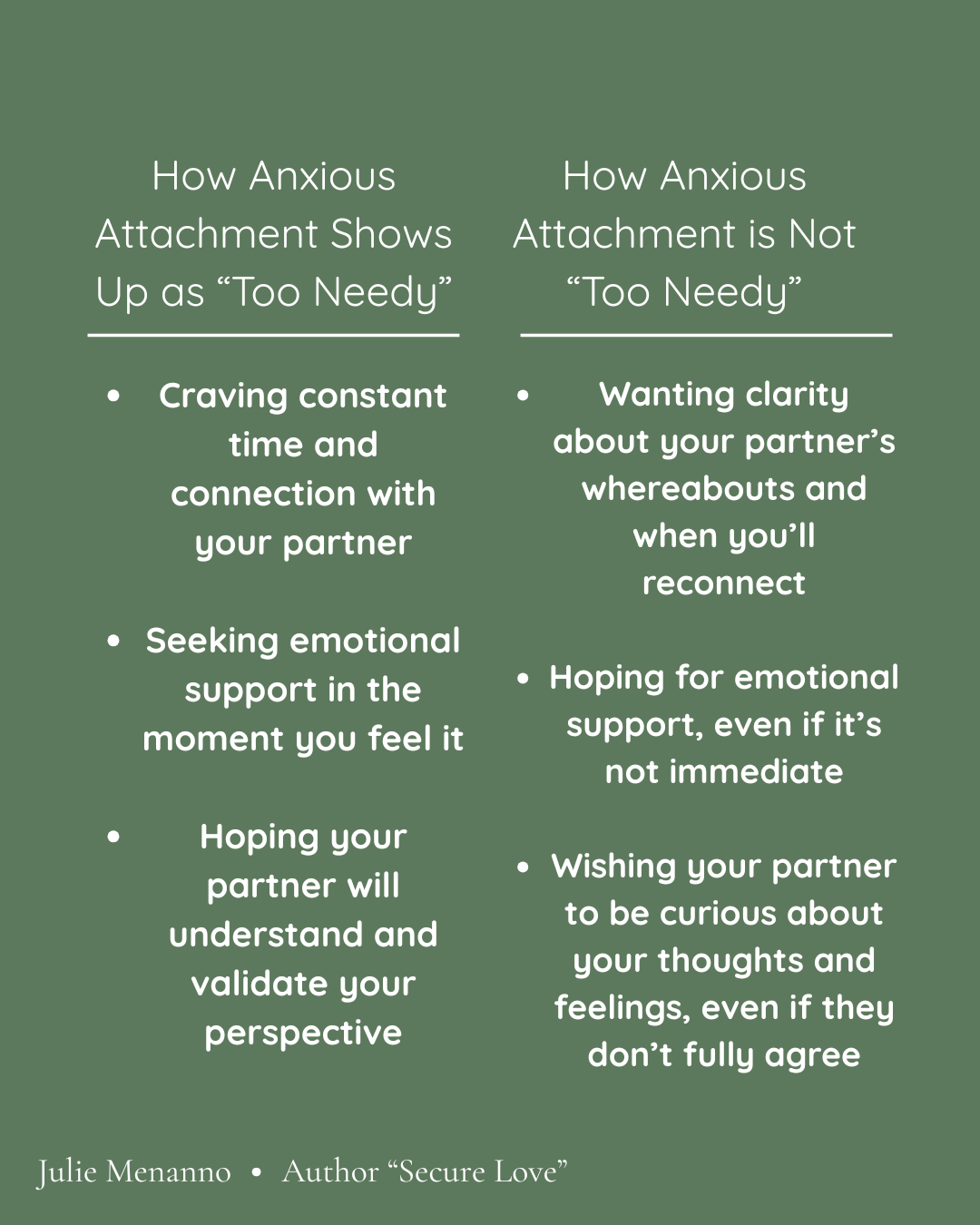







With Secure Learner, you’ll gain access to the full library of past group session recordings—over 80 episodes and counting. Each recording dives into attachment, negative cycles, shame, secure connection, and more. New recordings are uploaded after every live session, so you’ll always have fresh material to learn from. Go at your own pace, pause to reflect, and revisit as often as you’d like.
What secure attachment feels like
Secure attachment is not just something you think. It is something you feel.
It can feel like:
“I can relax into this relationship.”
“I matter here.”
“My feelings do not make me too much.”
“My partner and I can work through things.”
“Distance does not automatically mean danger.”
“I can be honest without feeling like honesty will destroy us.”
“I can need you without losing myself.”
“I can care for myself and still let you matter to me.”
“When something goes wrong, repair is possible.”
This is part of why secure attachment matters so much. It changes the body’s experience of relationship, not just the mind’s interpretation of it.
Common signs of secure attachment
You may relate to secure attachment if you tend to:
feel generally steady in close relationships
trust your worth even when there is temporary tension
ask for reassurance without collapsing into panic or shame
offer reassurance without feeling invaded by someone else’s needs
handle conflict without assuming it means rejection or failure
stay curious instead of becoming immediately defensive
communicate more directly about what hurts, what matters, and what helps
recover from misunderstandings with repair
value both closeness and healthy individuality
allow connection to deepen without needing to control it
This does not mean you never get triggered. It means being triggered does not fully take over the relationship.
What secure attachment is not
Secure attachment is not perfection.
It is not always calm.
It is not never feeling hurt.
It is not never needing reassurance.
It is not always saying the right thing.
It is not the absence of conflict.
It is not having no baggage.
It is not being endlessly patient.
It is not getting everything right in love.
Secure attachment is the ability to return.
Return to truth.
Return to responsiveness.
Return to repair.
Return to emotional safety.
A secure relationship still includes missed moments, stress, conflict, and human limitation. What makes it secure is what happens next.
How secure attachment develops
Secure attachment often develops when a person has repeated experiences of being responded to in ways that feel consistent, attuned, and safe.
This does not require perfect caregivers or perfect partners. It requires enough steadiness, enough responsiveness, and enough repair for the nervous system to learn:
“My needs matter.”
“Connection is available.”
“I can count on closeness without constantly bracing for loss.”
Secure attachment can begin in childhood, but it can also be strengthened later in life through self-work, healthier relationships, intentional practice, and repeated corrective experiences.
That matters because many people think secure attachment is something you either have or do not have. In reality, greater security can be built.
How secure attachment shows up in relationships
Secure attachment changes the emotional climate of a relationship.
In a more secure relationship, both people are more able to:
say what they feel without making the other person the enemy
hear feedback without immediately collapsing or attacking
tolerate temporary distance without spiraling
give space without creating abandonment
stay anchored during conflict
apologize and repair after hurt
respond to bids for connection more often
hold boundaries without withdrawing love
support individuality without fearing closeness
move through hard seasons without losing the bond completely
This does not mean secure couples never fight. It means the fight does not become more important than the relationship.
What secure attachment makes possible
Secure attachment makes room for a different kind of love.
It makes possible:
honesty without constant fear
closeness without engulfment
independence without emotional abandonment
conflict without relational collapse
tenderness without shame
repair without endless scorekeeping
trust without rigid control
vulnerability without immediate self-protection
emotional responsiveness without losing yourself
When security grows, love feels less like survival and more like connection.
What secure attachment needs
Even secure attachment has needs.
Security grows and stays strong when a relationship continues to make space for:
emotional responsiveness
consistency
repair
validation
warmth
accountability
honesty
trustworthiness
accessibility
mutual care
Secure attachment is not built by telling yourself not to need anything.
It is built by being able to name and respond to real human needs in healthier ways.
How secure partners tend to handle conflict
In conflict, secure attachment does not look like perfect self-control. It looks like enough regulation and enough care to protect the bond while dealing with the problem.
More secure partners tend to:
slow down instead of escalating immediately
speak from their experience rather than attacking character
stay connected to the softer feeling underneath the anger
remain open to influence
take responsibility for impact
repair after rupture
return to the conversation instead of abandoning it
look at the cycle, not just the surface issue
choose understanding before defensiveness
remember they are on the same team
Secure conflict is not conflict without emotion.
It is conflict with connection still in the room.
Secure attachment and individuality
One of the healthiest parts of secure attachment is that it allows both closeness and selfhood.
In secure attachment, you do not have to disappear into the relationship in order to feel loved.
You also do not have to distance from the relationship in order to feel free.
You can:
have needs without shame
have limits without punishment
be close without feeling consumed
have separate thoughts and emotions without fearing disconnection
belong to each other without owning each other
Security supports both intimacy and differentiation.
If you already have a more secure attachment style
If you are already relatively secure, this does not mean there is no more growth for you.
You may still need to learn how to:
stay secure when your partner is more activated than you
offer reassurance without overfunctioning
hold boundaries without becoming cold
repair more intentionally
understand your own subtler triggers
avoid complacency in the relationship
stay emotionally engaged during stress
deepen closeness, not just maintain stability
Security is not a finish line.
It is something you continue to practice and protect.
If you are growing toward secure attachment
What building more security looks like
As security grows, you may notice:
less panic during temporary disconnection
less shutdown when emotions rise
more ability to name what you feel
more direct communication
more trust in repair
less fear of needs
more comfort with closeness
more ability to stay present in hard moments
more confidence that conflict does not have to become collapse
more steadiness in your relationship with yourself
If your partner is securely attached
If your partner is more secure than you are, that can be deeply healing. It can also feel disorienting.
You may notice that they:
do not panic as quickly
are not as reactive to temporary distance
can hear feedback with less collapse or defensiveness
do not need to win in order to feel safe
can apologize without becoming flooded by shame
want to repair instead of getting stuck in the cycle
That steadiness can become a powerful resource in the relationship.
At the same time, a secure partner is still human. Their steadiness should not be used as a reason to place the full emotional burden of the relationship on them. Security is strongest when both people are willing to grow it.
If you are the more secure partner
If you are the more secure partner in the relationship, your role is not to save, fix, or carry everything. Your role is to bring steadiness without abandoning yourself.
That may mean:
staying warm without over-accommodating
validating without losing your own reality
holding boundaries without punishment
slowing conflict down without shutting it down
offering repair without taking all the blame
remembering that your security matters too
Practical tools for building secure attachment
-
Ask yourself:
What helps me feel safe in connection?
What happens in me when I feel disconnected?
How do I usually protect when I am hurt?
What would a more secure response look like here?
What am I needing that I can name clearly?
-
Try:
“Connection does not require perfection.”
“My needs do not make me too much.”
“Conflict does not automatically mean danger.”
“Repair is part of love.”
“I can tell the truth and still protect the bond.” -
Instead of asking only, “Who is right?”
Try asking:
“What helps us stay connected while we work through this?”
FAQs
-
No. While early experiences matter, secure attachment can also be strengthened later through healthier relationships, intentional self-work, repeated repair, and new emotional experiences.
-
No. Securely attached people still feel normal human emotions. The difference is usually in how those emotions are understood, communicated, and regulated.
-
Yes. Greater security can absolutely be built. Many people move toward secure attachment through awareness, relational healing, better communication, repair work, and support.
-
Yes. Relationships can become much more secure when both people learn to identify needs, understand their cycle, respond more clearly, and repair more consistently.
-
Sometimes it can feel unfamiliar if your nervous system is used to volatility, uncertainty, or intensity. But unfamiliar does not mean boring. Secure attachment often feels calmer, steadier, deeper, and more sustainable.
Resources for secure attachment
-
![Attachment 101 Course]()
Attachment 101 Course
A strong starting point if you want a grounded understanding of attachment, emotional patterns, and what security actually looks like in relationships.
-
![The Secure Love Podcast]()
The Secure Love Podcast
A helpful resource if you want to hear real relationship dynamics, attachment patterns, rupture, repair, and secure growth in a more lived and practical way.
-
![Julie’s Group]()
Julie’s Group
A strong fit if you want continued teaching, practical exercises, and regular support around building and maintaining secure connection.
-
![Understanding Shame Workshop]()
Understanding Shame Workshop
Security grows more easily when shame is no longer running the relationship from underneath. This is especially helpful if you understand the concepts but still struggle to feel safe enough to live them.
-
![Negative Cycle Workshop Series]()
Negative Cycle Workshop Series
Even secure or mostly secure relationships benefit from learning how to understand and interrupt negative cycles.
Part 1: Mapping Your Negative Cycle
Part 2: Interrupting Your Negative Cycle
Part 3: Repairing After a Negative Cycle or Rupture
Part 4: Healing Attachment Wounds
Part 5: Creating a Secure Relationship Dynamic
-
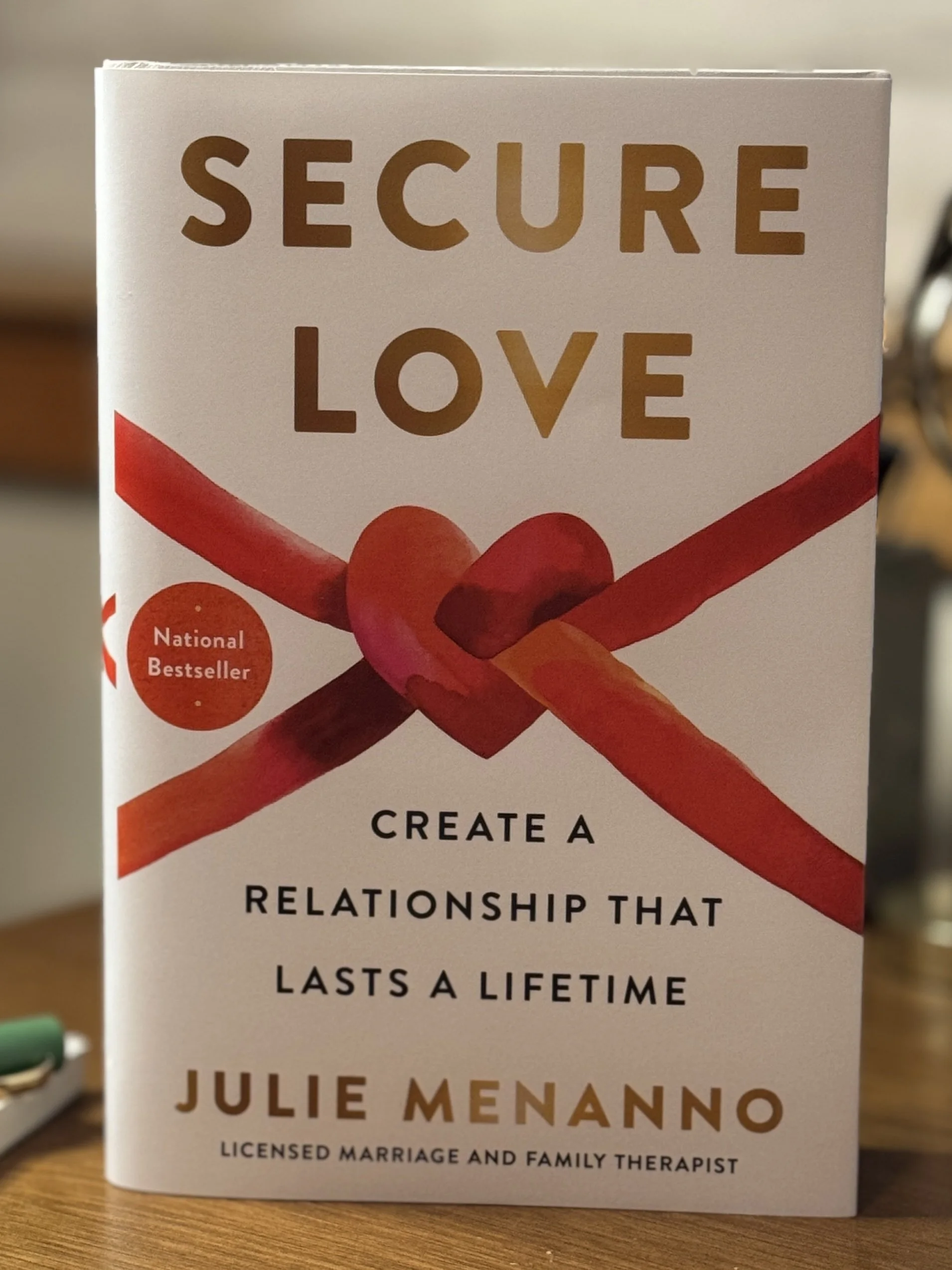
![Secure Love]()
Secure Love
If you already have a fairly secure attachment style, Secure Love can help you deepen the strengths you already bring into relationship. It will give you a clearer understanding of what creates lasting emotional safety, how to protect connection during stress or conflict, and how to repair in ways that make love even stronger. Rather than assuming secure attachment means you are done growing, the book helps you keep building a relationship that feels steady, responsive, and deeply connected.


LET’S GET STARTED
Having sex regularly can support emotional connection, relationship resiliency, and repair. When sex feels safe, mutual, and connected, it can help couples feel closer, more secure, and better able to move through life’s challenges together.