3 Tips to Help Your Anxious Partner Feel More Secure
Understanding Security in Relationships
Quick answer: You can help an anxious partner feel more secure by doing what you say you will do, validating their feelings before jumping to solutions, and openly sharing your own emotions. Anxious partners move toward security when their relational needs are met with consistency, validation, and emotional openness.
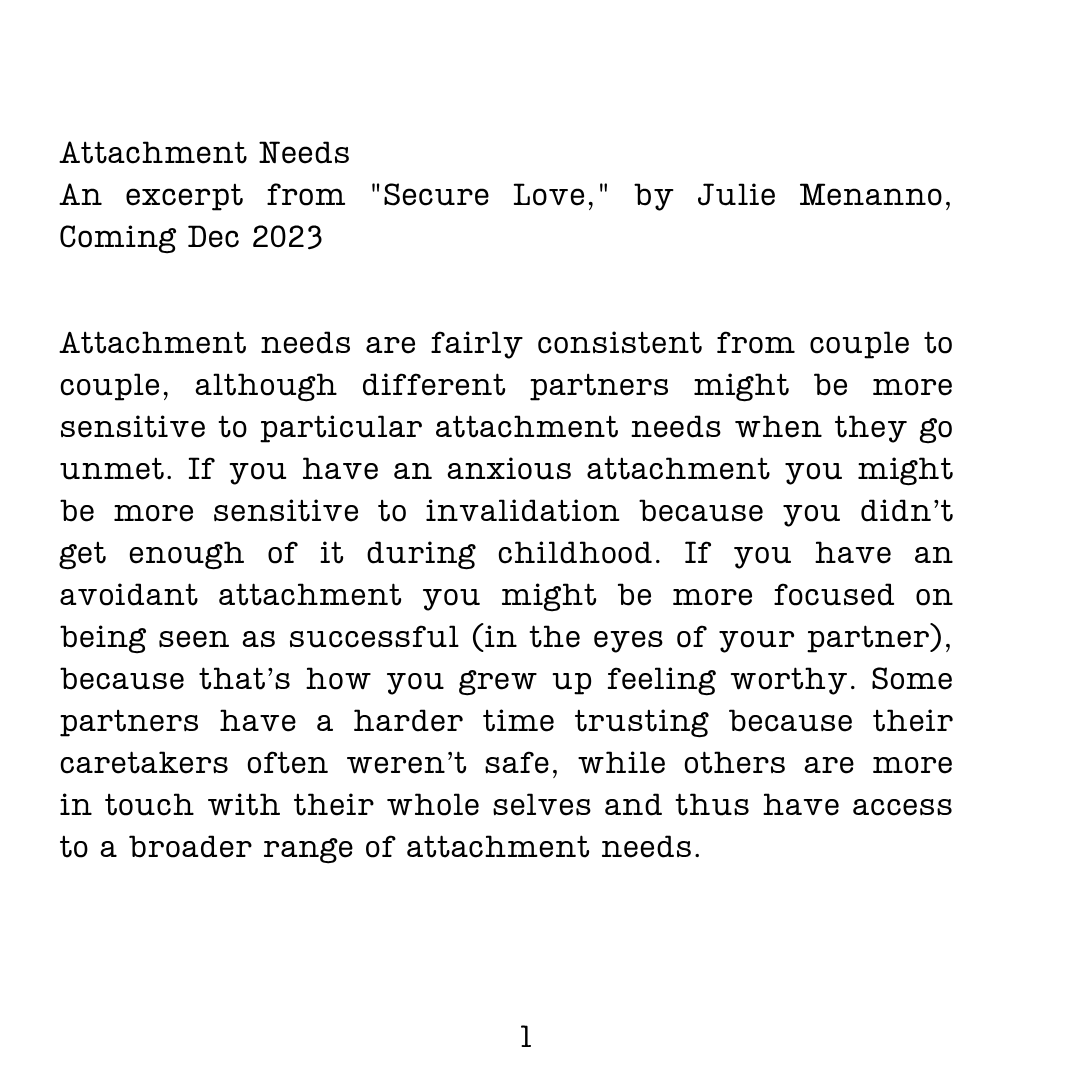
People move from insecure attachment to secure attachment when their needs are consistently met. While some of these needs are internal and require self-work, others are directly tied to the relationship. As a partner, you play a role in meeting those relational needs.
Here are three ways to help your anxious partner feel more secure:
1. Do What You Say You’re Going to Do
Anxious partners need predictability in relationships. It’s better to say "no" to a request than to say "yes" and not follow through.
Trust that they can handle a “no.” Avoid agreeing just to keep the peace—this creates more insecurity in the long run.
Follow through on commitments to build trust and stability.
2. Validate. Validate. Validate.
Anxious partners crave emotional validation. Before responding with solutions or defenses, acknowledge their feelings.
Try saying:
"It makes sense to me that you're frustrated. Let's just sit with that for a second. Tell me more."
"I hear you. I get why you feel this way."
Giving space for their emotions first makes them feel calmer and more open to hearing your perspective later—when the timing is right.
3. Talk About Your Feelings
Anxious partners feel safer when you share your emotional world with them. Emotional openness decreases their triggers and helps them feel closer to you.
Instead of saying:
"I was trying to help and you didn’t even notice."
Try:
"I want to be open to your feedback, but I get demoralized when I don't know if you can see my efforts to please you."
When you share your feelings, it fosters connection and helps your partner feel less alone.
Frequently Asked Questions
How do I make my anxious partner feel safe?
Be predictable and follow through on what you say, validate their feelings before offering solutions or defenses, and share your own emotional world so they feel less alone.
Is it better to say yes to keep the peace?
No. It is better to say no than to say yes and not follow through. Broken commitments create more insecurity for an anxious partner than an honest no.
Why does validation matter so much for anxious partners?
Anxious partners crave emotional validation. Acknowledging their feelings first helps them feel calmer and more open to hearing your perspective when the timing is right.
Resources for Strengthening Your Relationship
Secure Love by Julie Menanno for deeper insights into attachment and emotional connection.
The Attachment 101 Course to explore how attachment impacts relationships.
Julie’s Group for live discussions on relational dynamics.
Coaching Sessions for personalized support in improving communication and connection.
“Security in relationships isn’t about perfection—it’s about consistency, validation, and emotional openness.”