
Attachment Based Relationship Tips
Practical, attachment-based tools from therapist Julie Menanno. Understand your patterns, calm the conflict, and build real emotional safety with your partner.
Browse by topic
New here? Start with these


You Deserve Help With Your Feelings: Getting Vulnerable
Before you can find comfort, you must believe you deserve it. Learn why we block vulnerability and how we learned to treat our own feelings.
Are You Strong Enough to Feel Your Feelings?
When your partner can't show up, grief work is the way through. Therapist Julie Menanno walks anxious partners through leaning into the hurt to find calm.
What Does Reparenting Have to Do With Secure Attachment? (And How Do You Do It?)
Reparenting means giving yourself what you needed and didn’t receive back then. Here’s how it builds self-regulation, secure attachment, and closer relationships…. plus six practical places to start.
Anxious Attachment: What to Do When Your Partner Isn't Changing
You have an anxious attachment and your partner isn't changing. Learn the grief work that helps you show up for yourself, self-regulate, and find calm and empowerment.
What Emotional Integration Really Means in Relationships
Emotional integration helps you hold multiple inner experiences at the same time instead of bouncing between anger, shame, fear, or protest. When you can make space for the full experience, your relationship responses can become more grounded, clear, and secure.

How to Handle Relationship Triggers: A Practical Toolbox
When your partner triggers you, the urge to react can take over fast. This relationship trigger toolbox helps you slow down, regulate your nervous system, understand what is happening inside you, and communicate in a healthier way that supports emotional safety and connection.

Anxious Attachment, Codependency, and the Work of Healing
Anxious attachment and codependency are not flaws or weaknesses. They are nervous system strategies developed to manage pain and feel safe. Healing begins when feelings are allowed instead of acted out.

Toxic vs. Healthy Anger: The Difference Between Reactivity and Assertiveness
Anger can divide or connect—depending on how it’s expressed. This post shows the difference between reactive and assertive anger and how to use it for deeper connection.

Why Your Partner's Bad Mood Triggers You, and How to Deal With It
When your partner is in a bad mood (grumpy, withdrawn, or moody), it can trigger panic and protest. Learn how to deal with a partner's mood swings, regulate your own reaction, and stay connected, from therapist Julie Menanno.

How Personal Anxiety Can Impact Your Relationship
Trying to control your environment—like keeping a spotless house—can sometimes be a way to manage inner anxiety caused by relationship disconnection. But when that strategy backfires, it can create more of the very disconnection you’re trying to avoid. This post explores how personal anxiety shows up in relationships, and how couples can break the cycle.

Validating Anger: For Yourself and Your Partner
Anger is not the problem—how we respond to it is. Learning to validate your own anger and your partner’s can lead to emotional regulation, deeper understanding, and stronger communication.
What Is Your Sense of Self?
A strong sense of self allows you to move through life with confidence, authenticity, and emotional resilience. Learn how to develop a deeper connection to yourself, accept your flaws, and build more fulfilling relationships.

Splitting vs. Integrating: How to Shift from Extreme Thinking to Balanced Perspectives
Understanding the difference between splitting and integrating can help you develop a healthier, more balanced perspective in relationships. Learn how to move from extreme thinking to a more integrated way of seeing yourself and your partner.

Your “Window of Tolerance”
Your window of tolerance is your internal safe space for emotional balance. Learn how to find and stay in this space to improve your well-being, regulate emotions, and build healthier relationships.

How Anger Shows Up in Anxious Attachment, and What Is the Work?
Anger can feel overwhelming and frequent if you have anxious attachment. Learn how this response is rooted in vulnerability, fear, and past wounds, and discover strategies for healing and assertiveness.

The Anatomy of a Trigger (and How to Do Something New)
Explore the anatomy of a trigger and how vulnerability can transform conflict into emotional safety and connection.

Taking Breaks from Arguments
Learn how taking breaks during arguments can improve communication and create emotional safety for both anxious and avoidant partners.

Feeling Triggered In Your Relationship?
Feeling triggered in your relationship? Learn these five steps: look inward, self-regulate, balance your perspective, assess timing, and follow through.

How to Help Soothe Your Distressed Partner
Discover how to support your distressed partner effectively with self-regulation, validation, and timing, creating a safer emotional environment for both of you.
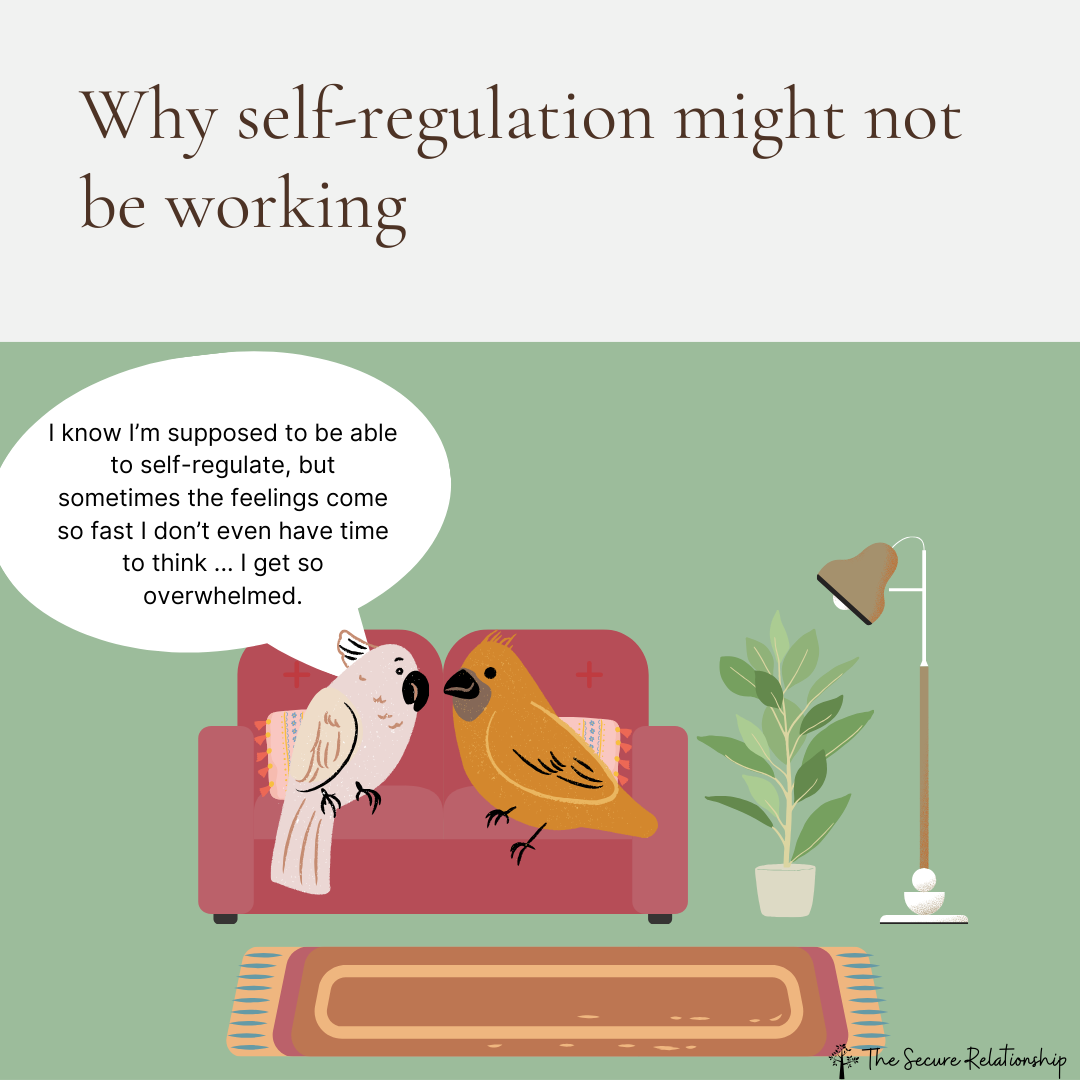
Why self regulation might not be working
Discover why self regulation might feel out of reach, the barriers that hinder it, and actionable steps to build emotional resilience and connection.