
Attachment Based Relationship Tips
Practical, attachment-based tools from therapist Julie Menanno. Understand your patterns, calm the conflict, and build real emotional safety with your partner.
Browse by topic
New here? Start with these


What Are Attachment Ruptures?
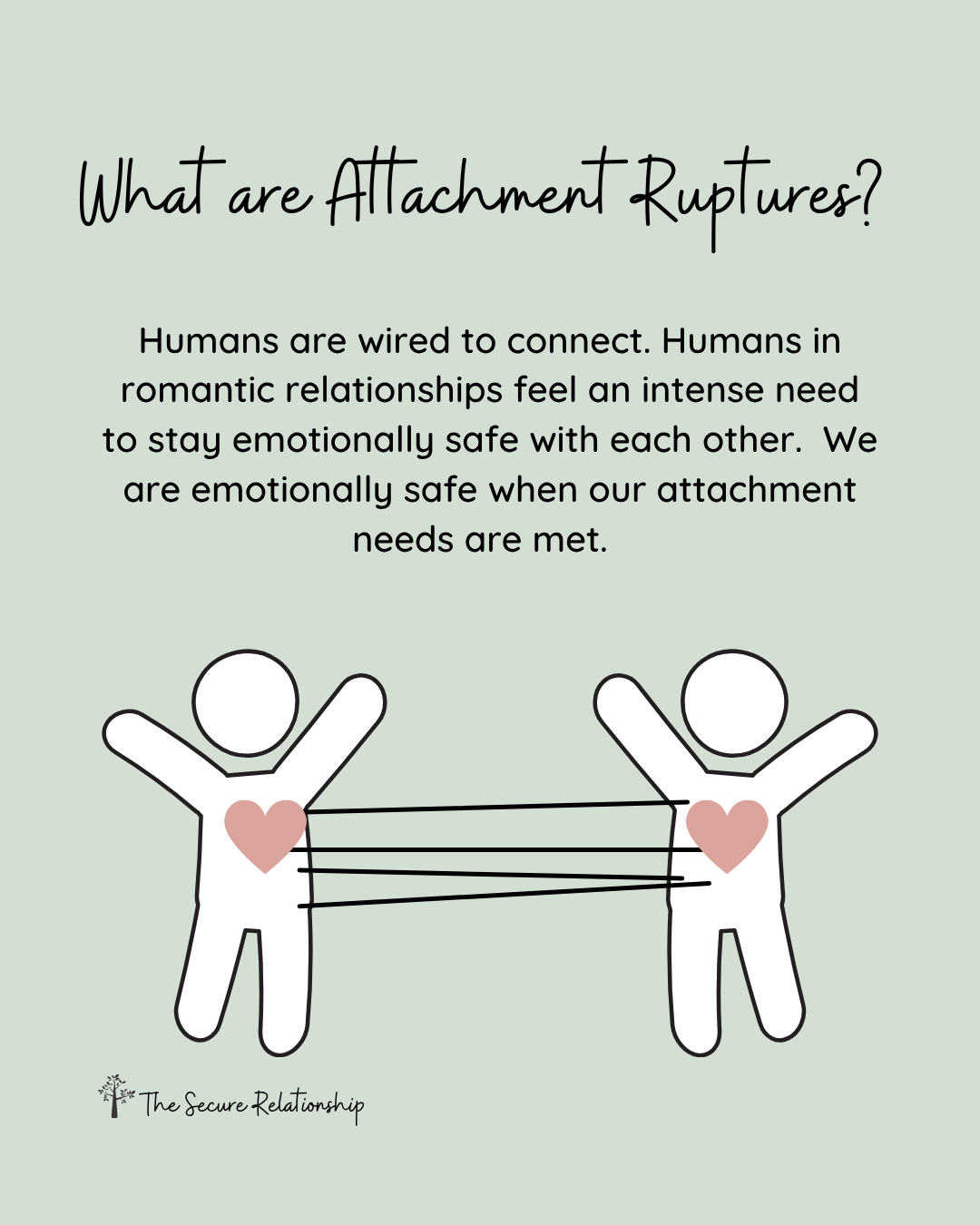
Attachment ruptures are normal in romantic relationships. When partners understand the attachment needs underneath conflict and learn to repair along the way, the relationship can become stronger and more secure.
What Emotional Integration Really Means in Relationships
Emotional integration helps you hold multiple inner experiences at the same time instead of bouncing between anger, shame, fear, or protest. When you can make space for the full experience, your relationship responses can become more grounded, clear, and secure.
5 Reasons Having Sex Regularly Is Good for Your Relationship
Having sex regularly can support emotional connection, relationship resiliency, and repair. When sex feels safe, mutual, and connected, it can help couples feel closer, more secure, and better able to move through life’s challenges together.
What Makes a Relationship Thrive (and What Makes It Fail)
Most relationships don’t break because love disappears. They break because emotional safety disappears—usually through unmet attachment needs, unhealed wounds, and negative cycles that keep partners from finding each other again.

Chapter 9: Attachment Injuries and Repair
In Chapter 9 of Secure Love, we explore attachment injuries—what they are, how they form, and what it takes to repair them. These moments of relational pain shape our protective strategies, but they also offer an opportunity for deeper connection if we’re willing to stay emotionally engaged.

Chapter Eight: Repairing After the Cycle
Repairing after a negative cycle is one of the most powerful skills in a relationship. In Chapter Eight of the Secure Love Book Club, Julie Menanno guides readers through the process of emotional repair—what it looks like, why it’s hard, and how to make it meaningful.
Attachment Needs & Fears
Every partner has attachment needs that support emotional safety. Learn how unmet needs and fears drive disconnection—and how to move back toward security.

After the Fight: 3 Options That Shape Your Relationship
After a fight, couples often choose between self-abandonment, protest, or repair. This post breaks down the three paths and helps you choose connection over disconnection.

When I'm Sorry Isn't Enough: Repairing Trust Beyond Apology
Saying 'I’m sorry' isn’t always enough. Learn how to truly repair trust by understanding, validating, and committing to change in your relationship.