
Attachment Based Relationship Tips
Practical, attachment-based tools from therapist Julie Menanno. Understand your patterns, calm the conflict, and build real emotional safety with your partner.
Browse by topic
New here? Start with these

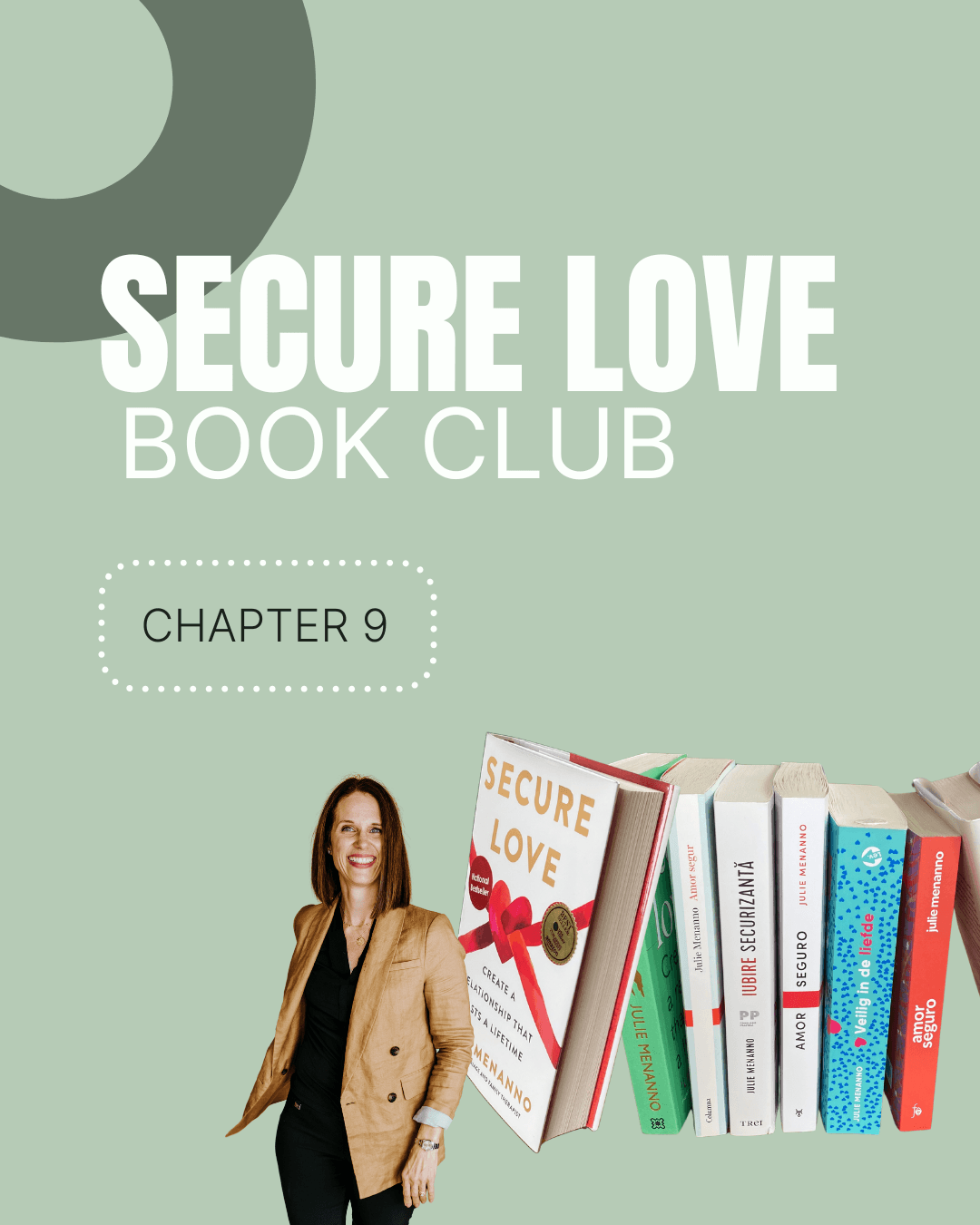
Chapter 9: Attachment Injuries and Repair
In Chapter 9 of Secure Love, we explore attachment injuries—what they are, how they form, and what it takes to repair them. These moments of relational pain shape our protective strategies, but they also offer an opportunity for deeper connection if we’re willing to stay emotionally engaged.

Unmet Childhood Attachment Needs: How Early Experiences Shape Adult Relationships
Many struggles in adult relationships trace back to unmet attachment needs from childhood. Explore how early emotional experiences shape your reactions, defenses, and patterns—and what healing can look like.
How to Know If You’re Healing or Just Accommodating Your Wounds
Understanding whether you are truly healing your wounds or merely accommodating them can be challenging. Healing involves sitting with your pain and supporting yourself, while accommodating often means avoiding the pain altogether.

How Disorganized Partners Can Feel Safe in Relationships
Disorganized attachment can create intense emotional highs and lows in relationships. For these partners to feel safe, they need emotional validation, understanding, clear boundaries, and a partner committed to self-care and honest communication.

Why Do Avoidant Attached Partners Do That?
Understanding why avoidant partners engage in behaviors like appeasing, shutting down, or defending themselves is key to breaking negative cycles. Learn how to transform these behaviors and build a more secure relationship.

Why Do Those with Anxious Attachment Do That?
Anxious attachment behaviors often stem from deep fears of abandonment. Learn why these behaviors feel safe and how to shift toward healthier relationship patterns.

How to Heal Attachment Wounds and Rebuild Trust
Attachment wounds can deeply impact trust, but with openness, positive experiences, and healing communication, relationships can recover and thrive."

Disorganized Attachment: Signs, Causes, and How to Heal
Disorganized attachment is what happens when your nervous system wants closeness and fears it at the same time. This guide explains the signs of disorganized attachment in relationships, why it develops, and the practical steps that help you move toward security.