
Online Attachment Theory Courses and Workshops
Hosted By: Julie Menanno MA, LMFT, LCPC

The Negative Cycle Series is a 5-part, step-by-step path to help you understand why you and your partner keep getting pulled into the same fight, and what to do differently when it starts. You will learn how to map your cycle, identify the attachment fears driving it, interrupt it in real time, repair after rupture, and build a more secure relationship dynamic that lasts. This is the work that turns conflict into clarity, and distance into connection.
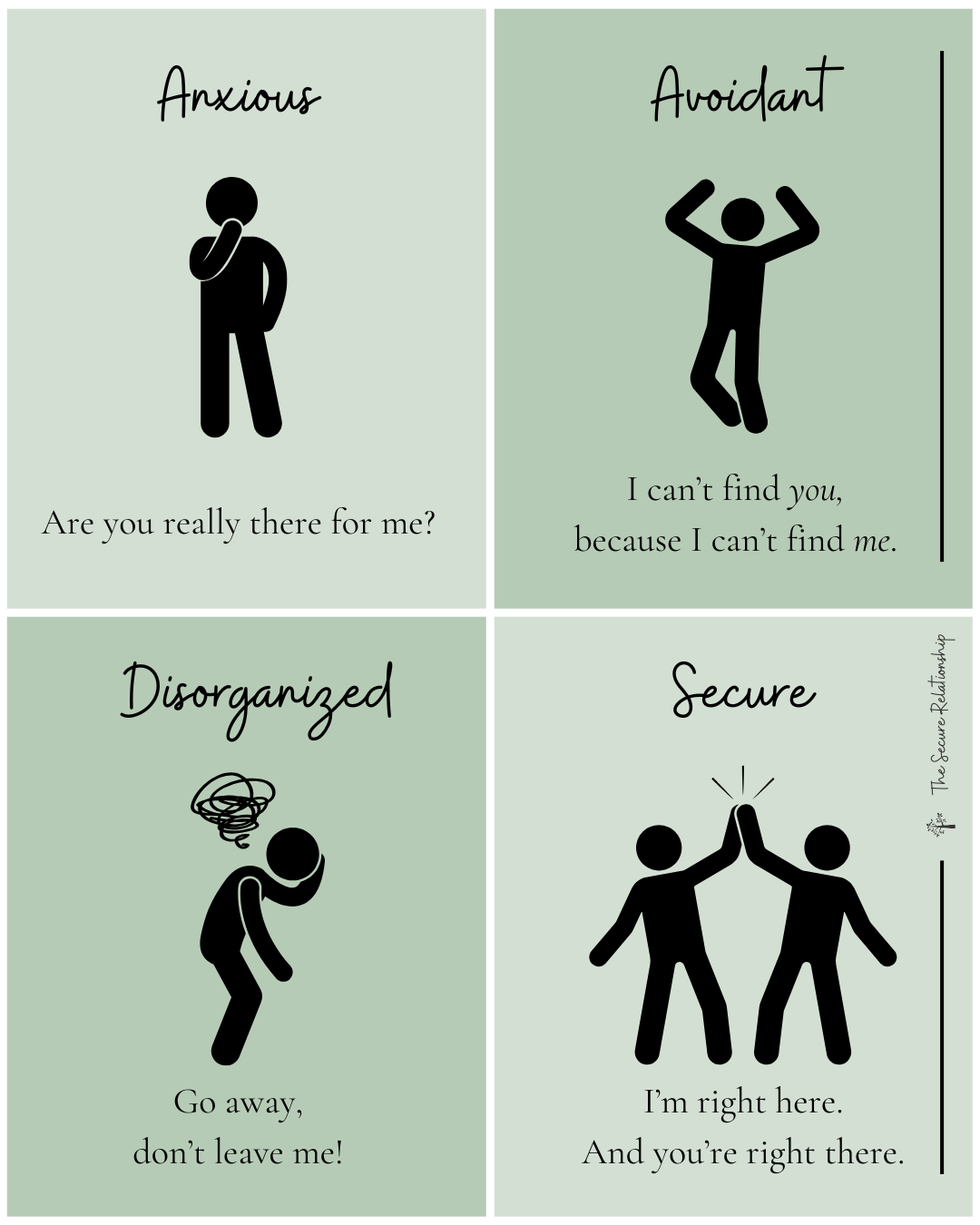
This course is for anyone who’s ever wondered why their relationships feel stuck, why certain emotions keep showing up, or how to build stronger, healthier connections. Whether you’re figuring things out on your own and want to better understand yourself or you're wanting to deepen your bond with a partner this course will help you.
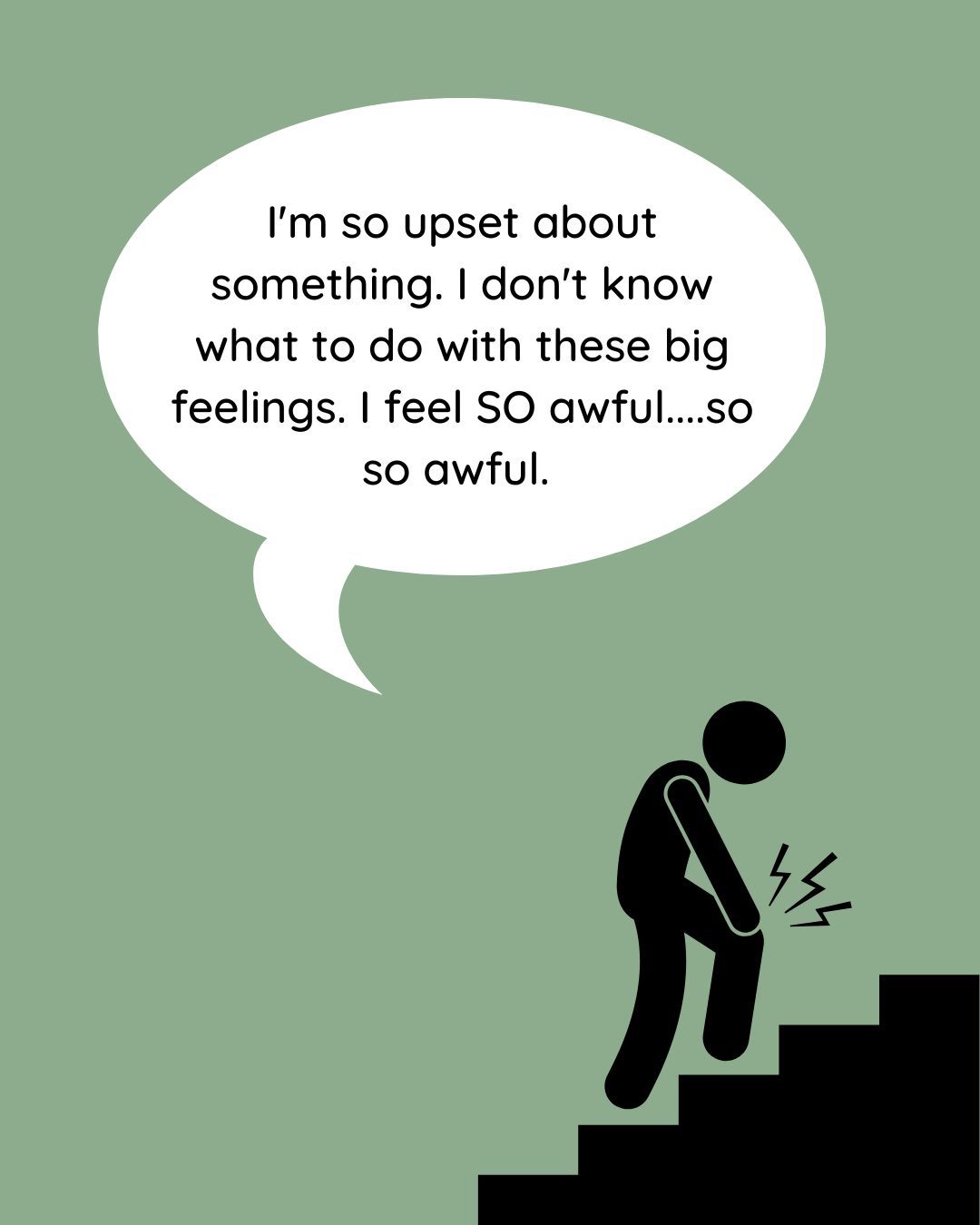
This workshop isn’t just about understanding shame, it’s about transforming how you engage with yourself and those you care about. Whether you're navigating shame as an individual or within your relationship, you'll gain practical strategies to break negative patterns and create stronger, more meaningful connections.
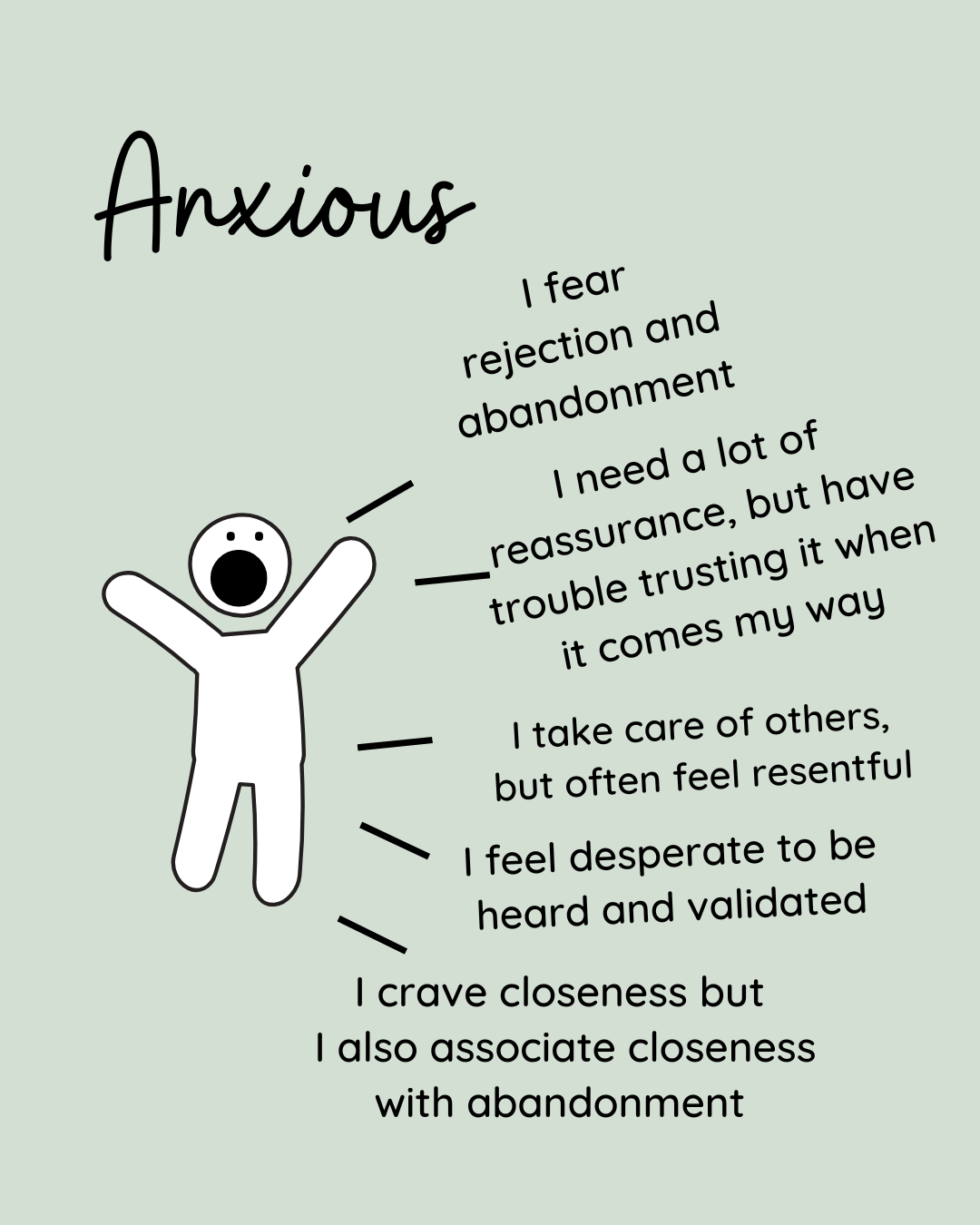
If you feel sensitive in relationships, scan for signs of disconnection, or spiral into protest and panic when you don’t feel close, this course is your starting point for healing. In this self-paced course, Julie Menanno guides you through the deeper emotional work required to stop self-abandoning and start showing up for your own needs, so connection can feel safe again. You’ll learn how anxious attachment develops, how it shows up in adult relationships, and how to build secure self-support,
Negative Cycle Workshop Series Parts 1-5
-
If you feel stuck in the same fight on repeat, it’s usually not about the topic, it’s about the pattern. In Part 1, Julie guides you through how to recognize your negative cycle, map the steps as they happen in real life, and understand what’s driving each person underneath the surface, so you can stop blaming each other and start seeing the cycle as the problem.
-
Insight is powerful, but it’s hard to access when you’re activated. In Part 2, Julie teaches you how to catch the early moments of your cycle, slow it down in real time, and make new moves that protect connection instead of escalating conflict, so you can stay emotionally reachable even when you’re triggered.
-
Even the best couples get it wrong sometimes, the difference is they know how to come back together. In Part 3, Julie walks you through what real repair looks like after a rupture, including accountability without shame, emotional validation on both sides, and the steps that rebuild trust and safety so resentment doesn’t quietly pile up.
-
Some fights are about the present, but others are old pain getting activated again. Attachment wounds happen when we reach for our partner and experience disconnection, rejection, abandonment, betrayal, or emotional aloneness. In Part 4, Julie teaches you how to identify the wound underneath your cycle, how to talk about it without blaming or collapsing into shame, and how to create the kinds of moments that rebuild safety and trust over time.
-
A secure relationship isn’t one where you never get triggered, it’s one where you know how to find each other again. In Part 5, Julie guides you through the core ingredients of a secure relationship dynamic, emotional safety, accessibility, responsiveness, and repair. You’ll learn what to practice in the everyday moments so connection becomes your default, not something you only reach for when things are falling apart.















When your partner brings a concern to you, your nervous system may hear more than the words they are saying. Learn how to stay emotionally present, understand the fears that pull you away, and listen without abandoning your own needs or boundaries.
When your partner brings a concern to you, it can be surprisingly difficult to stay emotionally present. Even when you love them deeply and want to understand their experience, your nervous system may interpret the conversation as a threat.
You might immediately start thinking about everything they have done wrong. You might freeze, shut down, defend yourself, or try to end the conversation as quickly as possible. This does not necessarily mean you do not care. Often, it means something inside of you is scared.
What Makes It Hard to Lean In?
In this Secure Relationship Group meeting, Julie explores the fears that commonly block partners from being able to listen, understand, and respond when the other person is distressed.
You may be afraid that:
Your needs will be forgotten if you focus on your partner’s feelings.
Listening to their concern will send you into shame.
The conversation will go on forever.
You will say the wrong thing and make everything worse.
Understanding their perspective means you have to agree with them.
These fears are often rooted in earlier experiences. A concern from your partner may quickly start to feel like evidence that you are failing, that you are not good enough, or that the relationship is no longer safe.
Listening Does Not Mean Abandoning Yourself
Leaning in does not mean tolerating cruelty, ignoring your boundaries, or agreeing to something that does not work for you.
It can sound like:
It can also sound like:
Feeling Heard Creates Space for Reflection
When people feel understood, their nervous systems often begin to settle. They become more open to self-reflection, accountability, and repair. You do not always need to correct your partner immediately. Sometimes the most powerful first step is to make space for their experience.