
Attachment-Based Tools, Courses & Coaching
Attachment Styles
in Relationships
Understand why you connect, react, and seek closeness the way you do — and learn how to move toward secure, lasting connection with attachment-based tools, courses, and coaching from therapist Julie Menanno.


National Bestselling Book
1.5M+ Followers

800K Podcast Downloads
What are attachment styles?
Attachment styles are the patterns of how you connect, respond to closeness, and react to conflict in relationships. There are four: secure, anxious, avoidant, and disorganized. They form in early childhood and shape your adult relationships — but they are not fixed. With the right understanding and support, you can move toward secure attachment.
“Attachment insecurity is on a spectrum… the degree to which someone has an insecure attachment is likely the degree to which their partner will also have an insecure attachment.”
— Julie Menanno, Secure Love
Does this sound familiar?
You feel anxious and clingy when your partner pulls away — and you hate it.
You shut down or need space the moment things get too close.
You keep ending up in the same painful dynamic, relationship after relationship.
You love each other, but you feel more like roommates than partners.
You want closeness, but part of you is afraid of it.
If any of these land, your attachment style is likely at the root. The good news: once you understand it, you can change it.

The Four Patterns
The 4 Attachment Styles
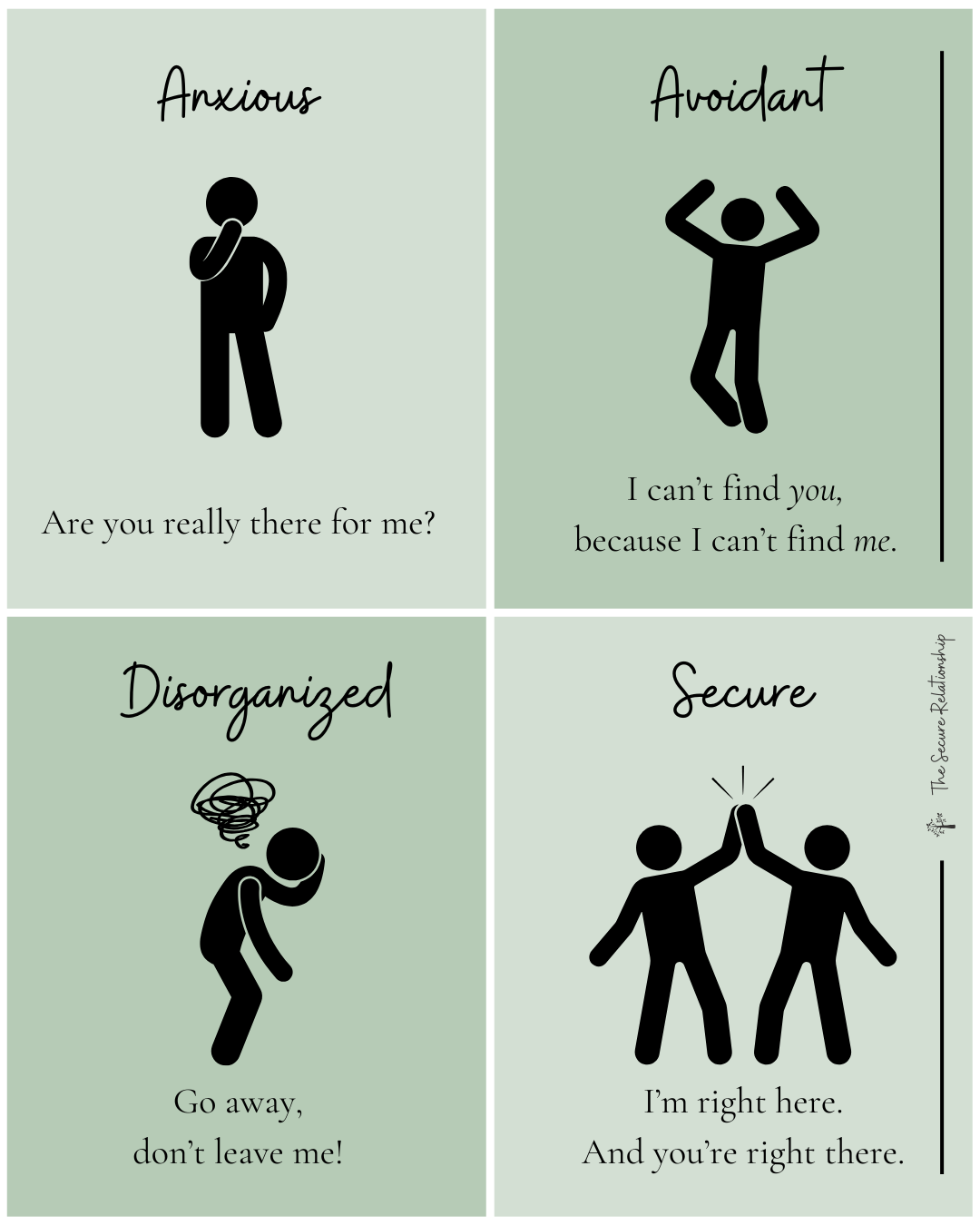
There are four main attachment styles. Most people lean toward one, though it can shift under stress or in different relationships.
-
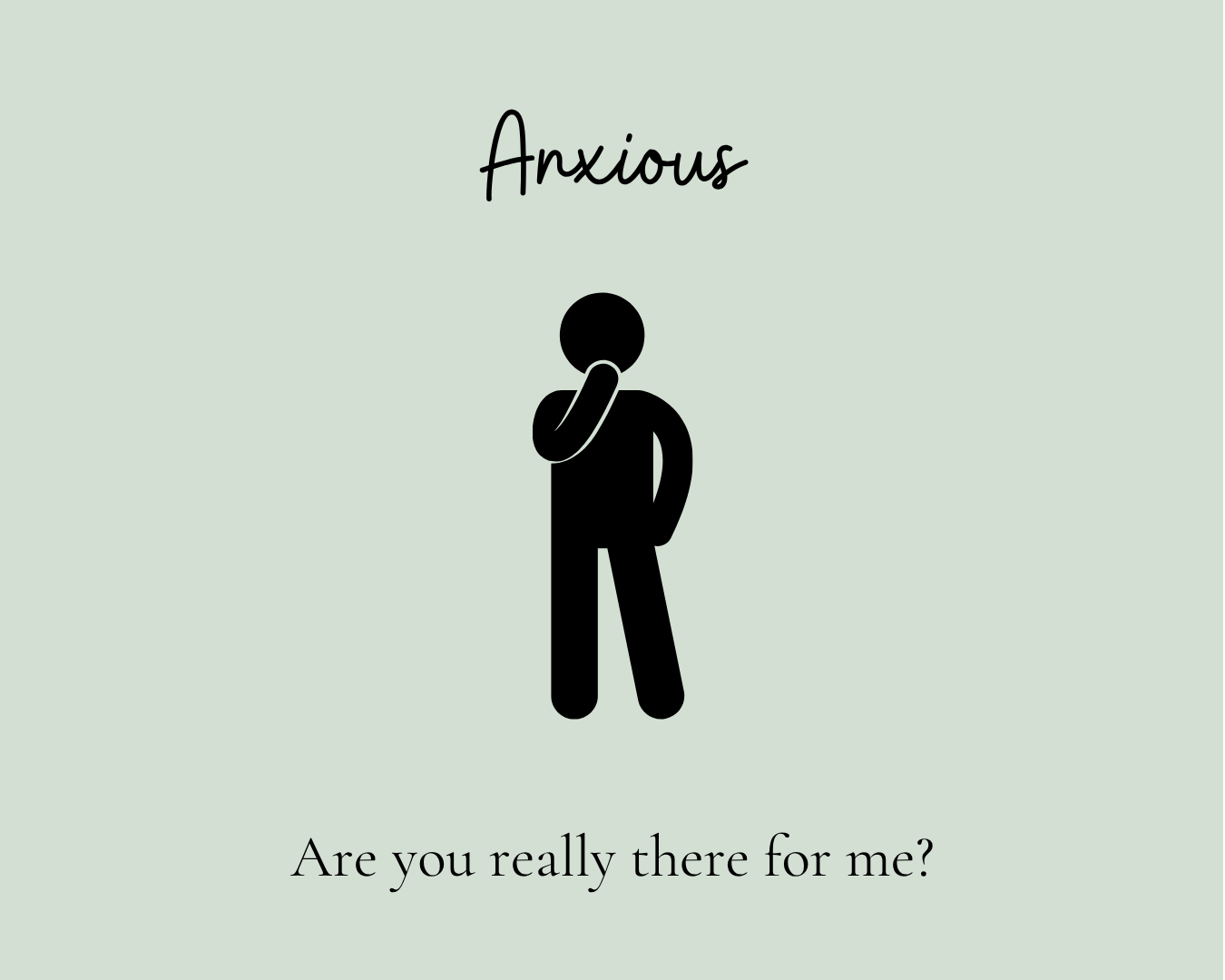
Anxious Attachment
Beneath this style is often a deep longing for closeness and a heightened sensitivity to disconnection. Someone with an anxious attachment style may reach for reassurance, protest when connection feels threatened, and struggle to fully trust love even when it is there, because responsiveness has not always felt steady or lasting.
-
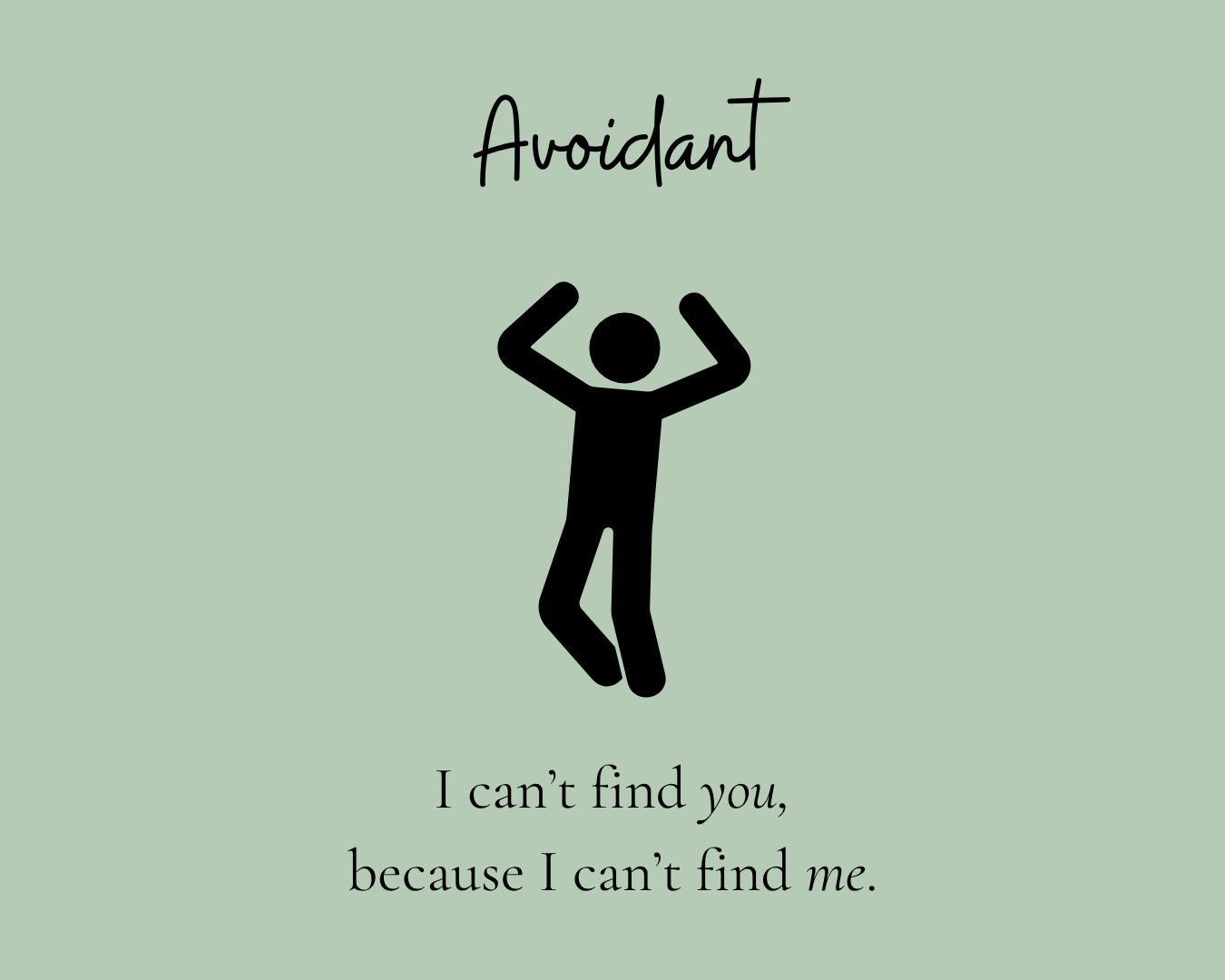
Avoidant Attachment
For people with this style, self-protection often looks like distance, independence, or staying in logic instead of emotion. Someone with an avoidant attachment style may care deeply about connection, but closeness can also feel exposing or overwhelming, especially when it brings up fears of pressure, failure, or not getting it right.
-
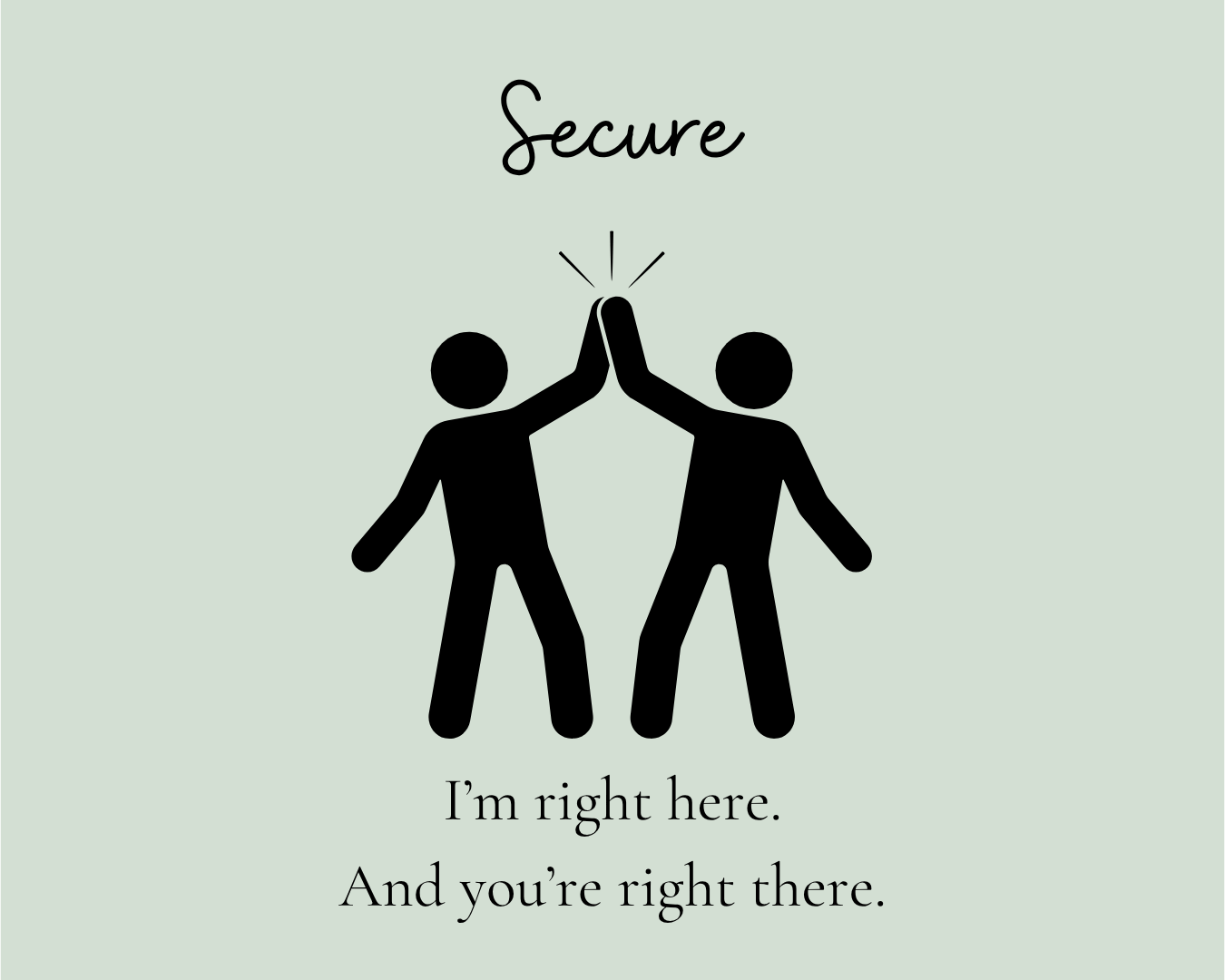
Secure Attachment
At their core, people with a secure attachment style tend to experience closeness as safe, mutual, and grounding. They can stay connected to their feelings, communicate their needs, and remain present with a partner during hard moments without losing themselves in the process.
-
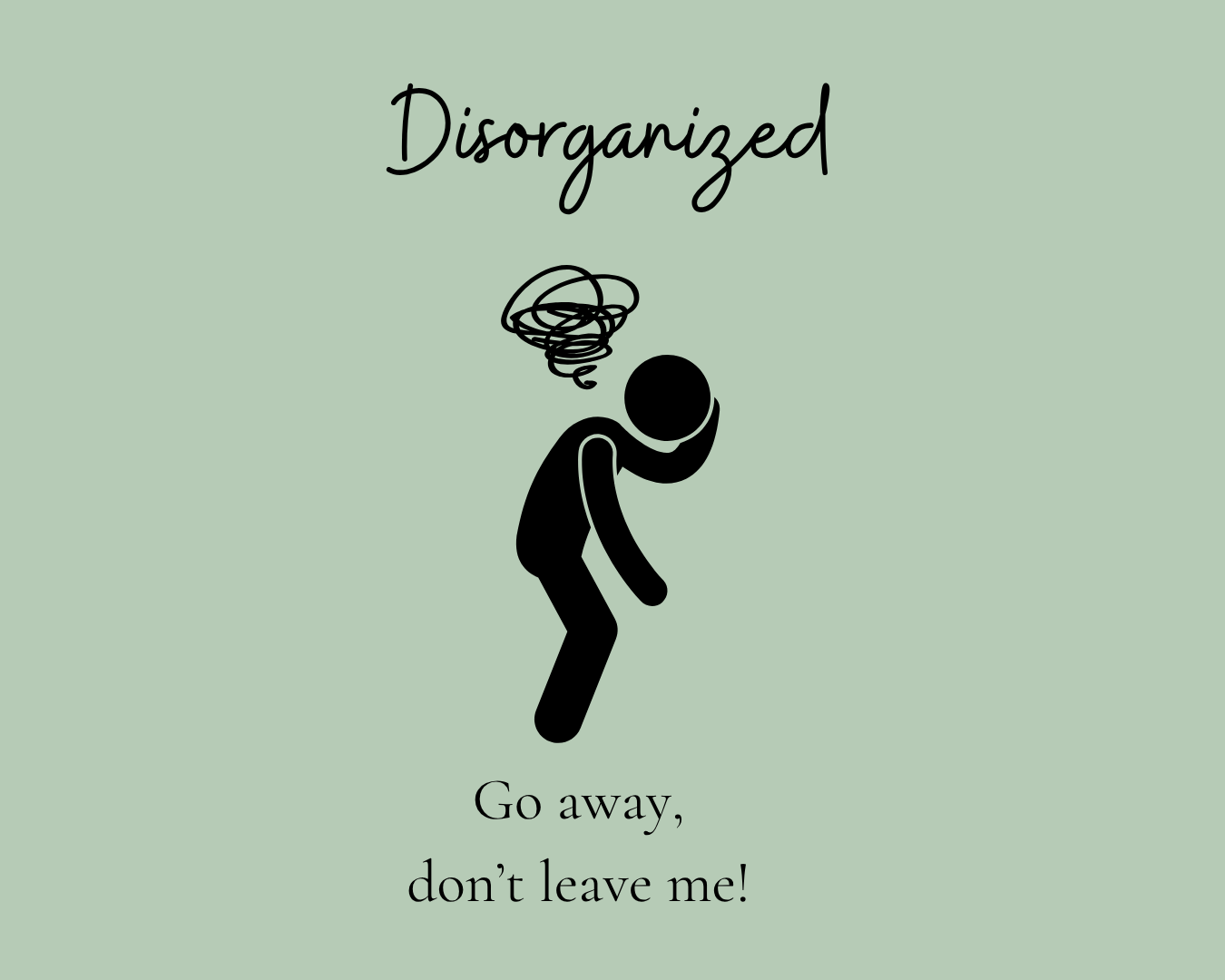
Disorganized Attachment
Within this style, the desire for closeness and the fear of it often live side by side. Someone with a disorganized attachment style may feel intense inner conflict in relationships, moving between reaching for connection and pulling away from it, especially when fear, rejection, or mistrust gets activated.
The Foundation
What is attachment theory?
Attachment theory began with John Bowlby and Mary Ainsworth's research on how we seek closeness and safety, starting in childhood. How your early caregivers responded to your needs taught your nervous system what to expect from connection — and you carry that template into adult relationships.
Attachment is not about blame, and it is not a life sentence. It is a compassionate starting point for understanding your patterns.
In Real Relationships
How attachment styles show up
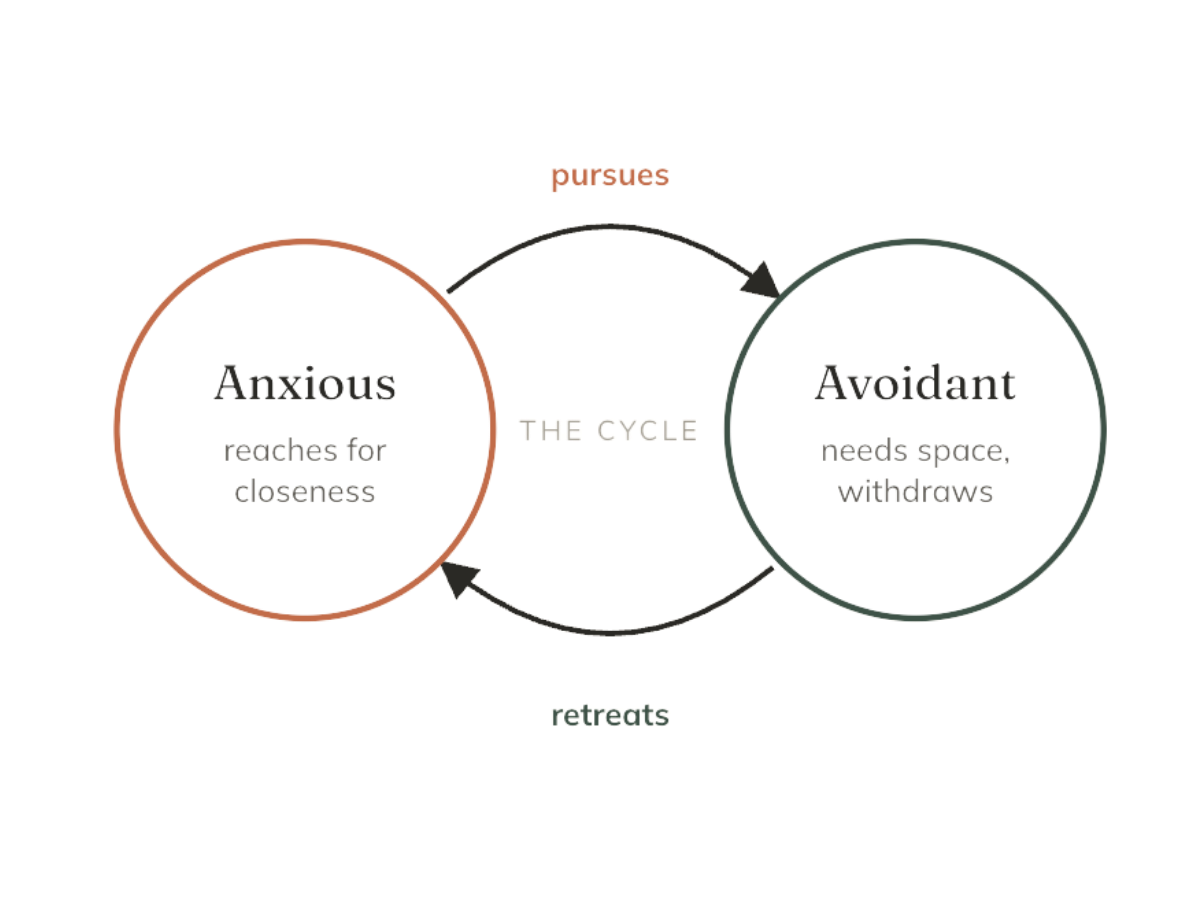
Your attachment style shows up most in moments of stress and disconnection. The most common painful pattern is the anxious-avoidant dynamic: one partner pursues closeness, the other withdraws — and the more one reaches, the more the other retreats.
This is not a sign you are wrong for each other. It is a negative cycle, and it can change once you understand the attachment needs underneath it.
How We Help You Change
You are not stuck with the
attachment style you have
Attachment styles are patterns, not permanent traits. You can move toward earned secure attachment — and we'll show you how, step by step.
1
Find your style — free
Take the Attachment Style Quiz for personalised insight into your patterns.
2
Understand the why
Our Attachment 101 course breaks down your patterns and gives you concrete tools.
3
Build secure connection
Work with an attachment-trained coach, one-to-one or in a group today.
Why The Secure Relationship
Therapist-led. Evidence-based.
Built for real change.

Therapist-led and evidence-based
Founded by Julie Menanno, MA, LMFT, LCPC, a licensed couples therapist. Attachment- and EFT-informed — not generic tips.
A path for every stage
From free resources to courses, groups, and one-to-one coaching — wherever you are in the journey.
A proven approach
The national bestseller Secure Love, a 1.5M+ community, and 800K+ podcast downloads — reaching people in over 100 countries.

Meet Your Guide
Julie Menanno, MA, LMFT, LCPC
Julie is a licensed marriage and family therapist trained in Emotionally Focused Therapy for couples, and the founder of The Secure Relationship. She built a global coaching practice and a community of over a million people around one idea: secure connection can be learned.
Her work translates attachment theory into language and tools you can actually use with your partner.
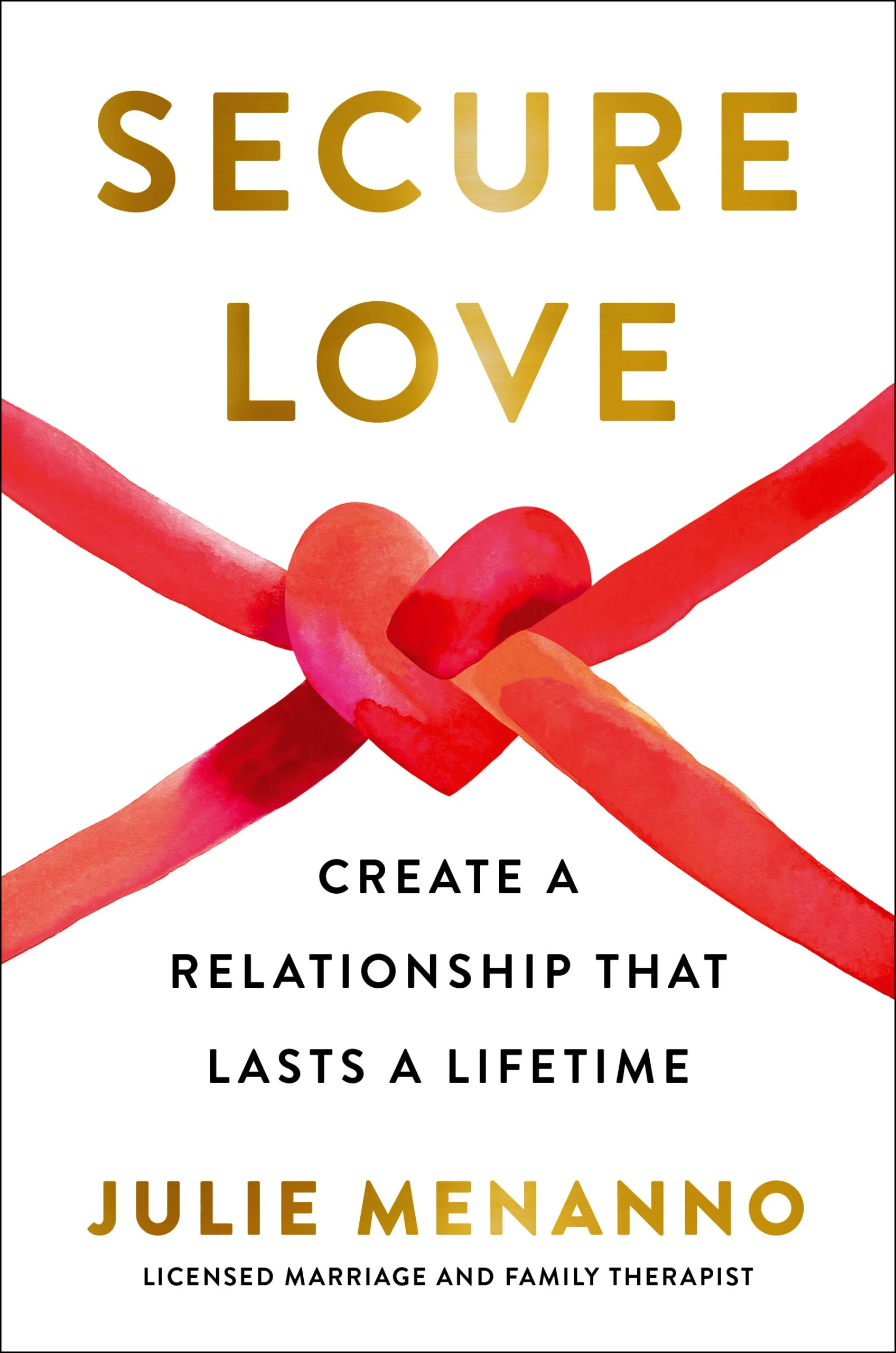
Secure Love — the national bestseller from Simon & Schuster, translating attachment theory into everyday scripts and tools.
Start Here — It's Free
What is my attachment style?
The fastest way to understand your patterns is to find your style. Take the free Attachment Style Quiz and get personalized insight into how you connect, where your patterns come from, and your next step toward secure love.
Takes about 3 minutesWhat our community is saying
Real words from people who've used these tools to build more secure relationships.

The Next Step
Ready to build a more
secure relationship?
Self-Paced Course
Attachment 101 - $39
From mystery to mastery: your relationship explained. Includes the Attachment Style Quiz, over an hour of expert video, and exercises.
Work with a Coach
1:1 & Group Coaching
Work with an attachment-trained coach on your specific relationship — individually or in a group setting built for connection.
-
The four are secure, anxious, avoidant, and disorganized (fearful-avoidant). Each describes a different pattern of responding to closeness and conflict.
-
Secure attachment is the most common, though a large share of people have an insecure style, especially under romantic stress.
-
It forms in early childhood, based on how consistently caregivers met your needs, and is reinforced or reshaped by later relationships.
-
Disorganized (fearful-avoidant) is the least common, developing from early environments that felt both comforting and frightening.
-
Take the free Attachment Style Quiz for personalised insight.
-
Disorganized (fearful-avoidant) is the least common, developing from early environments that felt both comforting and frightening.
Frequently Asked Questions
Posts about Attachment Styles
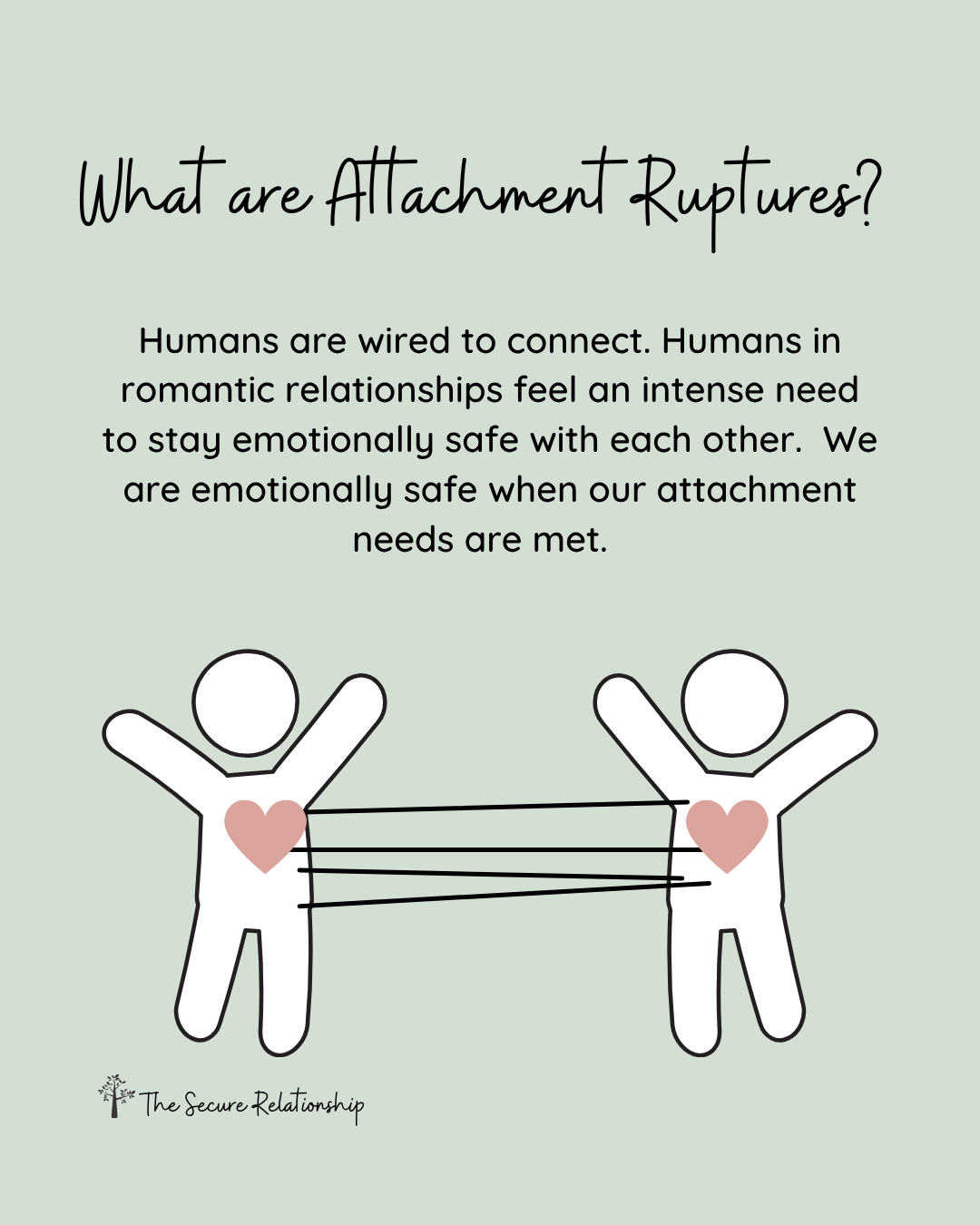

This course is for anyone who’s ever wondered why their relationships feel stuck, why certain emotions keep showing up, or how to build stronger, healthier connections. Whether you’re figuring things out on your own and want to better understand yourself or you're wanting to deepen your bond with a partner this course will help you.
Book an Appointment
Your attachment style shapes how you connect, react, and seek closeness in relationships. Work with one of our coaches to better understand your patterns and begin building more secure, connected relationships.
Therapy can help people with avoidant attachment communicate more openly, connect more deeply, and become more emotionally available in relationships.