
Anxious Attachment Style
If you have an anxious attachment style, you are not needy, broken, or too much. You are likely carrying a nervous system that learned love could feel close one moment and uncertain the next. This page will help you understand why that happens, how it shows up in your relationships, and what helps you move toward greater security.
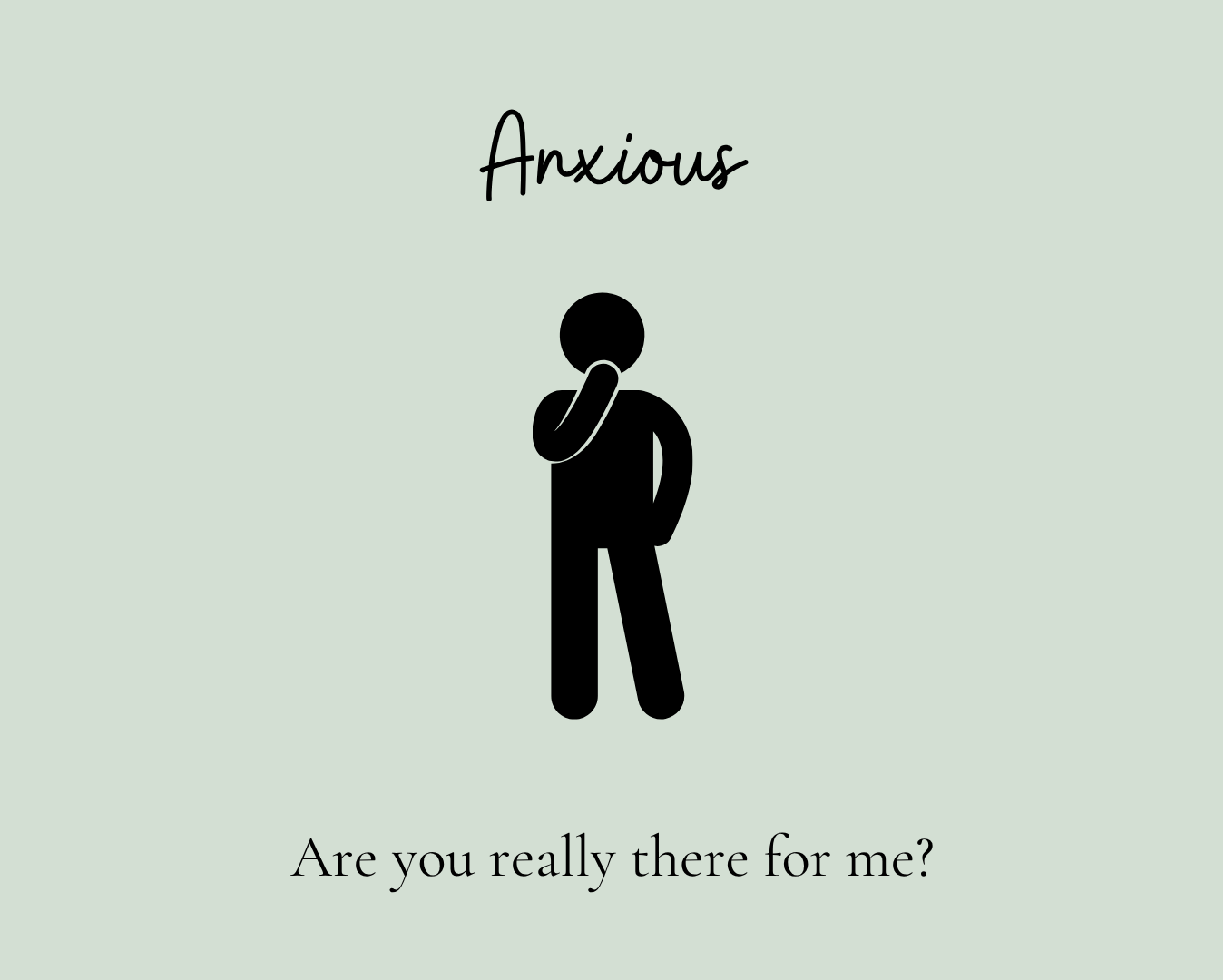
Anxious attachment is not just “worrying too much.” It is a relationship pattern rooted in distress around emotional connection, distance, inconsistency, and the fear of losing closeness.
If this is your pattern, you may feel deeply bonded, deeply longing, and deeply activated all at once. You may want reassurance, closeness, responsiveness, and clear signs that you matter. When those things feel uncertain, your body may go into alarm quickly. Then the very behaviors you use to try to get connection can start creating more disconnection.
This page is here to help you make sense of that pattern with compassion.
Whether you are trying to understand yourself or an anxiously attached partner, the goal is not shame. The goal is clarity. And from clarity, change becomes possible.
What is anxious attachment?
Anxious attachment is a pattern in which closeness can feel precious but unstable.
You may have learned, explicitly or implicitly, that love was available sometimes, but not in a way that felt steady enough to fully relax into. Because of that, your nervous system may stay highly alert to changes in tone, distance, timing, attention, availability, or repair.
Anxious attachment often sounds like:
“I need to know we’re okay.”
“Please don’t pull away from me.”
“Why does this feel so big to me?”
“Why can’t I calm down until I know where I stand with you?”
At its core, anxious attachment is not about wanting too much. It is about having a hard time feeling secure when connection feels uncertain.
Posts about Anxious Attachment


If you feel sensitive in relationships, scan for signs of disconnection, or spiral into protest and panic when you don’t feel close, this course is your starting point for healing. In this self-paced course, Julie Menanno guides you through the deeper emotional work required to stop self-abandoning and start showing up for your own needs, so connection can feel safe again. You’ll learn how anxious attachment develops, how it shows up in adult relationships, and how to build secure self-support,
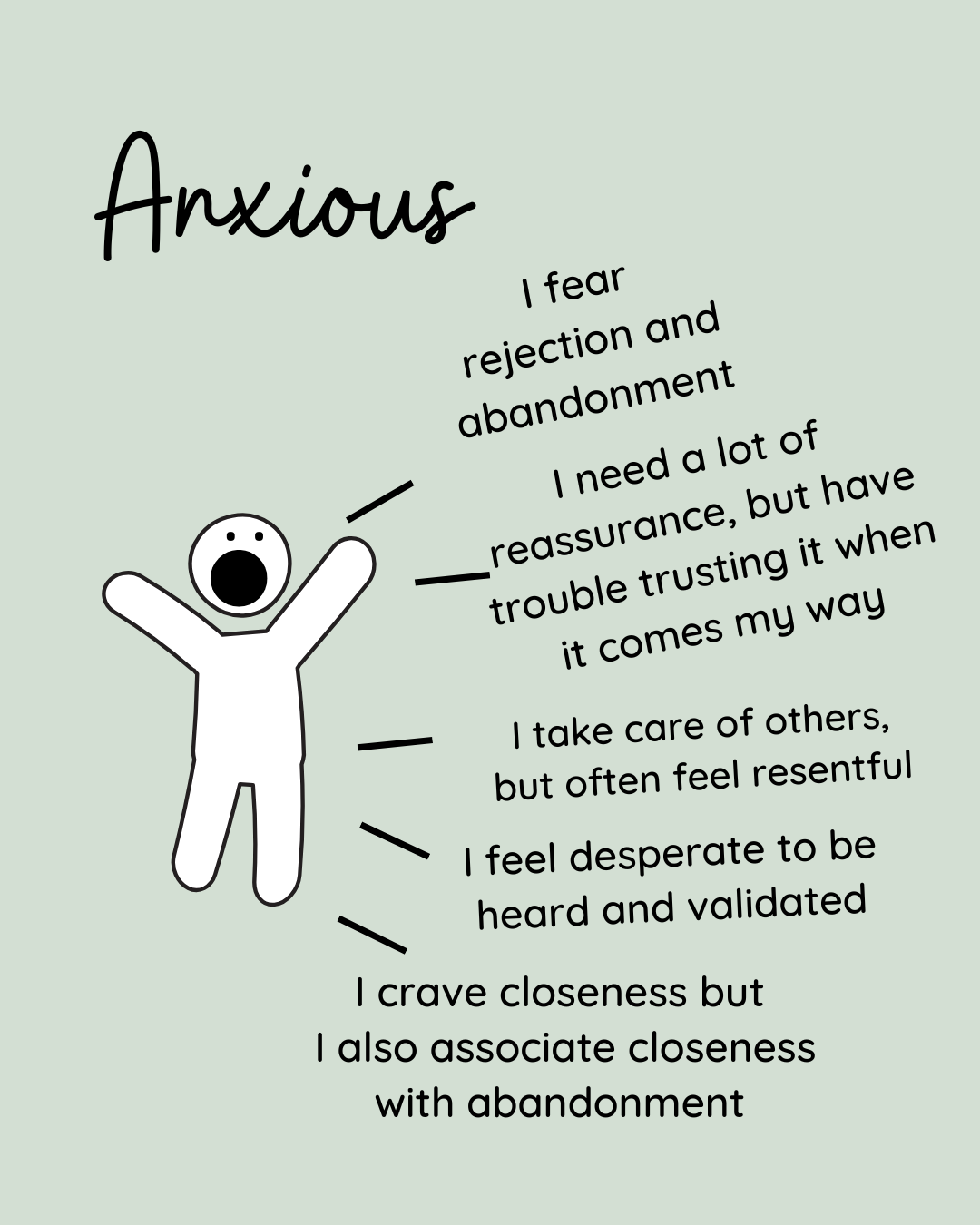
Common signs of anxious attachment
You may relate to anxious attachment if you tend to:
feel distressed when your partner seems distant, distracted, shut down, or slow to respond
need frequent reassurance that the relationship is okay
overread changes in tone, energy, texting, or facial expression
feel preoccupied with where you stand
protest disconnection through criticism, repeated questions, clinging, anger, or emotional escalation
struggle to settle, even after receiving reassurance
fear being left, forgotten, replaced, or emotionally dropped
replay interactions and search for signs that something is wrong
feel both deep longing for closeness and deep resentment when your needs go unmet
This does not mean you are dramatic. It often means your nervous system is trying to protect an attachment bond that feels important, but uncertain.
What anxious attachment can feel like on the inside
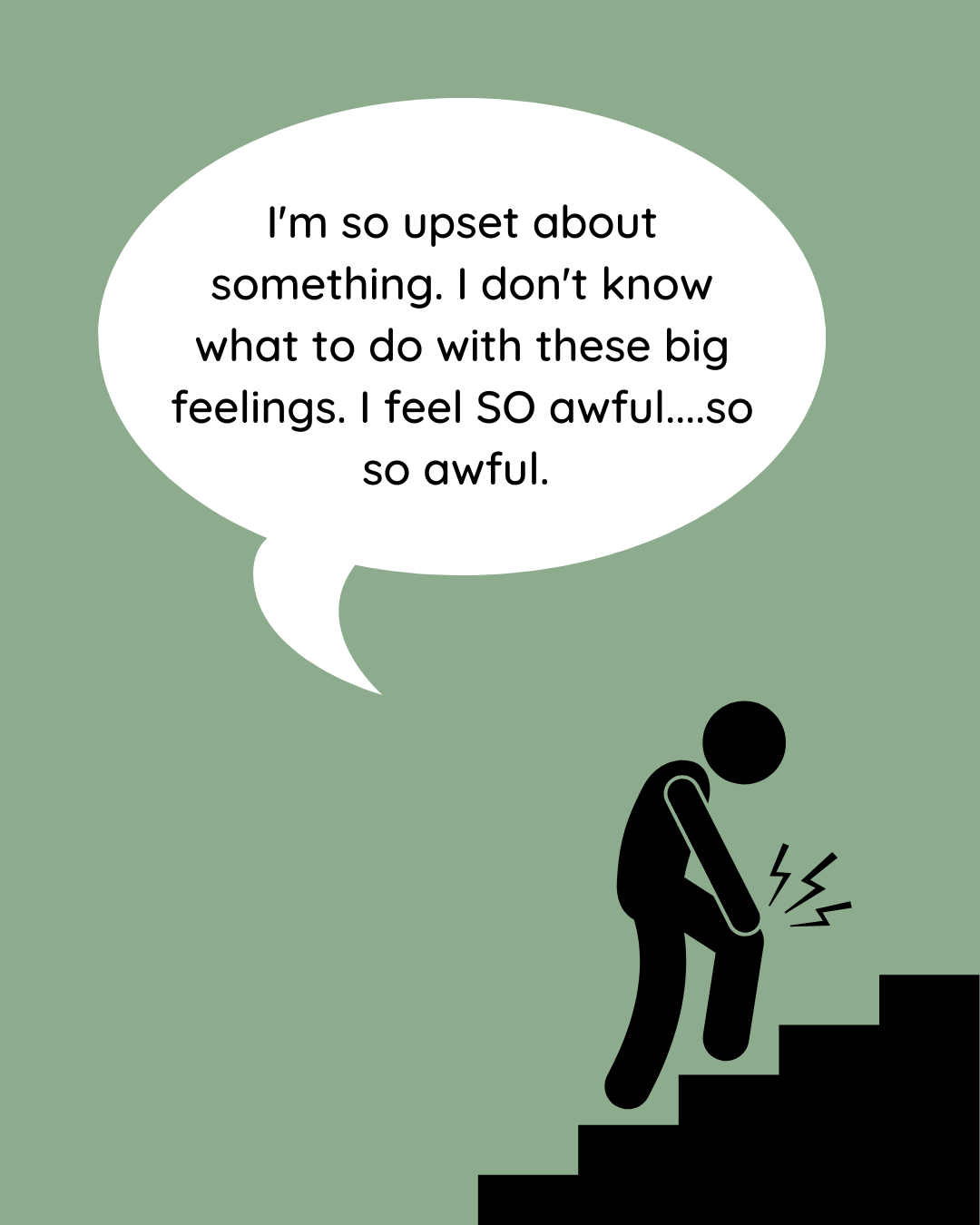
From the outside, anxious attachment can look reactive. On the inside, it usually feels tender, lonely, and scared.
It can feel like:
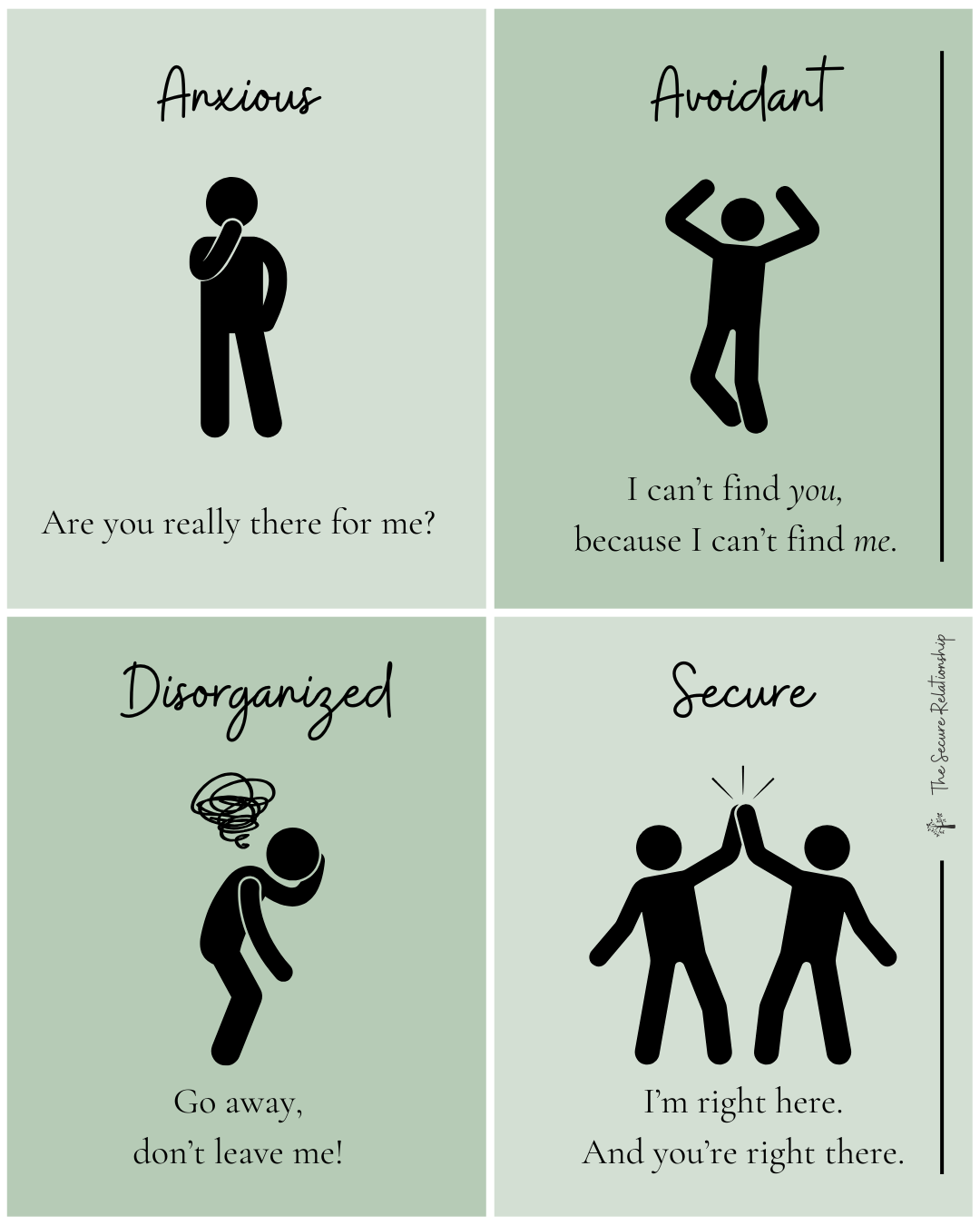
“I am reaching, but I don’t know if you’re really there.”
“I need closeness, and I hate how much I need it.”
“When you pull away, everything in me gets loud.”
“I want to trust love, but I brace for it to disappear.”
“I can get the reassurance, but I still can’t fully land in it.”
A lot of people with anxious attachment carry shame about how intensely they feel. But intensity is not the same thing as weakness. Often, it is a sign that your attachment system learned to stay on guard.
Why anxious attachment develops
Anxious attachment often develops when love, comfort, responsiveness, or emotional attunement felt inconsistent.
That inconsistency can take many forms. Sometimes caregivers were loving, but emotionally unpredictable. Sometimes they were overwhelmed, stressed, unavailable, distracted, depressed, critical, or only responsive under certain conditions. Sometimes feelings were met, but not reliably enough for the child to trust, “You’ll be there when I need you.”
When a child gets enough connection to know how good it feels, but not enough consistency to trust it will remain, the nervous system can become highly vigilant around closeness.
That vigilance often becomes the adult pattern.
How anxious attachment shows up in relationships
Anxious attachment can shape the whole emotional climate of a relationship.
You may:
bring up concerns urgently because they feel urgent in your body
protest when you feel disconnected
keep pursuing a conversation after your partner has shut down
feel pain when your partner wants space
confuse temporary distance with permanent loss
struggle to separate the present moment from old attachment pain
ask for reassurance in ways that accidentally feel like criticism or pressure to your partner
This is one reason couples often get stuck in a negative cycle.
One partner feels alone and reaches with protest.
The other feels criticized and protects.
The more one protests, the more the other distances.
The more the other distances, the more the first partner panics.
Then both people feel misunderstood.
If this is your pattern, the problem is usually not that you care too much. The problem is that your fear and your reaching have gotten tangled together.
What anxious attachment is not
Anxious attachment is not a character flaw.
It is not proof that you are too much.
It is not proof that you are unlovable.
It is not the same thing as weakness.
It is not the same thing as immaturity.
It is not the same thing as being “crazy.”
It is an attachment strategy.
It is your system trying to create safety through closeness, reassurance, contact, and responsiveness.
That strategy deserves understanding.
It also may need updating.
What anxious attachment needs
People with anxious attachment often need more than advice like “just calm down” or “just be less needy.” That kind of advice usually creates more shame and less security.
What actually helps is learning to identify the attachment needs underneath the reactivity.
Often, anxious attachment needs sound like:
I need to know I matter to you.
I need to feel emotionally prioritized.
I need to know you will respond when I reach.
I need clarity when something feels off.
I need repair after disconnection.
I need consistency, not just intensity.
I need to know you are with me, not against me.
I need to feel chosen, not guessed at.
I need warmth, not just logic.
I need reassurance that can be felt, not just stated.
The more clearly you can name your needs, the less likely they are to come out as protest.
What protest behavior can look like
When anxious attachment gets activated, you may not simply say, “I feel scared and I need closeness.”
You may instead:
criticize
blame
repeat yourself
demand an answer right now
escalate to get a response
say the most painful version of the feeling
test whether your partner cares
assume the worst before it happens
push for closeness in a way that makes closeness harder to receive
This is not because you want conflict.
It is usually because your system is saying, “Please see how much this hurts.”
The work is not to shame the protest.
The work is to get underneath it.
If you have anxious attachment, start here
What healing anxious attachment looks like
Healing does not mean you stop needing connection.
It means connection stops feeling so constantly threatened.
As you grow, you may notice:
less panic around temporary distance
more ability to pause before protesting
more clarity around what you actually need
more capacity to ask directly and vulnerably
less overfunctioning in the relationship
more trust in your own worth
more ability to let reassurance in
more ability to tolerate imperfection without reading it as loss
more confidence that disconnection can be repaired
If your partner has anxious attachment
If your partner is anxiously attached, they do not need perfection from you. They do need emotional clarity.
-
respond with warmth before problem-solving
name that you see their distress
offer reassurance in a way they can feel
avoid mocking, dismissing, eye-rolling, or calling them too sensitive
follow through when you say you will
repair after ruptures
be clear about space instead of disappearing into it
remember that logic without emotional presence often will not land
-
“I see that this hit something tender.”
“I’m here.”
“We’re okay. Let’s slow this down together.”
“I need a little time, and I will come back.”
“I’m not leaving this. I want to understand.”
-
“You’re overreacting.”
“You’re too much.”
“This again?”
silence as punishment
vague withdrawal with no reassurance
defensiveness before understanding
Your anxious partner is not asking you to erase all pain.
They are usually asking, underneath the protest, “Can I count on your emotional presence when it matters?”
If you are the anxious partner in an anxious-avoidant cycle
This pairing is very common, and it can be deeply painful.
One person experiences distance as danger and moves closer.
The other experiences pressure as danger and pulls back.
Each person’s protection intensifies the other person’s fear.
If this is your relationship, the answer is not for one of you to become less sensitive and the other to become instantly perfect. The answer is learning the cycle.
You need to know:
what activates you
what activates your partner
how your protections interact
how to interrupt the pattern before it runs the conversation
how to repair after it happens
Once the cycle becomes the problem, instead of each other, more safety becomes possible.
Practical tools for anxious attachment
-
Pause and ask:
What just happened?
What am I feeling?
What am I afraid this means?
What do I need right now?
How can I ask for that without attacking, demanding, or collapsing?
Then try:
“I’m feeling activated and I think I’m needing reassurance, responsiveness, and clarity right now. Are you available for that?” -
Before sending the next message, ask:
Am I reaching for connection, or protesting disconnection?
Is there a clearer way to say what I need?
Do I need co-regulation, or do I first need to steady my body?
-
“My activation is real.
My fear deserves care.
And I do not have to let fear write the whole story.”
FAQs
-
Yes. Anxious attachment can absolutely become more secure. With self-awareness, consistent relational experiences, clear communication, and repeated repair, people can build much more stability inside themselves and in their relationships.
-
Yes. Many anxiously attached people are deeply loving, attuned, devoted, and emotionally invested. The work is not to erase those strengths. It is to help them function without protest, panic, and chronic fear.
-
Yes. It can be exhausting for the person living it and for the relationship. That does not mean the relationship is doomed. It means the pattern needs understanding and support.
-
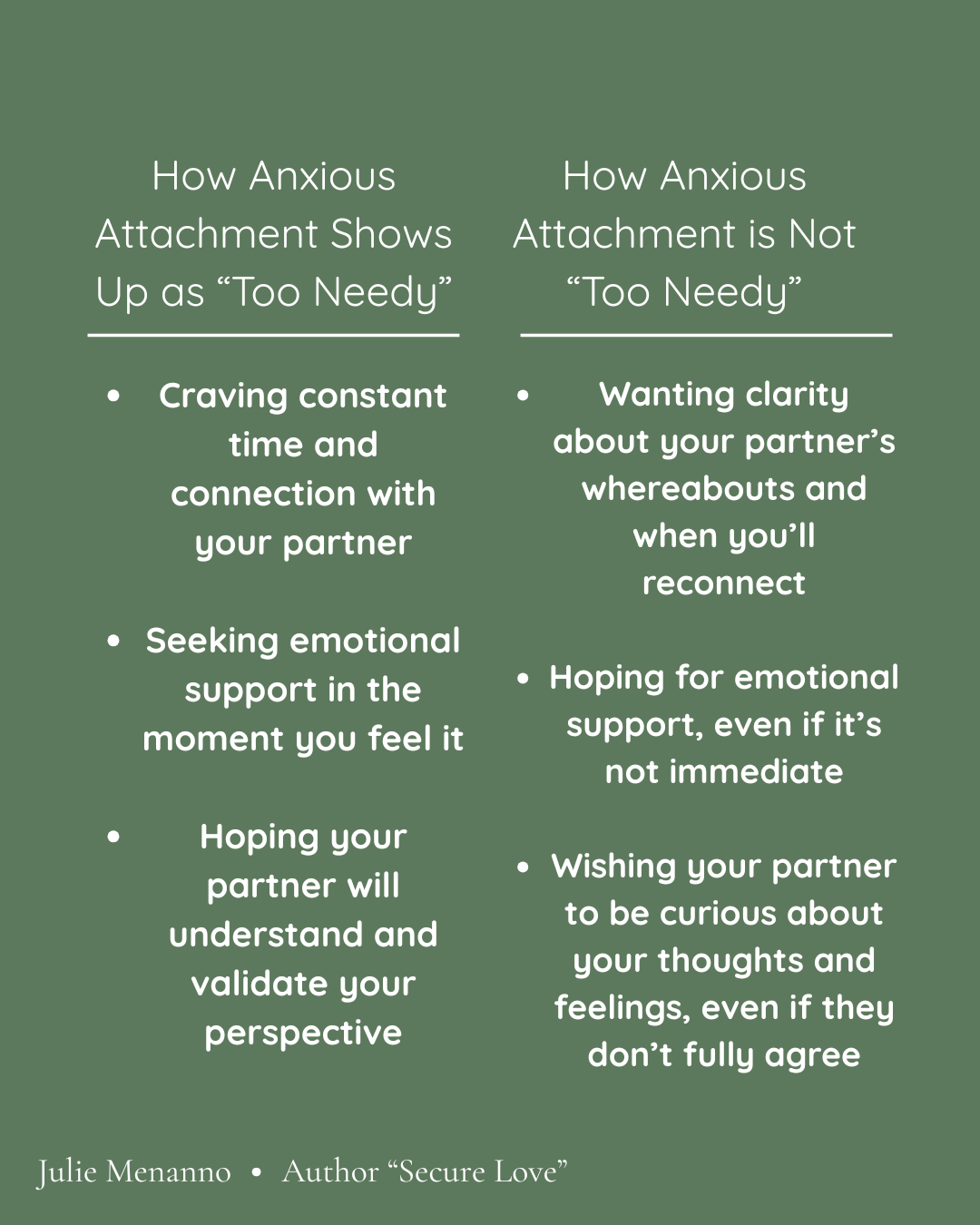
No. The word needy is often used to shame normal attachment longings. The more useful question is whether your needs are being expressed clearly, received well, and supported by enough inner stability to let connection in.
-
That can happen. People are nuanced. You may have anxious attachment with some protective withdrawal, or you may be carrying a more complex pattern. What matters most is understanding what happens in your system when connection feels threatened.
Resources for anxious attachment
-
![The Secure Love Podcast]()
The Secure Love Podcast
A strong resource if you want to hear real relational patterns, attachment dynamics, conflict cycles, and healing conversations in a way that feels grounded and practical.
-
![Julie’s Group]()
Julie’s Group
A good fit if you want regular teaching, deeper reflection, practical exercises, and the felt experience of learning this work over time.
-
![Understanding Shame Workshop]()
Understanding Shame Workshop
Many anxiously attached people do not just fear disconnection. They also fear what their needs mean about them. This resource helps unpack the shame that often sits underneath protest, panic, self-blame, and relational desperation.
-
![Negative Cycle Workshop Series]()
Negative Cycle Workshop Series
Especially helpful if you keep getting pulled into the same painful pattern.
Part 1: Mapping Your Negative Cycle
Part 2: Interrupting Your Negative Cycle
Part 3: Repairing After a Negative Cycle or Rupture
Part 4: Healing Attachment Wounds
Part 5: Creating a Secure Relationship Dynamic
-
![Secure Love]()
Secure Love
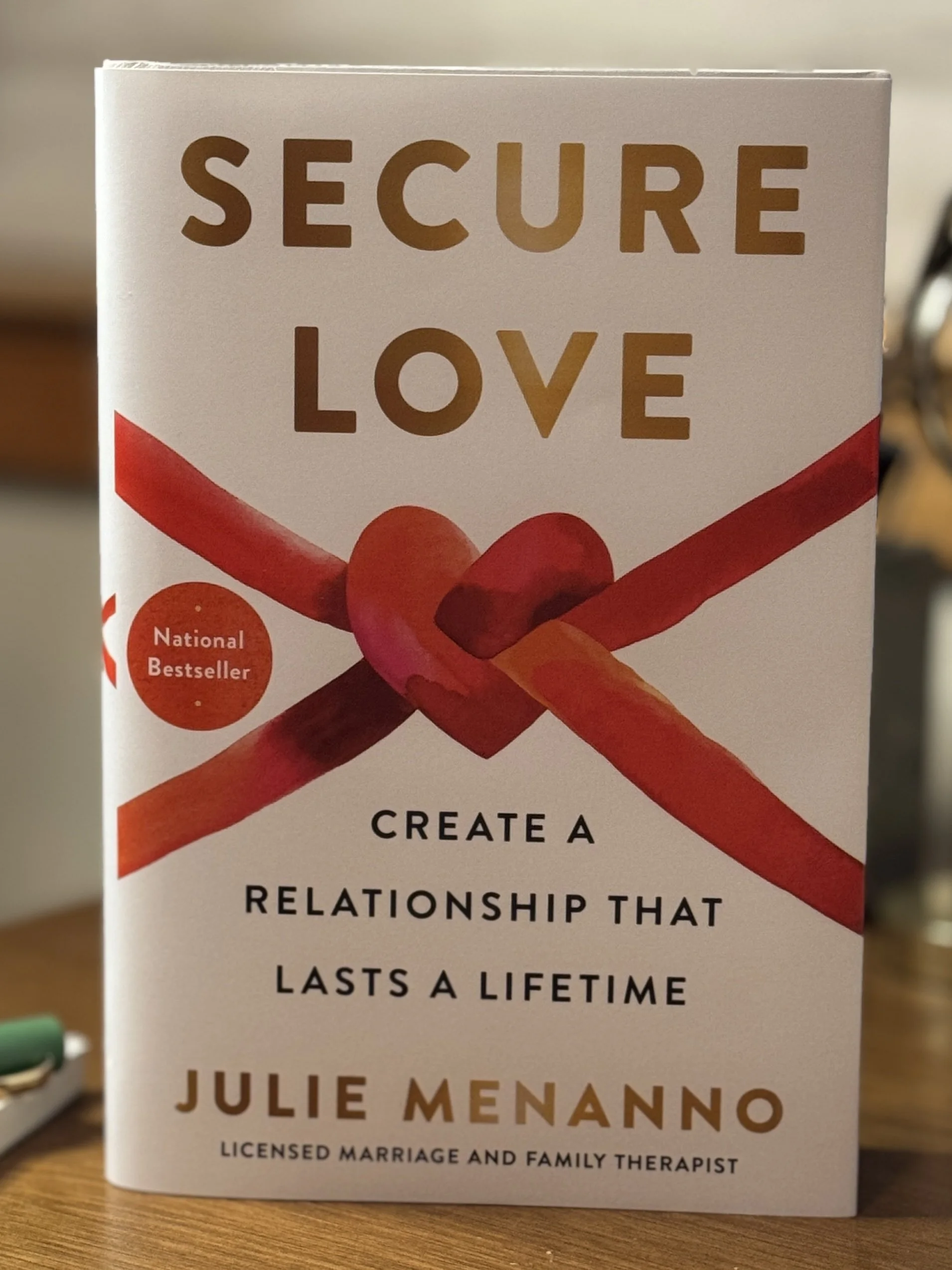
If you tend to fear disconnection, overthink your partner’s cues, or feel like you need constant reassurance to settle, Secure Love will help you understand what your nervous system is reaching for underneath the panic. It will show you how to identify your deeper attachment needs, communicate them more clearly, and stop getting pulled into protest patterns that create more distance. Instead of feeling trapped in fear and reactivity, you can learn how to build real security, steadiness, and closeness in your relationship.
-
![Attachment 101 Course]()
Attachment 101 Course
A strong first step if you want to understand attachment styles, emotional patterns, and why relationships trigger so much beneath the surface.


LET’S GET STARTED
Attachment theory helps explain why some relationships feel safe, connected, and easy to repair, while others feel stuck in the same painful cycle. In adult relationships, attachment shows up in what triggers us, how our bodies react to disconnection, and the strategies we use to get safe again. Understanding attachment can help you stop seeing your partner as the enemy and start seeing the real problem more clearly.