
Attachment Based Relationship Tips
Looking to strengthen your relationship? Our blog offers expert relationship tips rooted in attachment theory and Emotionally Focused Therapy. Learn how to identify your attachment style, communicate more effectively, and foster emotional safety with your partner. From overcoming conflict to building deeper trust, our practical advice and tools, created by couples therapist Julie Menanno, are designed to help you move toward a secure and fulfilling connection. Dive in and start transforming your relationships today!


Start Your Healing Journey with Our Attachment Style Quiz
Discover why self regulation might feel out of reach, the barriers that hinder it, and actionable steps to build emotional resilience and connection.

Being Well Podcast: Attachment Masterclass
We discuss the impact of anxious, avoidant, and secure attachment patterns, and provide practical advice on identifying and communicating attachment needs, fostering emotional safety, and addressing the common anxious-avoidant partner dynamic.
Being Well Podcast
In this special episode of Being Well, Forrest is joined by four leading experts for a masterclass on the science of attachment. Featuring conversations with Dr. Sue Johnson, Dr. Rick Hanson, Julie Mennano, and Elizabeth Ferreira.
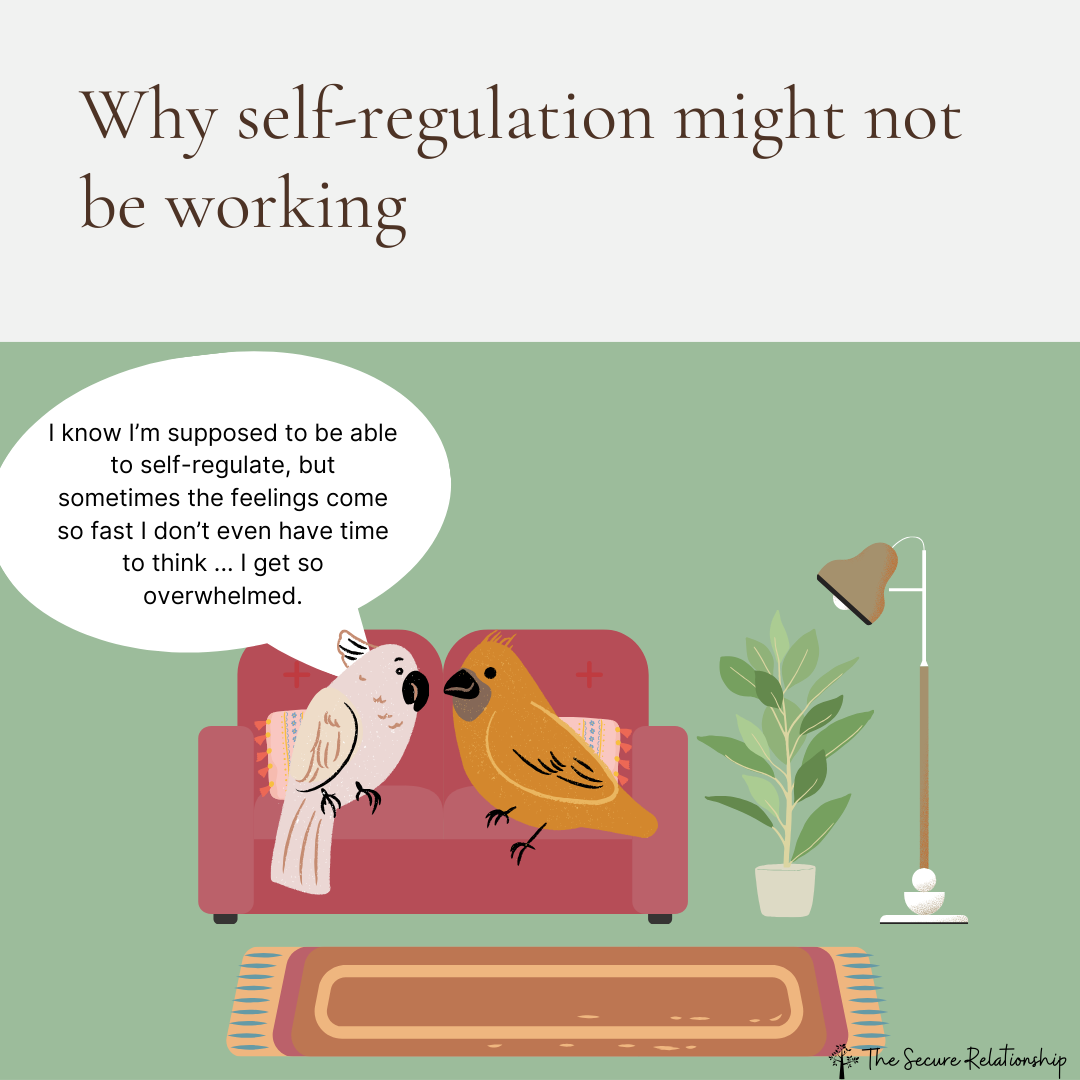
Why self regulation might not be working
Discover why self regulation might feel out of reach, the barriers that hinder it, and actionable steps to build emotional resilience and connection.

How to Heal Attachment Wounds: Expert Advice and Strategies
Attachment wounds can deeply impact trust, but with openness, positive experiences, and healing communication, relationships can recover and thrive."

Why Avoidant Attachment is Linked to a Fear of Failure (Or of Being Seen as a Failure)
Discover why avoidant attachment is linked to fear of failure, how it shapes relationship dynamics, and actionable strategies for healing and connection.

Anxious Attached Partners Need Emotional Validation To Feel Close. Without It, They Can’t Thrive In the Relationship.
Anxious attached partners need emotional validation to thrive—learn how to provide it and create a secure, connected relationship.

Understanding Disorganized Attachment
Discover how disorganized attachment impacts relationships and explore steps to build trust, foster connection, and begin healing.

Understanding Avoidant Attachment
Avoidant attachment is rooted in deeply ingrained fears of failure and shame, leading partners to avoid vulnerability and emotional closeness. By gradually practicing new ways to open up, avoidant partners can create healthier, more connected relationships.

Understanding Anxious Attachment Style: A Partner’s Perspective
Understanding the anxious attachment style means recognizing the deep-seated fears and needs that shape behaviors in a relationship. By learning to address these patterns, those with anxious attachment—and their partners—can foster healthier, more supportive connections.

What Are The THREE Problems When You’re in a Fight With Your Partner?
Uncover the three layers of relationship conflicts—surface issues, unmet attachment needs, and underlying dynamics—and learn strategies for resolution.

Relationship Challenge from a Couples Therapist
Couples who strengthen their emotional connection often find that many of their problems start to resolve naturally. Try setting aside desired outcomes temporarily, and focus instead on creating emotional safety through open, supportive dialogue.

The Protest Behaviors in Relationships
Learn how protest behaviors create negative cycles in relationships, their underlying causes, and actionable steps to foster healthier communication

Anxious Attachment 101 Chapter Four: How to Heal Anxious Attachment
Learn how to heal anxious attachment with self-regulation, co-regulation, and emotionally safe communication, fostering growth and connection in your relationships.

Anxious Attachment 101 Chapter Three: How Anxious Attachment Shows Up in Relationships
Anxious attachment manifests through patterns like outer-focused blame, fear of abandonment, people-pleasing, and difficulty trusting relationships. These behaviors often prevent individuals from recognizing emotionally available partners, trapping them in cycles of disconnection and unresolved conflict.

Anxious Attachment 101 Chapter Two: How It Shows Up in Adulthood
Anxious attachment tends to manifest in controlling behaviors—either of people or the environment—often as a way to manage anxiety. This can show up in work, friendships, and family life, not just romantic relationships. By learning to let go of what can’t be controlled, anxious attached adults can find healthier ways to cope.

Anxious Attachment 101 Chapter One: How it Develops
Anxious attachment style develops when a child experiences inconsistent or unpredictable emotional support from caregivers, leading to hyper-vigilance and a constant need for validation. Without reliable emotional care, these children learn they must fight for attention, often feeling the sting of rejection and anxiety.

Why Do Partners Tell White Lies (and what you can do)?
Explore why partners tell white lies, the emotional roots of dishonesty, and actionable steps to foster honesty, rebuild trust, and create deeper connections.

It's Okay to be Triggered. Being Triggered is a Normal Part of Life
Being triggered is a normal part of life—learn how to process your emotions, respond intentionally, and turn triggers into opportunities for personal growth.
Get Secure Relationship resources and insights, delivered weekly.
VIDEOS
VIDEOS



Most couples believe that if they could just get on the same page, their conflicts would finally settle down. The problem is that agreement alone does not guarantee connection. You can agree and still feel unseen. You can disagree and stay deeply bonded.
In this meeting, Emotional Safety vs. Agreement, we will look at conflict through an emotional safety lens. We will explore what emotional safety actually feels like, what happens in the nervous system when safety drops, and how negative cycles begin when you and your partner stop feeling safe with each other.
You will learn:
The difference between emotional safety and agreement
How your nervous system reacts during conflict
How to recognize when safety has dropped between you
Emotional safety scripts you can use in real time
What to say less of and what to say more of when you want connection
How to repair after a moment where safety went missing
Thank you for doing this work with me and for your courage in looking at your patterns with honesty and compassion.