
Attachment Based Relationship Tips
Practical, attachment-based tools from therapist Julie Menanno. Understand your patterns, calm the conflict, and build real emotional safety with your partner.
Browse by topic
New here? Start with these


How to Handle Relationship Triggers: A Practical Toolbox
When your partner triggers you, the urge to react can take over fast. This relationship trigger toolbox helps you slow down, regulate your nervous system, understand what is happening inside you, and communicate in a healthier way that supports emotional safety and connection.

Toxic vs. Healthy Anger: The Difference Between Reactivity and Assertiveness
Anger can divide or connect—depending on how it’s expressed. This post shows the difference between reactive and assertive anger and how to use it for deeper connection.

Before You Label Your Partner, Try This Perspective
It can feel easier to label your partner than to feel powerless. But what if the answer isn’t in blame, but in understanding the cycle? This post offers a new way forward.

Why Your Partner's Bad Mood Triggers You, and How to Deal With It
When your partner is in a bad mood (grumpy, withdrawn, or moody), it can trigger panic and protest. Learn how to deal with a partner's mood swings, regulate your own reaction, and stay connected, from therapist Julie Menanno.

Validating Anger: For Yourself and Your Partner
Anger is not the problem—how we respond to it is. Learning to validate your own anger and your partner’s can lead to emotional regulation, deeper understanding, and stronger communication.

Splitting vs. Integrating: How to Shift from Extreme Thinking to Balanced Perspectives
Understanding the difference between splitting and integrating can help you develop a healthier, more balanced perspective in relationships. Learn how to move from extreme thinking to a more integrated way of seeing yourself and your partner.

How Do Secure Partners Do That?
Securely attached partners communicate effectively, regulate emotions, and maintain strong boundaries while fostering connection. Learn how these behaviors create thriving relationships.

Why Do Disorganized Partners Do That?
Disorganized attachment can make relationships feel unpredictable and overwhelming. Learn how survival strategies formed in childhood impact adult relationships and discover steps for healing.

Why Do Avoidant Attached Partners Do That?
Understanding why avoidant partners engage in behaviors like appeasing, shutting down, or defending themselves is key to breaking negative cycles. Learn how to transform these behaviors and build a more secure relationship.

Why Do Those with Anxious Attachment Do That?
Anxious attachment behaviors often stem from deep fears of abandonment. Learn why these behaviors feel safe and how to shift toward healthier relationship patterns.

Common Experience of Avoidant Partners: Fear of Conflict
Avoidant partners often struggle with emotions, both within themselves and in relationships. Learn how to reconnect with your emotions and build deeper connections.

Healthy Assertion vs. Reactive Anger
Reactive anger can trigger negative cycles in relationships. Learn how healthy assertion can shift communication, promote emotional safety, and create space for understanding and compromise.

Your “Window of Tolerance”
Your window of tolerance is your internal safe space for emotional balance. Learn how to find and stay in this space to improve your well-being, regulate emotions, and build healthier relationships.

How to Navigate Hard Conversations with Your Partner
Hard conversations in relationships can be challenging, but with emotional regulation, empathy, and clear communication, you can create a foundation of safety and teamwork for problem-solving.

How Anger Shows Up in Anxious Attachment, and What Is the Work?
Anger can feel overwhelming and frequent if you have anxious attachment. Learn how this response is rooted in vulnerability, fear, and past wounds, and discover strategies for healing and assertiveness.

Tips for Healing an Insecure Attachment
Learn how to heal an insecure attachment by improving communication, regulating emotions, and building a healthier sense of self.
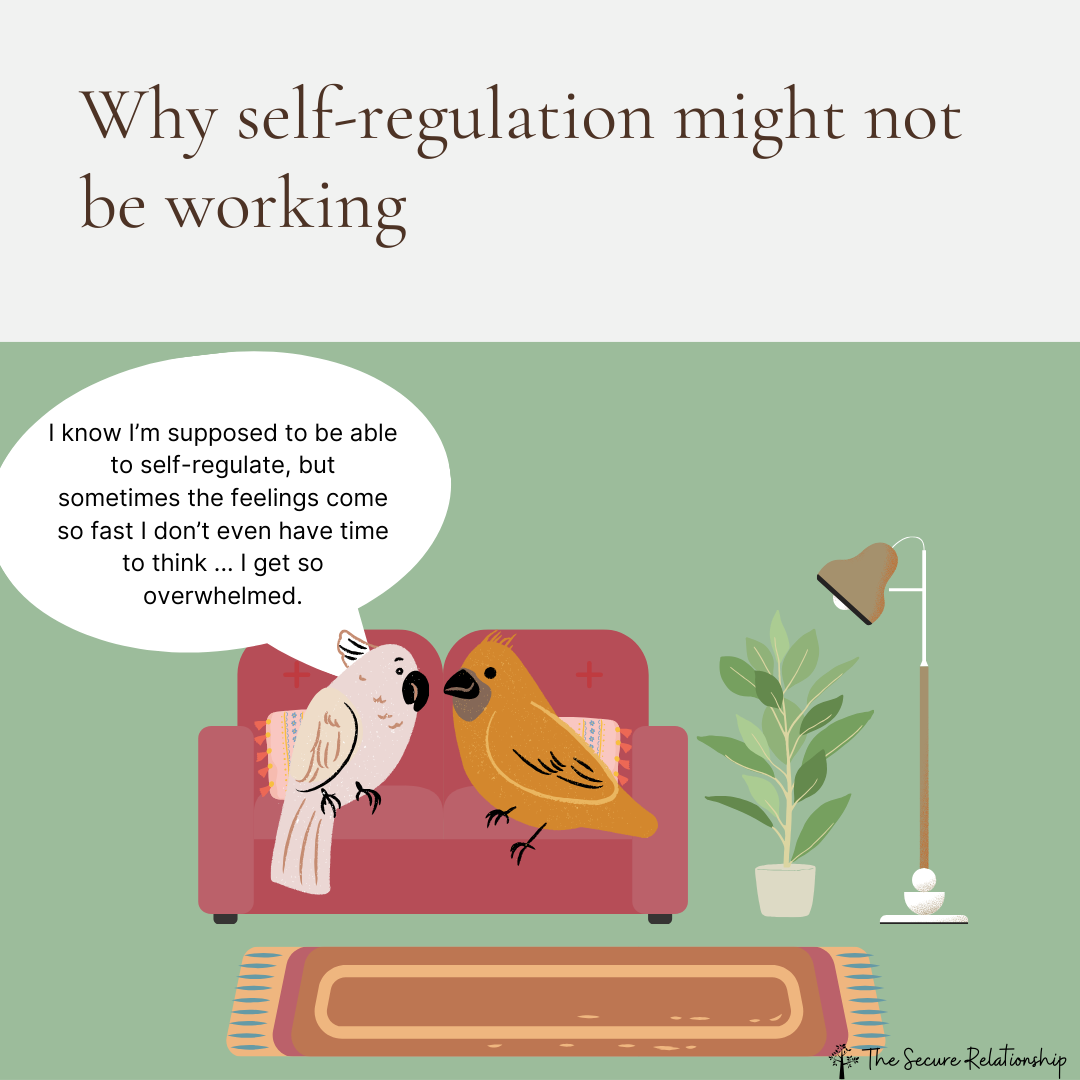
Why self regulation might not be working
Discover why self regulation might feel out of reach, the barriers that hinder it, and actionable steps to build emotional resilience and connection.

It's Okay to be Triggered. Being Triggered is a Normal Part of Life
Being triggered is a normal part of life—learn how to process your emotions, respond intentionally, and turn triggers into opportunities for personal growth.

When Your Partner Isn’t Growing With You....Relationship Blocks
Navigate relationship challenges when your partner isn’t growing with you by addressing communication blocks, rebuilding trust, and fostering mutual understanding.