
Attachment Based Relationship Tips
Practical, attachment-based tools from therapist Julie Menanno. Understand your patterns, calm the conflict, and build real emotional safety with your partner.
Browse by topic
New here? Start with these


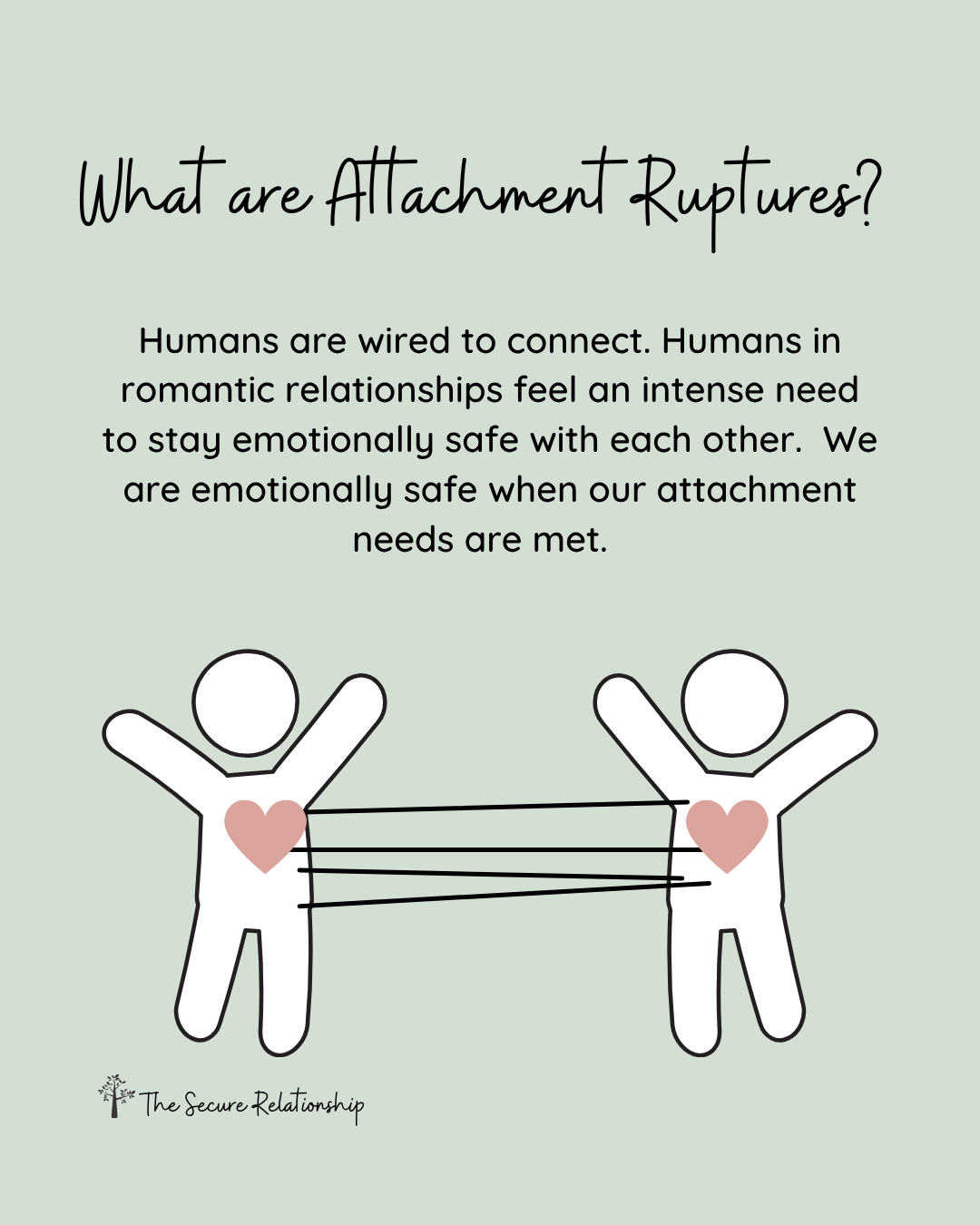
What Are Attachment Ruptures?
Attachment ruptures are normal in romantic relationships. When partners understand the attachment needs underneath conflict and learn to repair along the way, the relationship can become stronger and more secure.
What Emotional Integration Really Means in Relationships
Emotional integration helps you hold multiple inner experiences at the same time instead of bouncing between anger, shame, fear, or protest. When you can make space for the full experience, your relationship responses can become more grounded, clear, and secure.

Are You or Your Partner Selfish?
Selfishness can hurt relationships, but people are not wholly defined as selfish. This post explores what may be underneath selfish behavior, including shame, emotional blocks, addiction, rigid thinking, and early relational patterns.

What Is Attachment Theory? The 4 Attachment Styles in Relationships
Attachment theory helps explain why some relationships feel safe, connected, and easy to repair, while others feel stuck in the same painful cycle. In adult relationships, attachment shows up in what triggers us, how our bodies react to disconnection, and the strategies we use to get safe again. Understanding attachment can help you stop seeing your partner as the enemy and start seeing the real problem more clearly.

Anxious Attachment, Codependency, and the Work of Healing
Anxious attachment and codependency are not flaws or weaknesses. They are nervous system strategies developed to manage pain and feel safe. Healing begins when feelings are allowed instead of acted out.
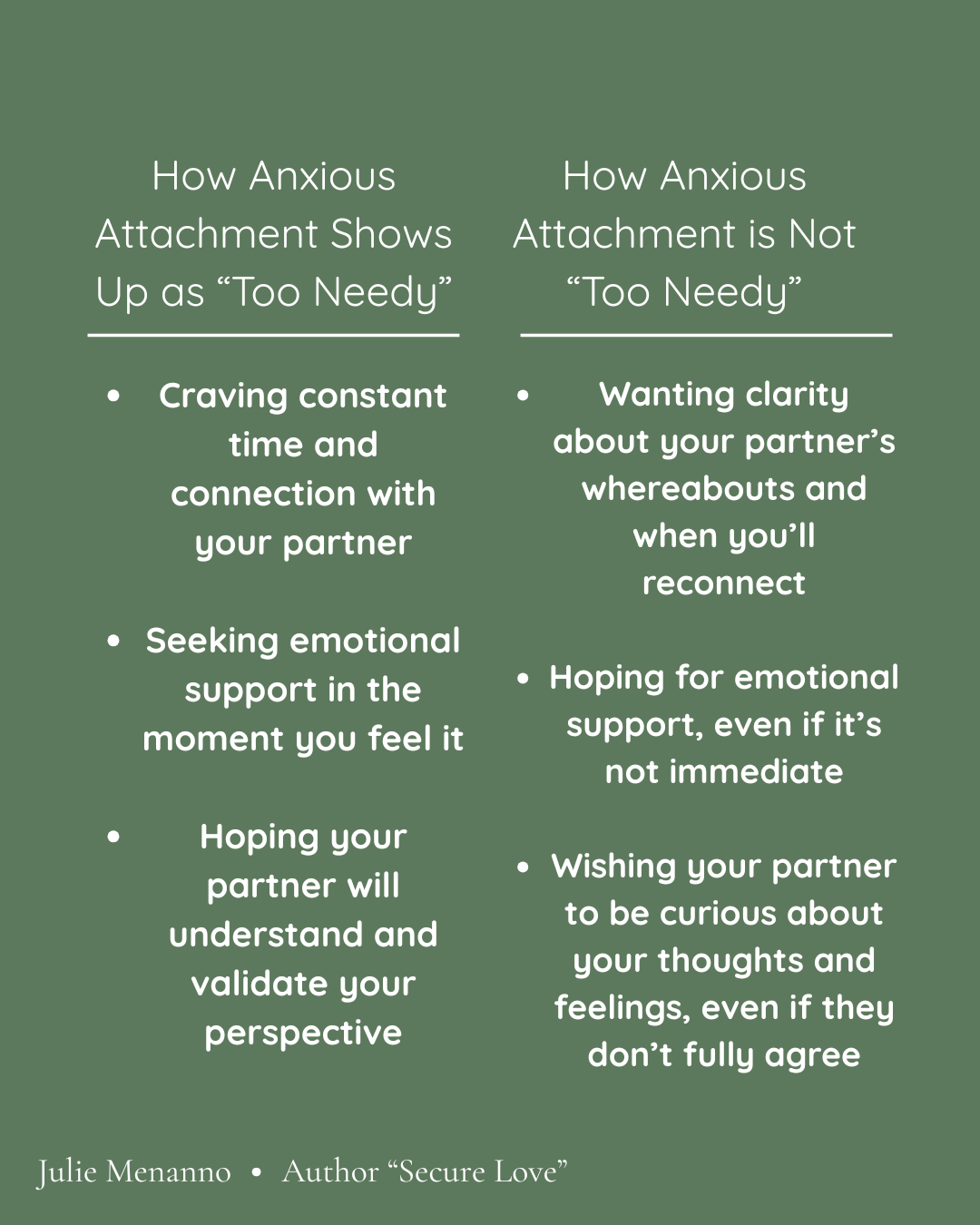
How Anxious Attachment Shows Up as “Too Needy” (and Why It’s Not)
Anxious attachment is often misunderstood as neediness. In reality, it reflects unmet attachment needs for clarity, emotional responsiveness, and connection. Understanding this difference is key to building secure relationships.

The Core Difference Between Anxious and Avoidant Attachment
Anxious and avoidant attachment styles may appear completely different, but they share the same core problem: insecurity and avoidance of painful feelings. Understanding this difference is key to healing and building secure attachment.

How to Recognize Your Attachment Style in Everyday Reactions
The emotional patterns you repeat in your relationship often stem from your attachment style. This post outlines common signs of anxious or avoidant attachment.