
Attachment Based Relationship Tips
Looking to strengthen your relationship? Our blog offers expert relationship tips rooted in attachment theory and Emotionally Focused Therapy. Learn how to identify your attachment style, communicate more effectively, and foster emotional safety with your partner. From overcoming conflict to building deeper trust, our practical advice and tools, created by couples therapist Julie Menanno, are designed to help you move toward a secure and fulfilling connection. Dive in and start transforming your relationships today!

Secure Attachment Is Not Enmeshment: How to Avoid Enmeshment in Your Relationship
Enmeshment in relationships can blur boundaries and hinder individuality. Learn how to avoid enmeshment and foster secure attachment for a healthier connection.

The Importance of Timing in Your Relationship: What It Means and Why It Matters
Timing in relationships affects both when and how you address hard topics. Learn to improve timing for better communication.

Fear-Based Questions vs. Self-Security Thoughts: Navigating Relationship Anxiety
Fear-based questions like 'Do you even think about me?' often arise from insecurity. Learn how self-security thoughts can shift your perspective and improve your communication.

When You Have To Ask the Question...Should I End My Relationship?
Wondering 'should I end my relationship'? This guide explores 7 essential steps to evaluate your connection, from unhealed wounds to hope for change.

From Mrs. to Ms.
Julie also shares actionable advice for anyone feeling stuck in conflict or disconnection, offering hope for singles navigating modern dating challenges like hookup culture and dating apps.

Not Your Ordinary Parts
Julie’s approach is not just therapeutic but transformational, offering practical tools for fostering trust, vulnerability, and emotional safety; foundations upon which healthy relationships thrive.


Start Your Healing Journey with Our Attachment Style Quiz
Discover why self regulation might feel out of reach, the barriers that hinder it, and actionable steps to build emotional resilience and connection.

Being Well Podcast: Attachment Masterclass
We discuss the impact of anxious, avoidant, and secure attachment patterns, and provide practical advice on identifying and communicating attachment needs, fostering emotional safety, and addressing the common anxious-avoidant partner dynamic.
Being Well Podcast
In this special episode of Being Well, Forrest is joined by four leading experts for a masterclass on the science of attachment. Featuring conversations with Dr. Sue Johnson, Dr. Rick Hanson, Julie Mennano, and Elizabeth Ferreira.
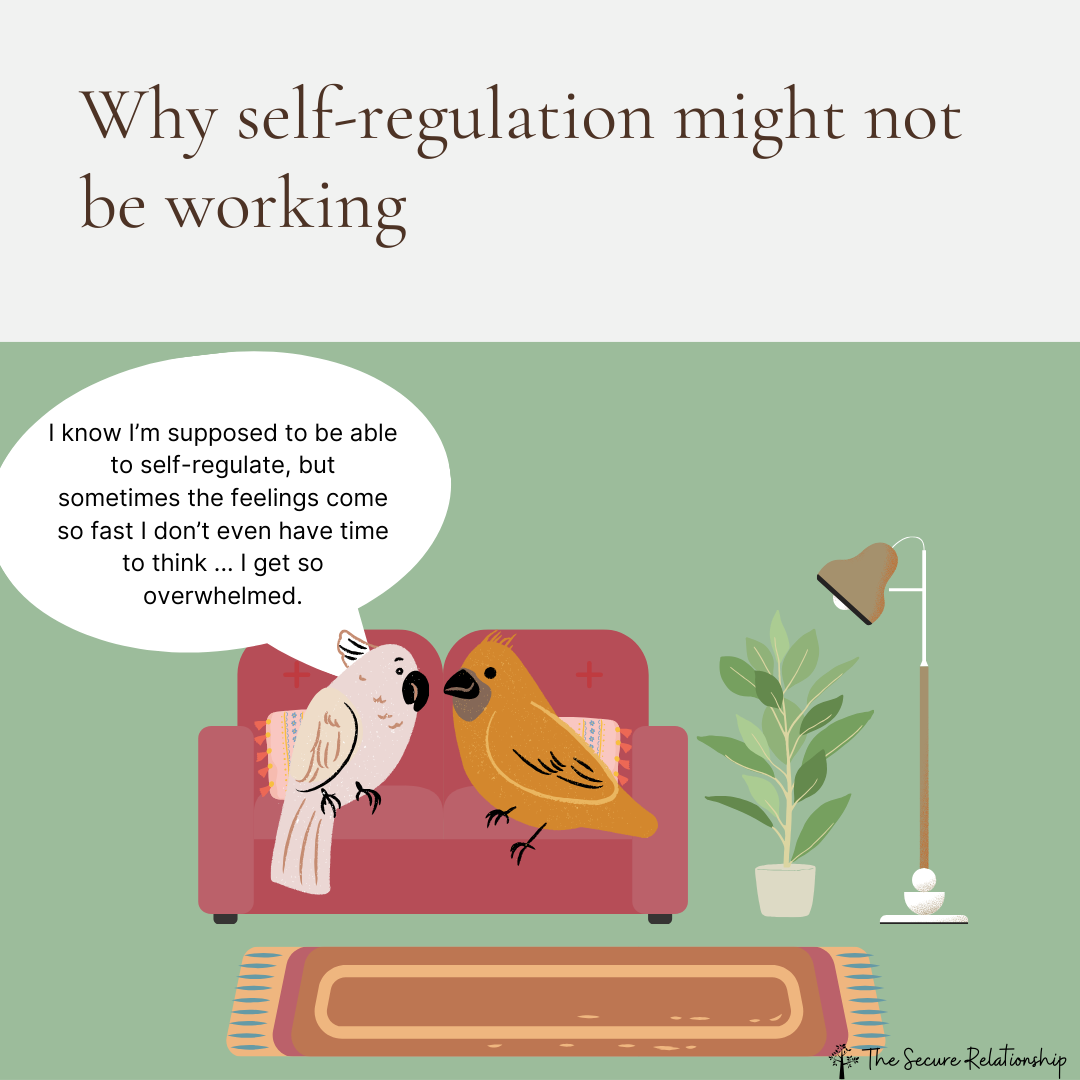
Why self regulation might not be working
Discover why self regulation might feel out of reach, the barriers that hinder it, and actionable steps to build emotional resilience and connection.

How to Heal Attachment Wounds: Expert Advice and Strategies
Attachment wounds can deeply impact trust, but with openness, positive experiences, and healing communication, relationships can recover and thrive."

Why Avoidant Attachment is Linked to a Fear of Failure (Or of Being Seen as a Failure)
Discover why avoidant attachment is linked to fear of failure, how it shapes relationship dynamics, and actionable strategies for healing and connection.

Anxious Attached Partners Need Emotional Validation To Feel Close. Without It, They Can’t Thrive In the Relationship.
Anxious attached partners need emotional validation to thrive—learn how to provide it and create a secure, connected relationship.

Understanding Disorganized Attachment
Disorganized attachment is what happens when your nervous system wants closeness and fears it at the same time. This guide explains the signs of disorganized attachment in relationships, why it develops, and the practical steps that help you move toward security.

Understanding Avoidant Attachment
Avoidant attachment is not “not caring.” It’s a protective strategy built around shame, fear of failure, and a deep need to feel competent and acceptable. Here’s what it looks like, what it means, and how healing begins.

Understanding Anxious Attachment Style: A Partner’s Perspective
Anxious attachment is often driven by fear of abandonment and a strong need for emotional validation. This post explains the roots of an anxious attachment style, how it impacts relationships, and the practical steps that help both partners build more security.

What Are The THREE Problems When You’re in a Fight With Your Partner?
Uncover the three layers of relationship conflicts—surface issues, unmet attachment needs, and underlying dynamics—and learn strategies for resolution.

Relationship Challenge from a Couples Therapist
Couples who strengthen their emotional connection often find that many of their problems start to resolve naturally. Try setting aside desired outcomes temporarily, and focus instead on creating emotional safety through open, supportive dialogue.

The Protest Behaviors in Relationships
Learn how protest behaviors create negative cycles in relationships, their underlying causes, and actionable steps to foster healthier communication
Get Secure Relationship resources and insights, delivered weekly.
VIDEOS
VIDEOS

In this week’s group, Julie dives into healing attachment wounds and why old pain can make “small” moments feel huge. She breaks down what an attachment wound really is: not just a big event, but often a thousand paper cuts of emotional abandonment that teach your nervous system, “My needs won’t be met.”
You’ll learn Julie’s layered model for why conflicts escalate: the original issue, the unmet need underneath it, the relationship wound that adds fear and grief, and the childhood echoes that make the present feel like the past. Julie then walks through the three essentials for healing: healing conversations (focused on impact, not intention), new behaviors (because trust requires new experiences), and time (because your nervous system has its own timeline).
During the Q&A , we learn how to do grief work for childhood wounds, what “re-parenting” can look like in a way that feels authentic, and how to stay with emotional pain without getting flooded.