
Attachment Based Relationship Tips
Practical, attachment-based tools from therapist Julie Menanno. Understand your patterns, calm the conflict, and build real emotional safety with your partner.
Browse by topic
New here? Start with these


Before You Label Your Partner, Try This Perspective
It can feel easier to label your partner than to feel powerless. But what if the answer isn’t in blame, but in understanding the cycle? This post offers a new way forward.

How Personal Anxiety Can Impact Your Relationship
Trying to control your environment—like keeping a spotless house—can sometimes be a way to manage inner anxiety caused by relationship disconnection. But when that strategy backfires, it can create more of the very disconnection you’re trying to avoid. This post explores how personal anxiety shows up in relationships, and how couples can break the cycle.

Your Attachment Style Has So Much to Say…
Each attachment style holds a story—about fear, need, and connection. When we give those stories words, we begin the process of healing, connection, and secure attachment.

How Disorganized Partners Can Feel Safe in Relationships
Disorganized attachment can create intense emotional highs and lows in relationships. For these partners to feel safe, they need emotional validation, understanding, clear boundaries, and a partner committed to self-care and honest communication.

How to Emotionally Support Your Partner Without Fixing
Many people want to support their partner emotionally, but worry they’ll say the wrong thing, make it worse, or become responsible for their partner’s feelings. Emotional support is a learnable relationship skill, not a therapist role, and it works best when it’s reciprocal.

Your “Window of Tolerance”
Your window of tolerance is your internal safe space for emotional balance. Learn how to find and stay in this space to improve your well-being, regulate emotions, and build healthier relationships.

Feeling Triggered In Your Relationship?
Feeling triggered in your relationship? Learn these five steps: look inward, self-regulate, balance your perspective, assess timing, and follow through.

How to Help Soothe Your Distressed Partner
Discover how to support your distressed partner effectively with self-regulation, validation, and timing, creating a safer emotional environment for both of you.

When You Have To Ask the Question...Should I End My Relationship?
Wondering 'should I end my relationship'? This guide explores 7 essential steps to evaluate your connection, from unhealed wounds to hope for change.
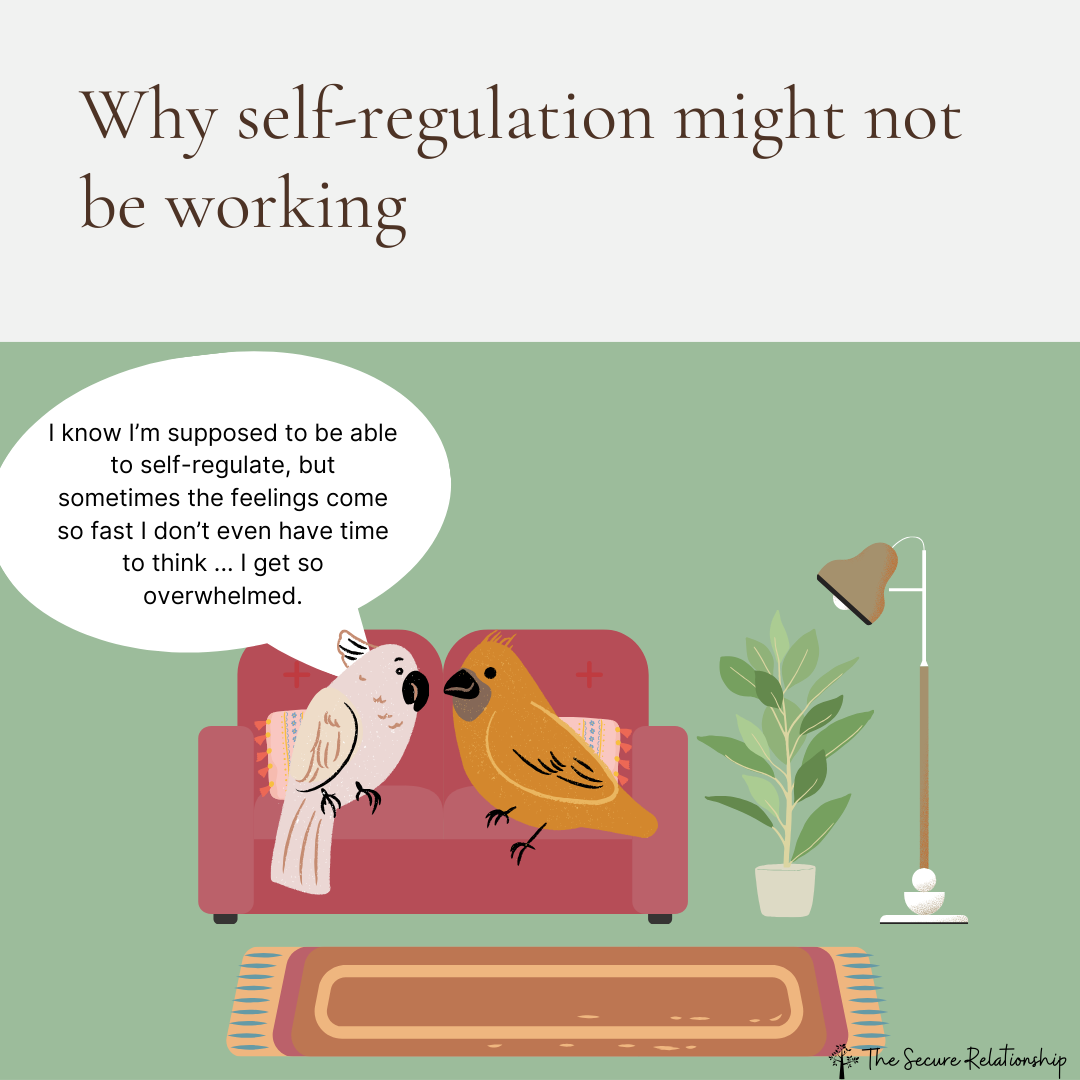
Why self regulation might not be working
Discover why self regulation might feel out of reach, the barriers that hinder it, and actionable steps to build emotional resilience and connection.